Starting to learn coding can feel intimidating. Many people want to change careers, improve their digital skills, or simply understand how technology works—but don’t know where to begin. The internet is full of tutorials and courses, yet most beginners struggle to find a clear path. This guide simplifies the process, helping you start from zero using reliable USA-based resources that anyone can access.
Why Learning to Code Seems Hard
The main reason people find coding difficult is the lack of structure. Beginners often jump between different programming languages or try to learn too many concepts at once. Without understanding the basics or following a clear plan, it’s easy to get confused. Another challenge is the technical jargon used in many tutorials. If you don’t come from a tech background, words like “syntax,” “variables,” or “functions” can sound like another language. The good news is, coding can be learned step by step—just like learning to read or cook—if you use the right approach.
 Creating Accessible Learning Pathways for Students with Disabilities
Step 1: Choose One Programming Language to Start With
The first step is to pick one beginner-friendly language. For most new learners, Python is a great choice. It’s simple, readable, and widely used in areas like data analysis, web development, and automation. If you’re interested in building websites, JavaScript is another good starting point. Avoid trying to learn multiple languages at once—focus on one until you understand the basics.
Example: If you live in the U.S. and want to start with Python, websites like Codecademy, freeCodeCamp, and Khan Academy offer free lessons designed for beginners.
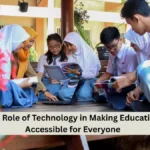 The Role of Technology in Making Education Accessible for Everyone
Step 2: Understand How Computers Think
Before writing complex programs, it’s helpful to understand how computers process information. Learn the basics of how code tells a computer what to do. Concepts like variables, loops, and conditionals are the building blocks of every program. Taking time to understand these core ideas will make future learning easier.
You can practice using simple coding exercises on sites like W3Schools or Replit. These platforms let you write and test code directly in your browser without installing any software.
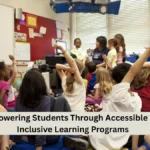 Empowering Students Through Accessible and Inclusive Learning Programs
Step 3: Follow a Structured Learning Plan
Random tutorials might help you solve small problems, but following a structured plan helps you build lasting skills. Start with small daily goals, like learning one concept each day. For example, spend a week learning about variables, then move to loops the next week.
Many U.S. community colleges and public libraries also offer free or low-cost beginner coding workshops. Platforms like edX and Coursera have beginner courses from American universities, including Harvard and MIT, that let you learn at your own pace.
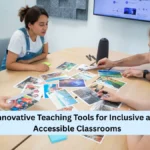 Innovative Teaching Tools for Inclusive and Accessible Classrooms
Step 4: Practice by Building Small Projects
Once you understand the basics, start applying what you’ve learned. Building small projects helps you remember concepts better. Try simple ideas like a calculator app, a to-do list, or a basic personal website.
Example: If you live in the U.S. and want to practice front-end web development, you can use free hosting tools like GitHub Pages to publish your first website. Seeing your work online builds confidence and keeps you motivated to continue.
 Accessibility in Education: Bridging the Gap Between Policy and Practice
Step 5: Join Online and Local Coding Communities
Learning alone can be challenging. Joining a community keeps you motivated and helps you learn faster. There are many online forums and local coding meetups across the U.S. where beginners can ask questions and share projects.
You can explore U.S.-based groups on Meetup.com or join beginner-friendly subreddits like r/learnprogramming. Local public libraries or tech hubs often host free coding clubs where you can meet others learning the same skills.
Step 6: Be Consistent and Patient
Coding is like learning a new language—it takes time and practice. The key is consistency. Spending just 20–30 minutes a day practicing can make a big difference over a few months. You don’t need to memorize everything. Instead, focus on understanding how to solve problems logically.
Avoid comparing your progress with others. Every learner moves at their own pace. Remember, many professional developers started from scratch too.
Helpful Tips and Common Mistakes to Avoid
1. Don’t rush to learn advanced topics. Stick to the basics until you’re comfortable writing simple programs.
2. Avoid switching between languages too early. Mastering one builds a strong foundation.
3. Practice more than you read. Coding is a hands-on skill. The more you type and test, the faster you learn.
4. Use real-world examples. Try writing small scripts to solve problems you face daily, such as organizing files or tracking expenses.
5. Don’t be afraid of making mistakes. Every error message is an opportunity to understand the language better.
Step 7: Explore Free USA-Based Learning Resources
Here are some reliable, beginner-friendly places to start:
- freeCodeCamp: Offers interactive lessons and full certifications for web development.
- Khan Academy: Ideal for kids and adults who prefer video-based learning.
- MIT OpenCourseWare: Free university-level computer science courses.
- Code.org: Great for complete beginners and educators.
- Local Libraries: Many U.S. libraries partner with coding bootcamps or offer online learning through platforms like Gale Courses.
These resources are trusted, free, and suitable for all age groups.
FAQs
Q1: How long does it take to learn coding from scratch?
Most beginners can grasp basic programming concepts in two to three months with regular daily practice. Becoming proficient enough to build full projects may take six months to a year.
Q2: Do I need a computer science degree to learn coding?
No. Many successful programmers are self-taught. A computer and access to online resources are enough to begin.
Q3: Can seniors or older adults learn coding?
Absolutely. Coding is about logic, not age. Many U.S. community programs offer beginner-friendly workshops for older learners.
Q4: What’s the best language to start with for beginners?
Python is often recommended for its simplicity. If you’re interested in building websites, JavaScript is also a great choice.
Conclusion: Taking the First Step Matters Most
Learning coding from scratch may seem challenging, but it’s entirely achievable with the right mindset and structure. Start small, practice consistently, and make use of free resources available across the U.S. Every programmer begins as a beginner, and the most important step is simply to start. Over time, you’ll not only understand how technology works but also gain a valuable skill that opens countless opportunities.
✨ You May Also Like ✨