Education is often seen as the great equalizer, a force capable of transforming lives and societies. Yet, for millions of learners across the world, barriers such as disability, geography, and economic hardship still stand between them and quality education. The arrival of advanced technology is steadily changing this reality, making learning more inclusive, adaptive, and accessible than ever before.
From artificial intelligence-driven learning tools to assistive devices that empower students with disabilities, the digital revolution is bridging the educational gap. Understanding how technology promotes accessibility in education is not only crucial for policymakers and teachers but also for families and communities striving to create equal opportunities for all learners.
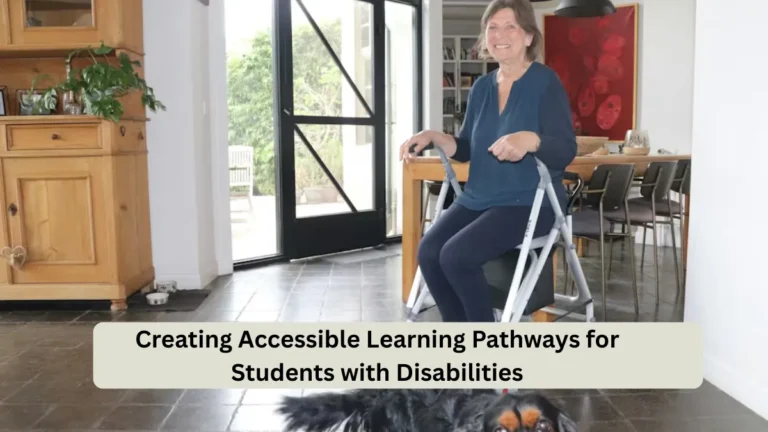
 Creating Accessible Learning Pathways for Students with Disabilities
The Evolution of Accessibility in Education
In the past, accessibility in education was largely limited to physical adaptations such as ramps, Braille books, or sign language interpreters. While these interventions were vital, they often failed to meet the diverse learning needs of all students. The introduction of digital learning tools expanded the scope of accessibility far beyond traditional boundaries. Today, students can access lessons through screen readers, speech-to-text software, and interactive online platforms designed for varied learning styles. These innovations have transformed education from a one-size-fits-all model into a flexible system that recognizes and supports individual differences.
Technology has democratized access by reducing dependence on physical location. Rural students can now attend virtual classrooms with teachers in urban centers. Learners who once faced mobility or health challenges can study remotely without sacrificing quality. As technology continues to evolve, accessibility is becoming not just a privilege for a few but a foundational aspect of modern education systems worldwide.
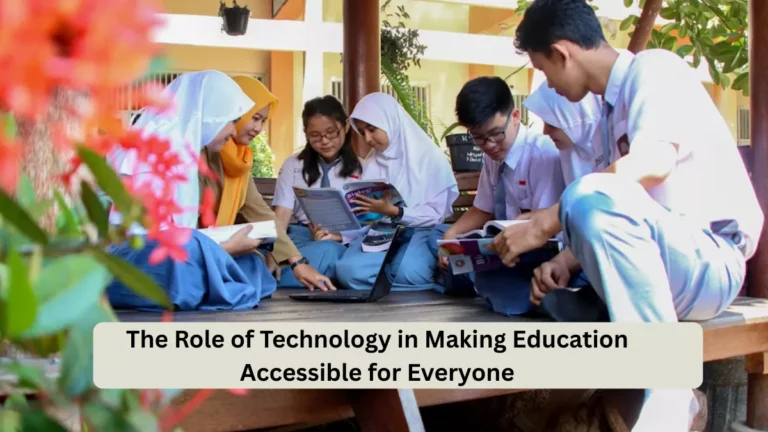
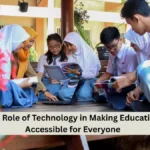 The Role of Technology in Making Education Accessible for Everyone
The Role of Digital Tools in Inclusive Learning
Digital tools have emerged as powerful enablers of inclusive education. For visually impaired students, screen readers and Braille display devices allow seamless access to digital content. Speech recognition software assists students with mobility limitations or writing difficulties in expressing their thoughts efficiently. Hearing-impaired learners benefit from captioned videos and real-time transcription services that ensure they do not miss critical classroom discussions.
Artificial Intelligence (AI) has taken inclusivity even further. AI-powered platforms can adapt lessons to each student’s pace and comprehension level, offering personalized feedback and guidance. This tailored approach ensures that no learner is left behind, especially those who may need additional support. Virtual reality (VR) and augmented reality (AR) tools are also helping students with special needs experience interactive simulations that improve understanding of complex subjects. Such technologies do not merely assist learners—they empower them to participate actively and confidently in the educational process.
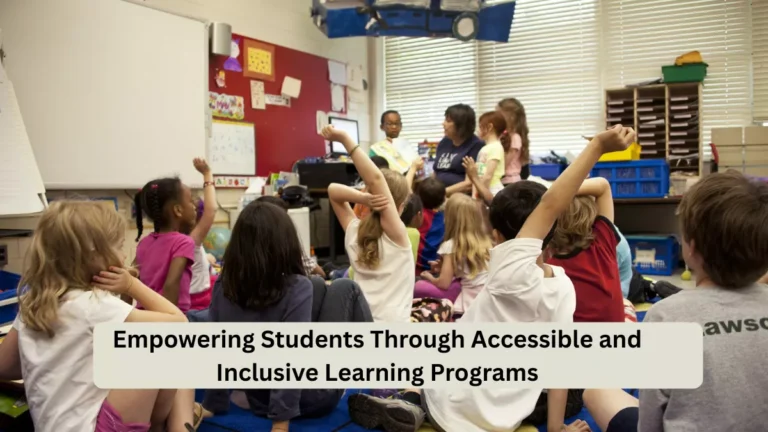
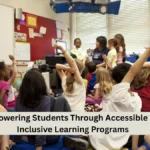 Empowering Students Through Accessible and Inclusive Learning Programs
Bridging the Digital Divide
While technology is a powerful equalizer, unequal access remains a pressing challenge. Many students, especially in low-income or rural areas, still lack reliable internet connections or devices. This digital divide can reinforce the very inequalities that technology aims to solve. Governments and educational institutions are now taking proactive steps to close this gap.
Initiatives like low-cost tablet programs, digital literacy campaigns, and community Wi-Fi projects are being implemented globally to ensure every learner has a fair chance. Schools are partnering with technology companies to distribute affordable devices and train teachers in digital instruction methods. The aim is not only to provide tools but to create sustainable ecosystems where technology enhances long-term learning outcomes.
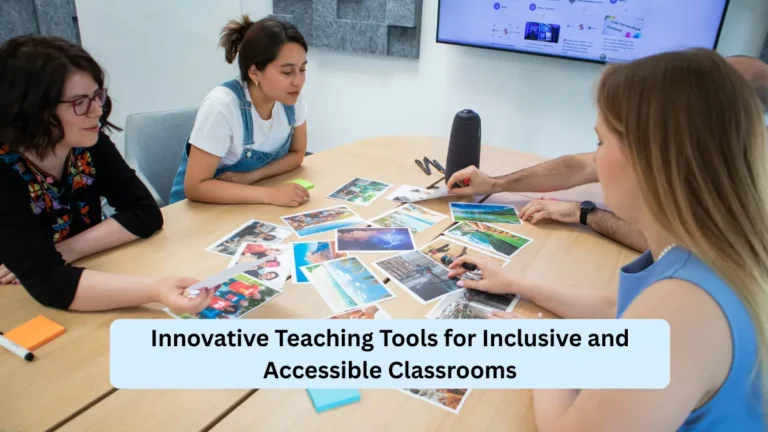
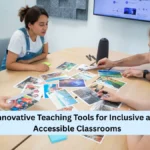 Innovative Teaching Tools for Inclusive and Accessible Classrooms
Bridging the digital divide also means designing technology that is user-friendly and accessible for learners of all abilities. Software developers and educators are working together to ensure that educational applications comply with accessibility standards, providing consistent usability across different languages, reading levels, and cognitive abilities.
Empowering Teachers through Technology
Teachers play a central role in ensuring that technology truly benefits all learners. However, many educators initially struggle to integrate digital tools effectively into their teaching methods. Continuous professional development and digital literacy training are crucial in helping teachers make the most of educational technologies.
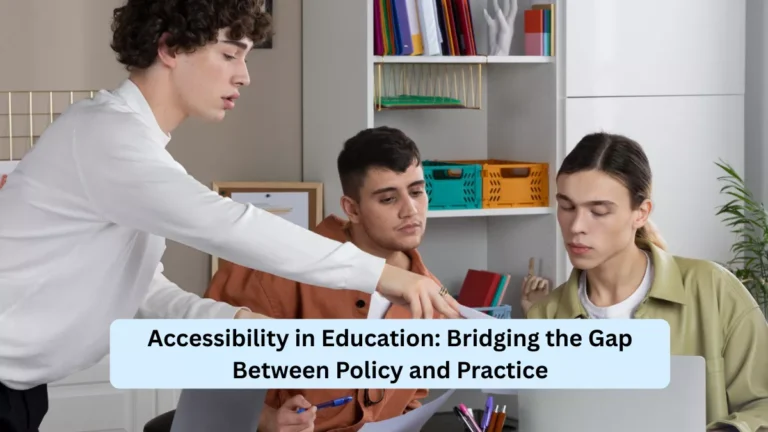
 Accessibility in Education: Bridging the Gap Between Policy and Practice
Online learning platforms now offer free training modules for teachers to understand inclusive design principles, accessibility guidelines, and adaptive learning strategies. By mastering these tools, teachers can create lesson plans that cater to diverse learners without compromising quality. Technology also helps educators monitor student progress more accurately. Learning management systems (LMS) and data analytics tools enable teachers to identify struggling students early and provide timely interventions.
More importantly, technology allows teachers to collaborate beyond geographical borders. Educators from different countries can share teaching resources, exchange ideas, and collectively develop innovative approaches to accessibility. This global collaboration ensures that best practices in inclusive education continue to evolve dynamically.
The Impact on Students with Disabilities
Perhaps the most transformative impact of technology has been on students with disabilities. Previously, many of these students were excluded from mainstream education due to lack of resources and infrastructure. Today, technology has made it possible for them to learn alongside their peers with dignity and independence.
For instance, visually impaired students use screen magnifiers and text-to-speech programs to navigate online materials. Students with autism spectrum disorders benefit from apps that teach communication and social interaction skills in structured, low-stress environments. Even students with attention disorders find support in gamified learning platforms that make education engaging and rewarding.
These advancements not only improve academic outcomes but also enhance emotional well-being. When students can participate fully, they gain confidence and motivation to pursue higher education and careers. Inclusion, powered by technology, becomes a catalyst for lifelong empowerment.
The Role of Artificial Intelligence and Data
Artificial Intelligence and data analytics are redefining accessibility in profound ways. AI-driven systems can analyze how students engage with content, identify learning barriers, and automatically adjust teaching methods to suit individual needs. For example, adaptive learning platforms can detect when a student struggles with a concept and instantly provide simplified explanations or alternative materials.
Data analytics helps educators understand trends in student performance, attendance, and engagement. This data-driven insight allows institutions to allocate resources effectively and design interventions for vulnerable learners. However, responsible use of data is essential. Schools must ensure privacy, security, and ethical handling of student information to maintain trust and integrity in the educational process.
Overcoming Challenges and Ensuring Equity
While the benefits of technology in accessibility are undeniable, the journey is not without challenges. One key issue is ensuring that technology does not create new forms of exclusion. Some students may have access to devices but lack digital literacy to use them effectively. Others may face language barriers that limit engagement with online materials.
To overcome these challenges, education systems must adopt inclusive design principles from the outset. This means considering all types of learners during the development of educational technologies, not as an afterthought. Schools must also foster environments where both students and parents receive guidance on digital usage, safety, and ethics.
Equity in education is not merely about providing access to technology but ensuring that every learner can benefit meaningfully from it. Policymakers, developers, and educators must continue working together to create sustainable, inclusive systems that support continuous improvement and innovation.
The Future of Accessible Education
The future of accessible education is one where technology and humanity work hand in hand. Innovations such as AI tutors, virtual classrooms, and smart learning environments are expected to redefine traditional learning structures. Emerging trends like blockchain for educational records and 5G networks will further expand global access to quality education.
However, the true promise of technology lies not in the tools themselves but in how society uses them to foster inclusion. When accessibility becomes a core value rather than a feature, education systems can truly transform lives. The goal is not only to bridge the digital gap but to eliminate it entirely, ensuring that every learner—regardless of ability, background, or location—has the opportunity to thrive.
Conclusion
Technology has emerged as one of the most powerful forces for educational inclusion in the 21st century. By promoting accessibility, it breaks down barriers that once limited learners with disabilities, those from remote regions, or those facing economic disadvantages. Through innovative tools, data-driven insights, and inclusive design, technology is transforming classrooms into spaces where every student can succeed.
As educators, policymakers, and innovators continue to collaborate, the focus must remain on equitable access and ethical use of technology. The journey toward universal accessibility in education is ongoing, but the progress made thus far proves that when humanity and innovation unite, the dream of equal learning opportunities becomes a tangible reality.
FAQs
How does technology improve accessibility in education?
Technology enhances accessibility through tools like screen readers, captions, and adaptive learning software.
What are examples of assistive technologies for students with disabilities?
Screen readers, speech-to-text programs, and Braille displays help students learn effectively.
How does AI contribute to inclusive education?
AI personalizes lessons by analyzing learning patterns and adapting content to each student’s needs.
What challenges exist in implementing accessible technology?
Limited internet access, lack of devices, and low digital literacy hinder accessibility efforts.
What is the future of accessibility in education?
Future trends include AI tutors, VR classrooms, and inclusive digital ecosystems for all learners.
✨ You May Also Like ✨