Education has always been about connecting with students in meaningful ways. Yet, traditional teaching methods often fall short in addressing the diverse learning needs of every student. In modern classrooms, inclusivity and accessibility are no longer optional—they are essential. Innovative teaching tools are transforming the way educators engage learners, ensuring every student can participate fully, regardless of ability, background, or learning style.
From interactive technologies to adaptive learning solutions, these tools empower teachers to create environments where every student can thrive. This article explores the most effective and innovative teaching tools designed for inclusive and accessible classrooms, offering practical strategies and real-world applications for educators.
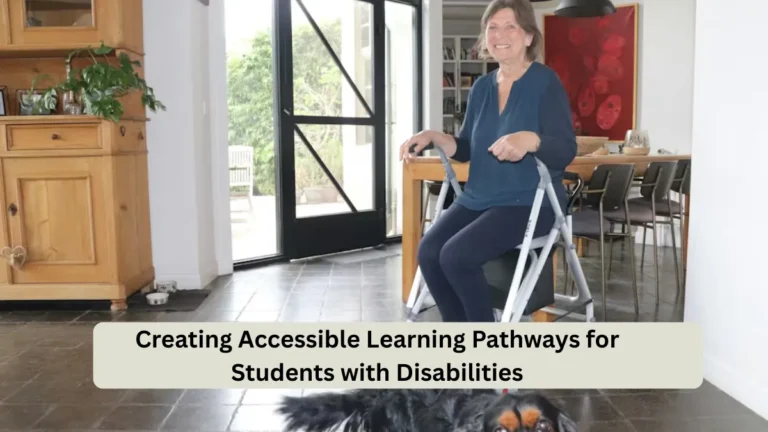
 Creating Accessible Learning Pathways for Students with Disabilities
Understanding Inclusivity and Accessibility in Education
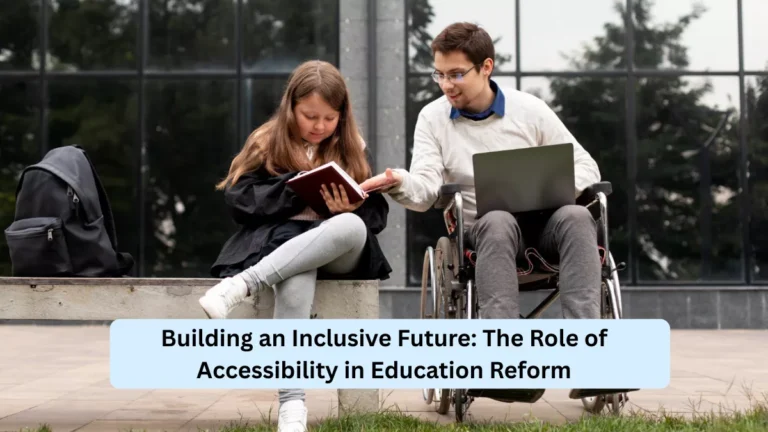
Inclusive education is about creating an environment where all students feel valued and supported. It involves acknowledging differences in abilities, cultural backgrounds, language skills, and learning styles. Accessibility, on the other hand, ensures that learning materials and activities are designed so that students with disabilities or learning challenges can engage fully with the curriculum. When classrooms are inclusive and accessible, students not only perform better academically but also develop social-emotional skills, empathy, and confidence.
Teachers face the challenge of addressing diverse needs without overwhelming themselves or the classroom structure. This is where innovative teaching tools come into play. By leveraging technology and evidence-based practices, educators can bridge gaps in learning, provide personalized support, and foster active participation from all students.
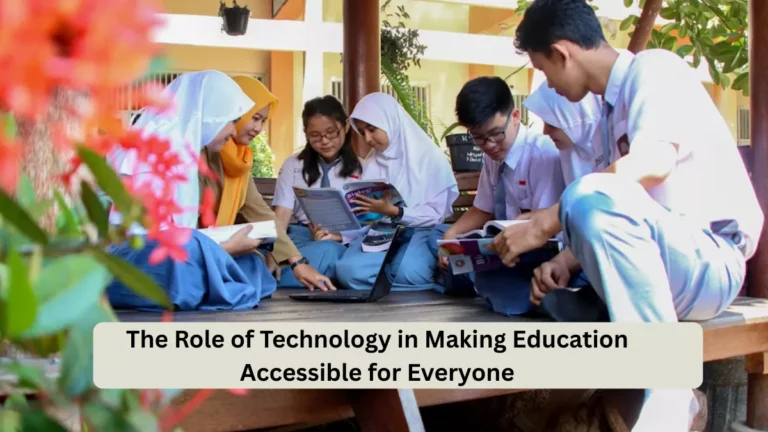
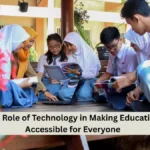 The Role of Technology in Making Education Accessible for Everyone
Digital Tools for Personalized Learning
One of the most significant advances in education technology is the use of digital tools to personalize learning experiences. Adaptive learning platforms analyze students’ progress in real-time and adjust lessons to meet their specific needs. These systems identify strengths and weaknesses, allowing students to move at their own pace and teachers to focus on targeted interventions.
For instance, platforms that use artificial intelligence to track student performance can highlight areas where learners struggle and provide additional practice or alternative explanations. This approach benefits students with learning disabilities by offering multiple ways to grasp concepts without feeling singled out. Furthermore, gamified learning apps make lessons engaging, motivating students who might otherwise disengage due to frustration or boredom.
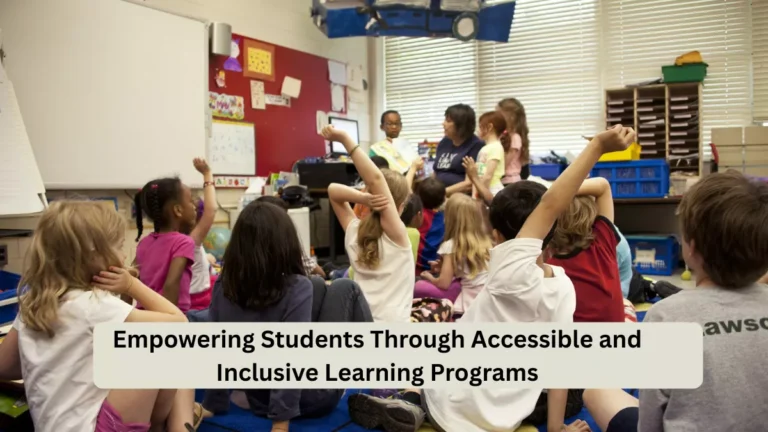
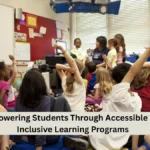 Empowering Students Through Accessible and Inclusive Learning Programs
Beyond AI-driven platforms, digital storytelling tools allow students to demonstrate understanding in creative ways. Students with communication difficulties can use multimedia projects, videos, or voice recordings to express ideas, giving them a sense of achievement and participation in class activities.
Assistive Technologies for Accessibility
Assistive technology is crucial for supporting students with physical, sensory, or cognitive challenges. Tools such as screen readers, speech-to-text software, and alternative keyboards ensure that students with disabilities can access learning materials efficiently. For students with vision impairments, text-to-speech applications allow them to follow along with written content, while braille displays can convert digital text into tactile information.
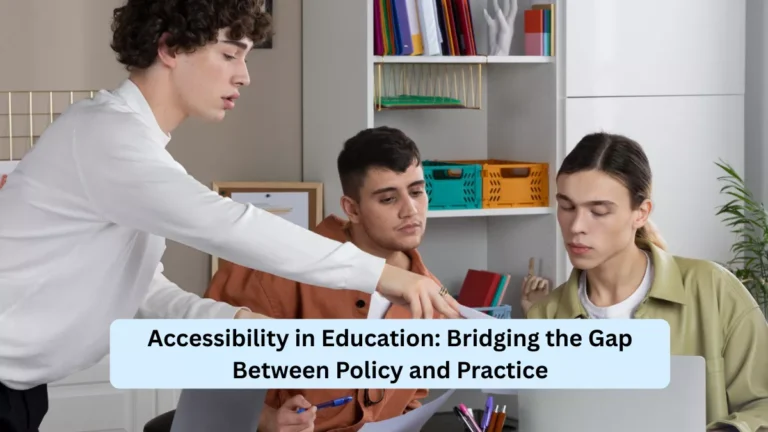
 Accessibility in Education: Bridging the Gap Between Policy and Practice
Hearing-impaired students benefit from captioned videos, real-time transcription apps, and visual notification systems, ensuring they never miss important instructions or discussions. For students with motor difficulties, switch-adapted devices and eye-tracking technology can provide alternative ways to participate in classroom activities, including quizzes, interactive games, or virtual labs.
Implementing assistive technologies also fosters independence, enabling students to complete tasks on their own rather than relying entirely on teacher support. When used consistently, these tools not only improve academic outcomes but also enhance students’ confidence and engagement.
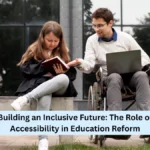 Building an Inclusive Future: The Role of Accessibility in Education Reform
Collaborative Learning Platforms
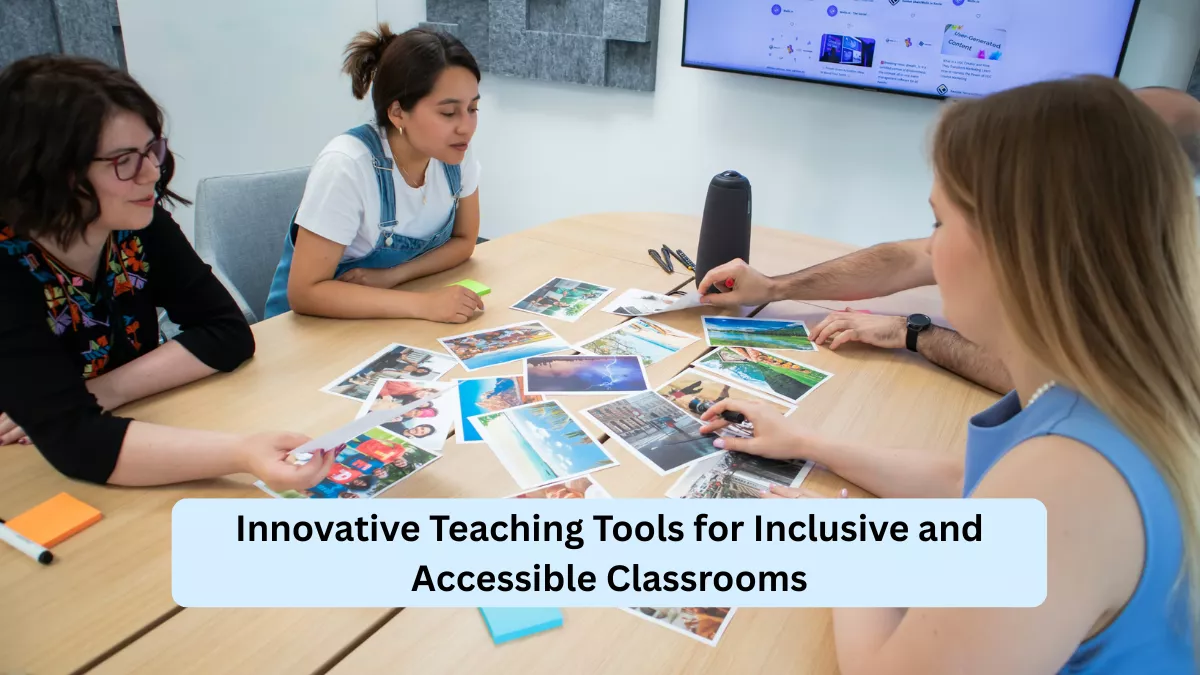
Collaboration is a critical component of modern education, promoting social skills, critical thinking, and creativity. Online collaborative platforms and cloud-based tools allow students to work together, share ideas, and provide peer feedback, regardless of their physical location or learning abilities.
For inclusive classrooms, these platforms offer features such as adjustable text sizes, color-coded highlights, and annotation tools that accommodate different learning preferences. Group projects can be structured so that each student contributes according to their strengths, allowing students with language or learning challenges to participate meaningfully. Teachers can monitor progress, provide individualized guidance, and ensure equitable participation.
Additionally, collaborative platforms encourage students to take ownership of their learning while developing communication and teamwork skills. These tools can be particularly effective for students who might feel isolated in traditional classroom settings, creating a sense of belonging and inclusion.
Interactive Whiteboards and Multi-Sensory Learning
Interactive whiteboards are no longer limited to simple projection displays. Modern boards allow teachers to integrate multimedia content, interactive simulations, and real-time feedback into lessons. Students can engage through touch, gesture, or digital pens, making learning more hands-on and accessible.
Multi-sensory learning approaches combine visual, auditory, and kinesthetic methods to enhance comprehension and retention. For example, a science lesson on plant growth can include videos, interactive simulations, and hands-on experiments, catering to students who learn best through seeing, hearing, or doing. This approach benefits students with attention difficulties or learning disabilities by presenting information in multiple formats.
In inclusive classrooms, interactive whiteboards and multi-sensory strategies help ensure that no student is left behind. Teachers can quickly adapt lessons to different learning preferences, making the classroom a dynamic and flexible space.
Virtual and Augmented Reality in Education
Virtual reality (VR) and augmented reality (AR) are revolutionizing experiential learning. VR allows students to immerse themselves in environments that would otherwise be inaccessible, such as historical sites, outer space, or microscopic worlds. AR overlays digital content onto real-world objects, enhancing understanding of complex concepts.
These technologies are particularly valuable for students with mobility or sensory challenges. A student who cannot participate in a physical field trip can experience the same educational benefits through VR. Similarly, AR can provide visual or auditory cues for students who struggle with abstract concepts, improving comprehension and engagement.
Implementing VR and AR in inclusive classrooms also supports differentiation. Students can explore topics at their own pace, revisit challenging content, and access multiple representations of the same material, ensuring everyone can grasp key ideas.
Data-Driven Instruction and Assessment Tools
Effective inclusive teaching relies on understanding each student’s progress and challenges. Data-driven tools provide teachers with actionable insights to personalize instruction and monitor growth. Learning management systems (LMS) and assessment platforms can track performance, identify gaps, and highlight trends over time.
For example, analytics from digital quizzes can reveal which concepts are consistently difficult for certain students, enabling teachers to adjust lesson plans or provide targeted interventions. Formative assessment tools, such as real-time polls, quizzes, and feedback forms, allow teachers to respond quickly to student needs, ensuring that no learner is left behind.
Data-driven approaches also support transparency and communication with parents and support staff, fostering collaboration and a shared commitment to student success.
Professional Development and Teacher Support Tools
Even the most innovative teaching tools are only effective if educators are equipped to use them. Professional development platforms and online communities provide teachers with training, resources, and support for implementing inclusive practices.
Workshops, webinars, and peer networks help teachers stay informed about emerging technologies, evidence-based strategies, and accessibility standards. For example, teachers can learn how to integrate assistive technology into lessons, design multi-sensory activities, or utilize data analytics to personalize learning. Continuous professional growth ensures that inclusive classrooms are sustainable and adaptive to evolving student needs.
Supporting teachers is just as important as supporting students. Tools that reduce administrative burden, streamline lesson planning, and facilitate collaboration allow educators to focus on what matters most: student learning and engagement.
Practical Implementation Strategies
Integrating innovative teaching tools into inclusive classrooms requires thoughtful planning. Start by assessing the specific needs of your students, including learning styles, disabilities, language skills, and cultural backgrounds. Choose tools that are flexible, scalable, and easy to use for both teachers and students.
Begin with small pilots, introducing one or two technologies at a time, and gather feedback from students and staff. Ensure accessibility by providing multiple entry points for participation and incorporating alternative formats. Encourage collaboration among educators to share insights, troubleshoot challenges, and celebrate successes.
Finally, measure the impact of these tools through both quantitative and qualitative assessments, ensuring that technology enhances learning without becoming a distraction or barrier.
Conclusion
Inclusive and accessible classrooms are not just a goal—they are a necessity in today’s diverse educational landscape. Innovative teaching tools, ranging from adaptive learning platforms to assistive technology, interactive whiteboards, and VR experiences, empower teachers to meet the unique needs of every student. By leveraging these tools thoughtfully, educators can foster engagement, independence, and academic growth, ensuring that no learner is left behind.
The key to success lies in combining technology with evidence-based strategies, professional development, and continuous assessment. When applied effectively, innovative teaching tools transform classrooms into environments where all students can thrive, participate fully, and feel valued. Educators who embrace inclusivity and accessibility are not only improving academic outcomes—they are shaping a more equitable and compassionate future for all learners.
FAQs
What are inclusive classrooms?
Inclusive classrooms are learning environments where all students, regardless of ability, feel valued and supported.
How do digital tools support personalized learning?
Digital tools adjust lessons to individual needs, helping students progress at their own pace and reinforcing difficult concepts.
What is assistive technology in education?
Assistive technology includes tools like screen readers, speech-to-text, and adapted keyboards for students with disabilities.
How can VR and AR improve learning?
VR immerses students in experiences while AR overlays digital content, enhancing comprehension and engagement for all learners.
Why is teacher training important for accessibility?
Professional development equips teachers with skills to use inclusive tools effectively, ensuring every student can participate fully.
✨ You May Also Like ✨