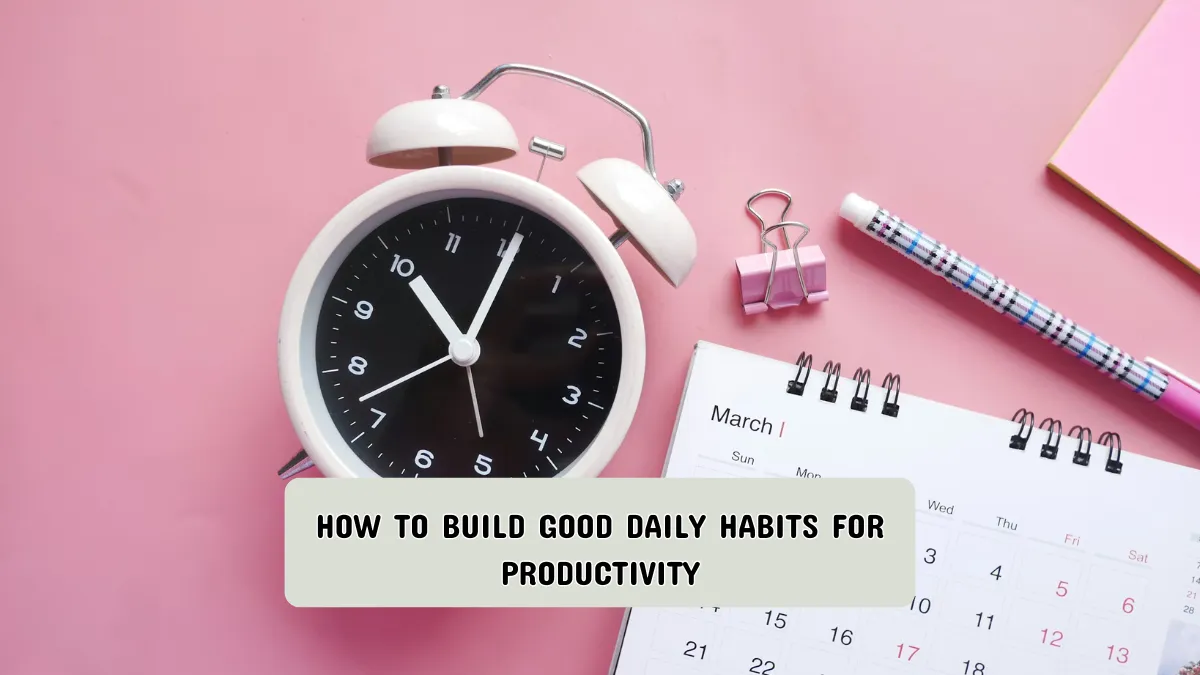
Many people struggle to stay productive every day. Tasks pile up, distractions interfere, and energy dips can make it hard to focus. Building good daily habits is one of the most effective ways to improve focus, manage time, and get more done without feeling overwhelmed.
Why We Struggle to Build Daily Habits
Poor productivity often happens because we rely on motivation alone. Motivation can fluctuate, but habits are consistent. Other reasons include unclear goals, trying to change too much at once, and lack of structure in daily routines. Without small, manageable steps, it’s easy to fall back into old patterns.
 Creating Accessible Learning Pathways for Students with Disabilities
Step 1: Start Small and Specific
Trying to overhaul your entire day at once can backfire. Instead, focus on one habit at a time. For example, rather than saying, “I will exercise more,” try “I will walk for 15 minutes after lunch.” Specific and measurable habits are easier to track and maintain.
Example
- Instead of: “Eat healthier,” say: “Add one fruit to breakfast every morning.”
- Instead of: “Be more productive,” say: “Write a to-do list before starting work each morning.”
Step 2: Link Habits to Existing Routines
One effective method is habit stacking—linking a new habit to something you already do regularly. This creates a natural cue that reminds you to follow through.
 The Role of Technology in Making Education Accessible for Everyone
Example
- After brushing your teeth, spend two minutes journaling.
- While your coffee brews, plan your top three tasks for the day.
Step 3: Use Reminders and Visual Cues
It’s easy to forget new habits, especially at first. Simple reminders can help you stay on track. Sticky notes, phone alarms, or a visible calendar can reinforce your daily habits.
Example
- Place a water bottle on your desk to remind yourself to hydrate.
- Keep your workout shoes by the door as a prompt to exercise.
Step 4: Track Progress and Celebrate Small Wins
Tracking your habits provides motivation and insight. Mark off days you successfully complete a habit, even if it’s small. This builds momentum and encourages consistency without pressure.
 Empowering Students Through Accessible and Inclusive Learning Programs
Example
- Use a simple paper calendar to mark each day you complete your habit.
- Use a habit-tracking app to visualize streaks and improvements.
Step 5: Adjust and Be Flexible
Habits may need fine-tuning. Life changes, schedules shift, and energy levels vary. Flexibility ensures you don’t get discouraged when challenges arise.
Example
- If your morning routine is interrupted, move your 10-minute meditation to the evening.
- Replace a skipped habit with a shorter or simpler version rather than skipping entirely.
Helpful Tips to Stay Consistent
- Focus on one habit at a time until it feels natural.
- Pair habits with enjoyment whenever possible. For instance, listen to a favorite podcast while exercising.
- Be patient—habits take weeks to fully develop.
Common Mistakes to Avoid
- Trying to change too many habits at once.
- Setting vague goals instead of clear, measurable ones.
- Relying solely on motivation without building routines.
- Punishing yourself for missed days; consistency is about progress, not perfection.
FAQs
Q1: How long does it take to form a new habit?
Most habits take 3–8 weeks to become automatic, depending on complexity and personal consistency. Start small and gradually build on them.
 Innovative Teaching Tools for Inclusive and Accessible Classrooms
Q2: What if I miss a day?
Missing one day is normal. Focus on getting back on track the next day rather than giving up entirely.
Q3: Can habits improve work-life balance?
Yes. Daily habits like planning tasks, scheduling breaks, and setting boundaries help manage time and reduce stress.
 Accessibility in Education: Bridging the Gap Between Policy and Practice
Q4: How can I stay motivated to maintain habits?
Tracking progress, celebrating small wins, and linking habits to enjoyable activities can maintain motivation over time.
Conclusion
Building good daily habits is not about perfection—it’s about consistency and small steps. By starting small, linking habits to existing routines, using reminders, tracking progress, and staying flexible, anyone can create routines that boost productivity and well-being. Focus on progress, be patient, and over time, these habits will become a natural part of your daily life.
✨ You May Also Like ✨