Imagine a classroom where every student—regardless of physical ability, learning difference, or background—has equal access to the tools they need to learn and succeed. This vision of inclusive learning is no longer a distant dream but an essential part of modern education systems worldwide. Accessible education ensures that no learner is left behind by removing barriers that prevent students from engaging fully in their studies.
In 2026, as digital transformation continues to reshape learning environments, accessibility has become a cornerstone of educational progress. It affects how students learn, how teachers teach, and how schools measure success. Beyond academic performance, accessibility builds confidence, fosters inclusivity, and enhances lifelong learning potential. This article explores the deep impact of accessible education on student achievement and confidence, drawing insights from real-world examples and proven educational practices.
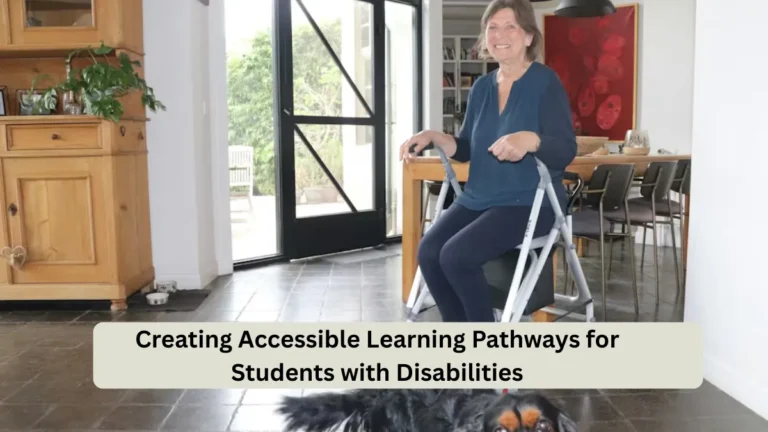
 Creating Accessible Learning Pathways for Students with Disabilities
Understanding Accessible Education
Accessible education refers to designing learning experiences that accommodate every student’s needs. This includes students with disabilities, language barriers, socioeconomic disadvantages, or learning differences. Accessibility means that materials, environments, and technologies are structured so that every learner can participate equally and effectively.
It’s not limited to physical spaces, such as ramps or elevators, but extends to digital learning platforms, classroom communication, and assessment methods. For example, captioned videos assist hearing-impaired students, while adaptive software supports those with dyslexia or visual impairments. The aim is to create an equitable environment where students can demonstrate their knowledge and abilities without being hindered by barriers outside their control.
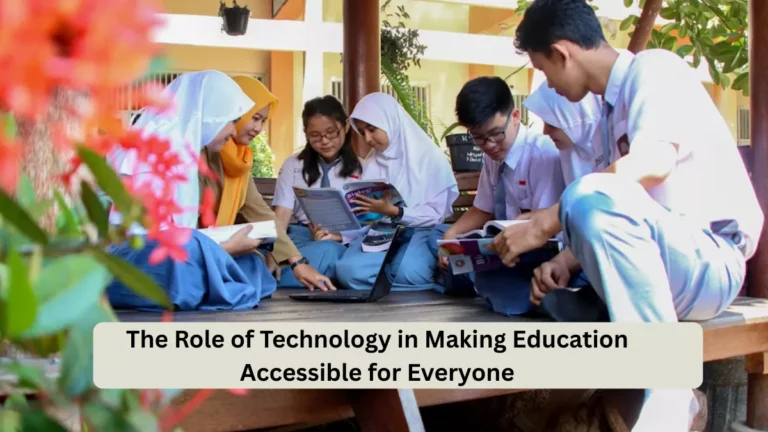
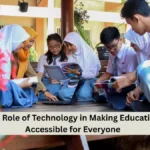 The Role of Technology in Making Education Accessible for Everyone
Why Accessibility in Education Matters Today
The significance of accessible education extends far beyond compliance with inclusion policies. It is about equity—giving every student the chance to thrive based on their effort and ability, not their limitations. When education is accessible, it builds the foundation for a fair society where knowledge is truly a universal right.
In the post-pandemic world, hybrid learning and digital tools have made accessibility even more relevant. Students rely on online content, interactive modules, and virtual classrooms that must cater to diverse needs. Schools that invest in accessibility see improvements in student engagement, retention rates, and emotional well-being.
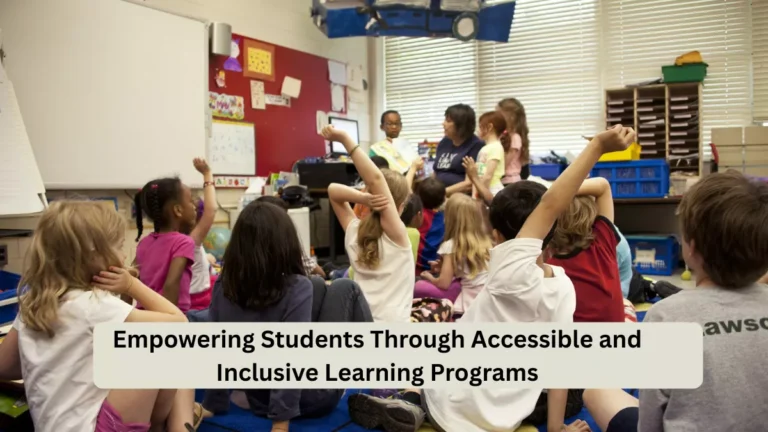
 Empowering Students Through Accessible and Inclusive Learning Programs
Moreover, accessible education fosters empathy among peers. When all learners participate equally, classrooms become collaborative spaces where diversity is seen as strength, not a challenge. This inclusive mindset translates into better social interactions and prepares students to succeed in diverse workplaces later in life.
The Connection Between Accessibility and Academic Achievement
Research consistently shows that when educational systems remove barriers, academic performance improves for all students. Accessibility enhances understanding, participation, and motivation—key factors influencing achievement.
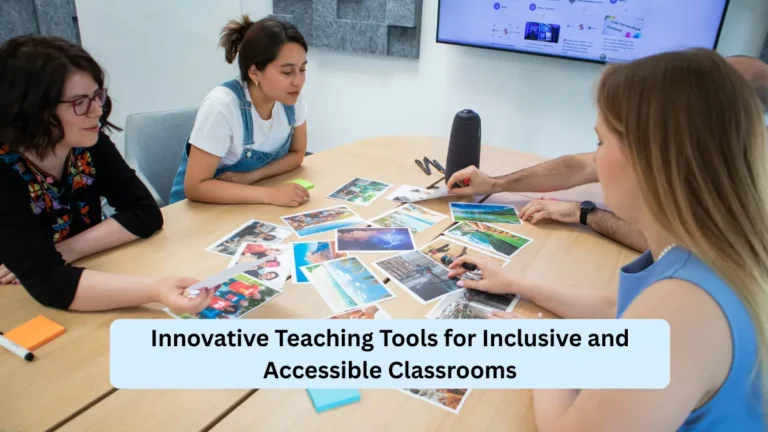
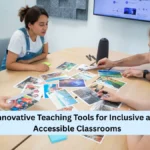 Innovative Teaching Tools for Inclusive and Accessible Classrooms
Students learn best when teaching methods match their learning styles. For instance, visual learners benefit from images and videos, while auditory learners thrive through discussions and lectures. Accessible education encourages differentiated instruction, where teachers adapt their approach to meet various learning preferences.
Accessible digital tools also support independent learning. Text-to-speech programs, enlarged text options, and customizable layouts empower students to study at their own pace. This autonomy not only improves comprehension but also deepens motivation and responsibility for learning outcomes.
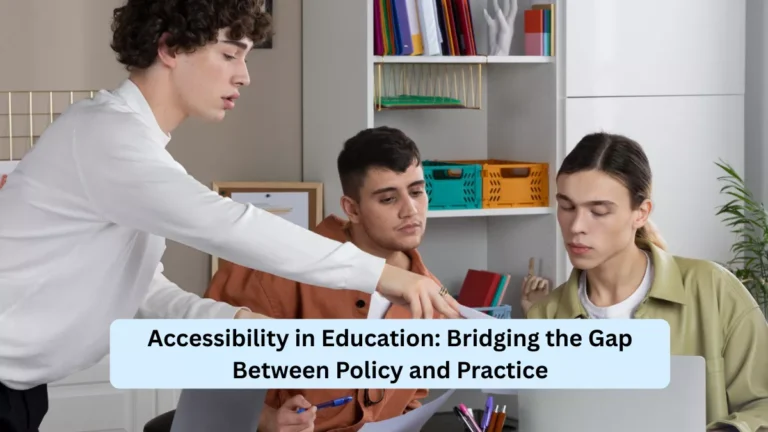
 Accessibility in Education: Bridging the Gap Between Policy and Practice
In essence, accessibility is not just a moral obligation but a proven academic strategy. Schools that prioritize it see measurable improvements in test scores, literacy rates, and graduation outcomes.
Building Confidence Through Inclusion
Confidence is one of the most powerful outcomes of accessible education. When students feel supported and included, their self-esteem grows, encouraging them to participate actively and take academic risks.
Imagine a student with visual impairment who once struggled to read printed material but now excels using screen readers. This transformation illustrates how accessibility can empower learners to focus on what they can do rather than what they cannot.
Inclusive classrooms encourage students to express themselves freely. When teachers value diverse voices, students learn to appreciate their uniqueness and that of others. This recognition strengthens mental health, reduces anxiety, and boosts confidence in academic and social contexts.
Confidence, once developed, becomes a lifelong asset. Students who believe in their abilities are more likely to pursue higher education, career opportunities, and personal goals. Accessible education, therefore, plays a critical role in shaping not just academic outcomes but entire life trajectories.
The Role of Teachers in Promoting Accessibility
Teachers are the heart of accessible education. Their awareness, empathy, and adaptability determine how effectively accessibility principles are applied in classrooms.
Educators must understand that accessibility is not about lowering standards but providing equal opportunities. This requires thoughtful planning—designing lesson materials that accommodate diverse learners and integrating technology to enhance understanding.
For example, using multiple forms of content—visual, auditory, and interactive—ensures that students grasp key concepts regardless of their learning style. Providing flexible assessment options allows students to demonstrate understanding in different ways, such as through projects, presentations, or discussions.
Ongoing professional development is essential. Teachers who receive training in inclusive pedagogy, assistive technology, and cultural competence are better equipped to address varied student needs. Their role goes beyond instruction; they serve as advocates who model empathy, patience, and innovation in learning environments.
Technology as an Enabler of Accessibility
Technology has revolutionized accessibility in education. Tools like voice recognition software, interactive whiteboards, and digital accessibility features help students learn more effectively.
For students with disabilities, assistive technologies such as screen readers, magnification software, and speech-to-text tools are invaluable. They enable independent learning and foster participation in group activities. Meanwhile, digital platforms with accessibility compliance—such as captions, alt-text, and customizable fonts—enhance inclusivity across subjects.
Online education has also expanded opportunities for students in remote or underprivileged areas. Virtual classrooms eliminate geographic barriers, providing access to quality education regardless of location or physical ability.
However, technology alone is not enough. Schools must ensure that both educators and students are trained to use these tools effectively. Accessibility should be integrated into digital design from the start, not added as an afterthought.
Overcoming Barriers to Accessible Education
While progress has been significant, several challenges still hinder full accessibility. Limited funding, outdated infrastructure, and lack of awareness remain obstacles.
Some schools struggle to afford modern assistive tools or inclusive software. Others face institutional resistance due to lack of training or misconceptions about accessibility costs. Overcoming these challenges requires collaborative action between governments, educators, and communities.
Policy reform plays a vital role. Educational institutions must adopt inclusive design standards and allocate budgets for accessibility initiatives. Moreover, continuous evaluation ensures that accessibility measures remain relevant and effective as technology evolves.
Parental involvement also helps. When parents understand accessibility principles, they can support learning at home, reinforcing classroom inclusion. Community programs and awareness campaigns can further promote acceptance and understanding.
Psychological Benefits of Accessible Learning
Accessible education does more than improve grades—it nurtures emotional well-being. Students who feel seen, heard, and valued are less likely to experience isolation or frustration.
Inclusive classrooms reduce bullying and promote empathy. When students learn side by side with peers of different abilities, they develop compassion and teamwork skills. This sense of belonging is critical for mental health, especially during adolescence.
Moreover, accessibility fosters resilience. Students who overcome challenges through adaptive tools and supportive environments build a mindset of perseverance and self-reliance. They learn to approach problems creatively—a skill that benefits them far beyond academics.
Future of Accessible Education
The future of education lies in personalization, and accessibility is at its core. As artificial intelligence and machine learning evolve, learning platforms will become even more responsive to individual needs.
For instance, AI can analyze learning patterns and recommend tailored content. Virtual reality can provide immersive experiences for students who benefit from hands-on learning but lack physical access to resources.
However, maintaining human connection remains essential. Technology should enhance, not replace, the role of teachers and personal mentorship. A balanced approach—combining innovation with empathy—will define the next generation of accessible education.
Conclusion
Accessible education is not just a policy—it is a promise to every learner that their potential matters. It improves academic outcomes, builds confidence, and creates compassionate communities that value diversity.
As schools and societies continue to evolve, accessibility must remain a guiding principle. By embracing inclusive teaching, leveraging technology, and fostering awareness, we can build a future where education truly belongs to everyone.
Accessible education empowers students not only to achieve academically but also to believe in themselves. And when confidence meets opportunity, the result is limitless human potential.
FAQs
How does accessible education help students with disabilities?
It removes barriers through inclusive tools and teaching methods, allowing all students to learn effectively and confidently.
Why is accessibility important in digital learning?
It ensures online platforms are usable by everyone, including those with disabilities, for equal participation in virtual education.
How do teachers promote accessibility in classrooms?
They design flexible lessons, use adaptive technology, and create inclusive environments that support diverse learning needs.
Does accessibility improve academic results?
Yes, accessible environments increase engagement, motivation, and understanding, leading to stronger academic performance overall.
What is the main goal of accessible education?
Its purpose is to ensure that every student, regardless of ability or background, has equal opportunity to learn and succeed.
✨ You May Also Like ✨