
The world feels smaller than ever, with news and connections crossing borders daily. Yet, stark differences in opportunities persist—some kids in rural villages lack basics like books or internet, while others in bustling cities have endless resources. This global opportunity gap holds back entire communities, limiting economic growth and shared progress.
In the United States, we see echoes of this divide even at home, from underfunded schools in Appalachia to tech hubs in Silicon Valley. Education stands out as a proven bridge. It equips people with skills, opens doors to better jobs, and fosters understanding across divides. Let’s explore why this gap exists and practical ways education can narrow it.
 Creating Accessible Learning Pathways for Students with Disabilities
Why the Global Opportunity Gap Persists
Unequal access to quality education creates a cycle that’s hard to break. In many developing regions, children miss out on schooling due to poverty, distance from schools, or family duties like farming or caregiving.
Consider a child in sub-Saharan Africa walking miles daily just to reach a classroom without desks or trained teachers. Without foundational reading and math skills, they enter adulthood at a disadvantage. UNESCO data shows over 250 million kids worldwide lack basic literacy, trapping families in low-wage cycles.
 The Role of Technology in Making Education Accessible for Everyone
Gender plays a role too. Girls in parts of South Asia often drop out early to help at home, missing chances to build careers. This isn’t just their loss—economies suffer when half the population stays sidelined.
Economic Barriers Fueling the Divide
Poverty hits hardest. Families in low-income countries prioritize survival over school fees, uniforms, or supplies. In rural India, for instance, many skip education to work odd jobs.
 Empowering Students Through Accessible and Inclusive Learning Programs
The COVID-19 pandemic widened this. School closures left millions without remote learning options—no devices or internet meant lost years. In the US, similar issues arose in low-income districts, where students without laptops fell behind.
Jobs reflect the gap. High-skill roles in tech or healthcare demand education, but without it, people settle for informal work paying pennies. The World Bank notes that each extra year of schooling boosts earnings by 10% on average, yet billions miss this boost.
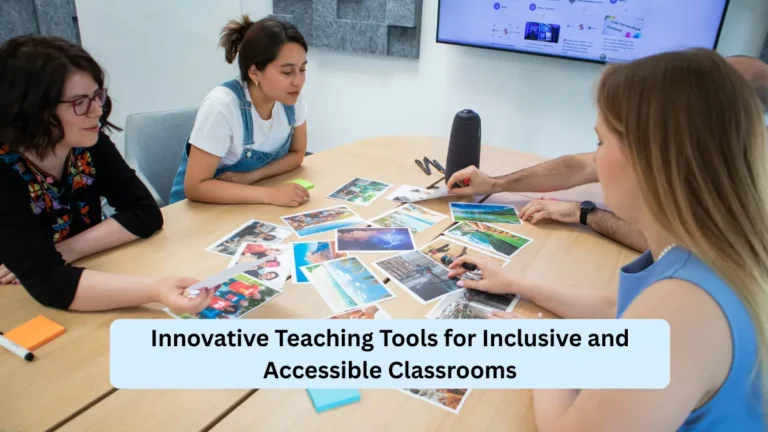
 Innovative Teaching Tools for Inclusive and Accessible Classrooms
How Education Directly Addresses the Gap
Education isn’t a quick fix, but it builds lasting change. Literate, skilled individuals innovate, start businesses, and lift communities.
Take vocational training: Programs teaching trades like solar panel installation create jobs in off-grid areas. In Kenya, such initiatives have employed thousands, reducing migration pressures.
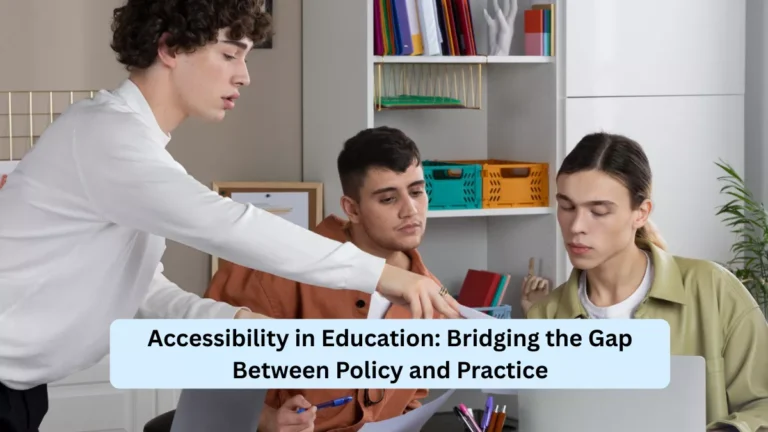
 Accessibility in Education: Bridging the Gap Between Policy and Practice
Health improves too. Educated parents vaccinate kids and practice hygiene, breaking disease cycles. Studies link maternal education to lower child mortality rates by up to 40%.
On a global scale, educated workforces drive GDP growth. Nations investing in schools see poverty drop steadily over decades.
Step-by-Step Ways to Improve Education Access Worldwide
Closing the gap requires targeted action. Here’s a practical roadmap, drawing from successful efforts in the US and abroad.
Step 1: Build Affordable Infrastructure
Start with basics—schools where none exist. Community-led builds, like those in rural Guatemala funded by local cooperatives, cut dropout rates by providing safe spaces.
In the US, programs like AmeriCorps have volunteers construct libraries in underserved areas. Replicate this globally: Partner with NGOs to erect low-cost structures using local materials. Aim for one school per 500 kids in remote zones.
Prioritize electricity and clean water. Solar panels, as seen in Indian villages, enable evening study sessions.
Step 2: Train and Retain Quality Teachers
Good teachers transform lives. Shortages plague remote areas, so invest in training locals.
Create fast-track programs: Six-month courses on child-friendly methods, like Teach For All’s model operating in 50+ countries. In the US, similar initiatives in Native American communities have boosted graduation rates.
Offer incentives—housing stipends or loan forgiveness—to keep teachers in place. Track progress with simple metrics: Student test scores rising 20% signals success.
Step 3: Integrate Technology Thoughtfully
Digital tools expand reach without massive builds. Low-cost tablets preloaded with lessons work offline, as piloted in Ethiopia reaching 5 million kids.
In US charter schools, blended learning mixes online modules with in-person guidance, helping working students. Globally, focus on solar-charged devices and free curricula in local languages.
Train users: Community tech hubs teach parents and kids basics, ensuring sustainability.
Step 4: Provide Scholarships and Support Services
Money barriers vanish with targeted aid. Need-based scholarships cover fees for top performers from poor families.
US examples like the Pell Grant system inspire global versions. In Brazil, Bolsa Família ties cash aid to school attendance, slashing dropouts.
Add nutrition: School meals keep kids alert. Pair with health checks to address issues like malnutrition early.
Step 5: Foster Global Partnerships and Monitoring
No country acts alone. US universities partner with African institutions for joint programs, sharing expertise.
Governments track via national dashboards: Enrollment rates, completion percentages, job placement post-graduation. Adjust yearly based on data.
Encourage private sector input—companies fund skills training aligned with market needs, like coding bootcamps.
Helpful Tips for Supporting Global Education Efforts
Getting involved is straightforward, whether you’re a student, professional, or retiree.
- Volunteer your skills: Teach English online via platforms connecting US tutors with global students—one hour weekly makes a difference.
- Donate strategically: Choose orgs with transparent reporting, like those audited annually. Even $20 buys books for a classroom.
- Advocate locally: Join school drives or petition for fair-trade policies that boost developing economies, indirectly funding education.
Common mistakes to avoid:
- Don’t fund one-off projects; seek sustainable models with local buy-in.
- Skip flashy tech without teacher training—it gathers dust.
- Avoid assuming Western methods fit everywhere; adapt to cultural contexts.
From my experience mentoring exchange students, small, consistent efforts yield big results. One group raised funds for laptops in a Philippine school, watching grads land call-center jobs.
FAQ
What is the global opportunity gap, exactly?
It’s the unequal access to resources like jobs, healthcare, and advancement due to birthplace or background. Education gaps widen it by limiting skills and networks.
Can one person really help close this gap through education?
Yes—individual actions like tutoring or donations add up. Collective efforts, as in US-based crowdfunding for African schools, have educated thousands.
How does education in the US connect to global issues?
US innovations, like open-source curricula, get adapted worldwide. Americans studying abroad bring back insights, strengthening cross-border programs.
What progress has been made in closing the gap recently?
Enrollment in primary schools hit 90% globally pre-pandemic, per UN reports. Vocational programs in Southeast Asia now employ millions in green jobs.
✨ You May Also Like ✨