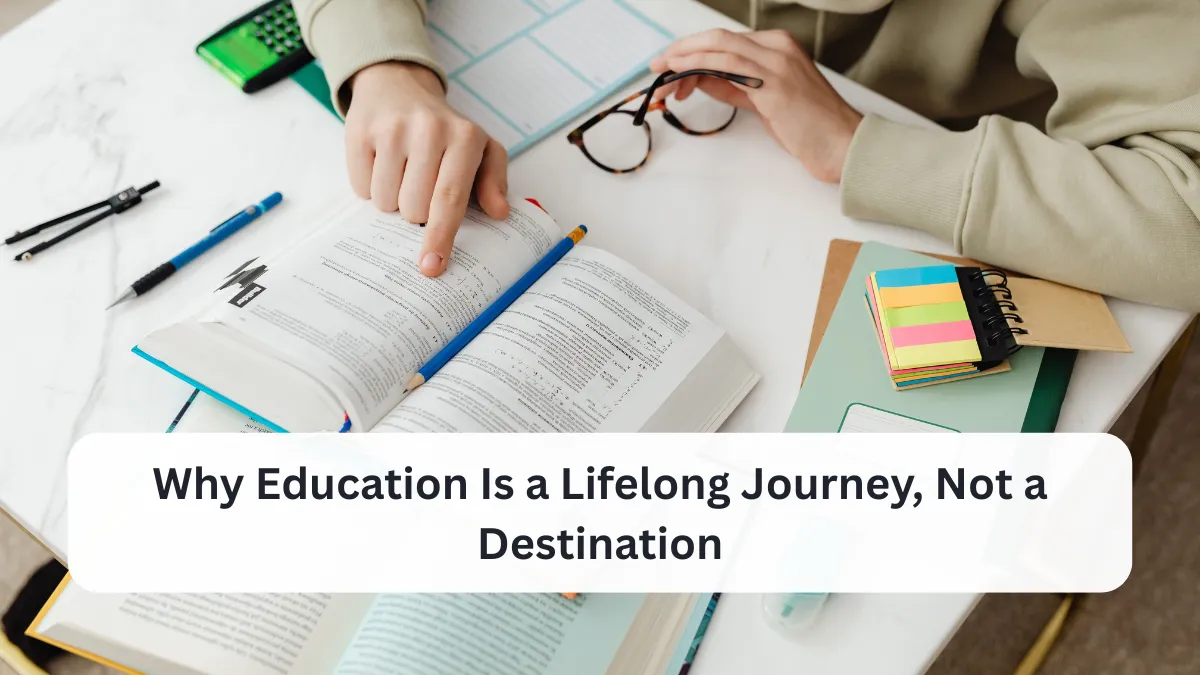
Have you ever finished school or a degree program feeling like you’d finally “arrived”? Maybe you walked across that graduation stage, diploma in hand, thinking the hard part was over. Then life hit—new job demands, family changes, or tech shifts—and suddenly, you’re scrambling to keep up. This is the problem many of us face in the US: treating education like a one-time checkpoint instead of an ongoing path.
That mindset leaves people stuck, unprepared for real-world changes. In a country where industries evolve fast—from tech hubs in Silicon Valley to manufacturing shifts in the Midwest—stopping learning means falling behind. But it doesn’t have to be that way. This article breaks down why this happens and shares practical steps to make education a natural part of your life.
 Creating Accessible Learning Pathways for Students with Disabilities
Why We Treat Education Like a Destination
The School System Sets the Wrong Expectation
From kindergarten through college, the US education system focuses on endpoints. You study for tests, earn grades, and graduate. It’s like a race to the finish line. I remember my own college days in Ohio—everyone celebrated finals week as freedom. But six months into my first job, I realized skills from textbooks didn’t match office realities.
This structure works for building basics, but it skips the truth: knowledge expires. A 2023 report from the Bureau of Labor Statistics showed that 80% of jobs in the US now require digital skills that change every few years. Yet schools rarely teach adaptation.
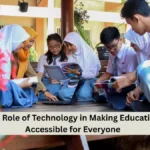 The Role of Technology in Making Education Accessible for Everyone
Life Gets in the Way After “Arrival”
Once we hit adulthood, priorities shift. Bills pile up, kids need attention, and weekends fill with chores. Working professionals in places like Texas or Florida often clock 40-50 hours weekly, leaving little energy for learning. Seniors might retire thinking they’ve earned a break, only to face isolation without mental stimulation.
Busyness isn’t the only culprit. Culturally, we glorify “being done.” Think of the American Dream narrative: hustle through school, land a stable job, coast. But with automation reshaping roles—over 2 million manufacturing jobs evolved since 2010, per government data—coasting leads to obsolescence.
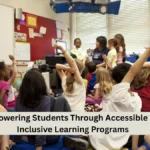 Empowering Students Through Accessible and Inclusive Learning Programs
The Fear of Starting Over
Many hesitate because restarting feels daunting. “I’m too old,” or “I don’t have time,” we tell ourselves. A friend in California, a 45-year-old mechanic, stuck with outdated tools until his shop closed. He feared retraining, but waiting cost him more. This mental block turns education into a distant memory, not a tool for growth.
Step-by-Step Solutions to Embrace Lifelong Learning
Turning education into a journey starts with small, realistic shifts. These steps draw from what I’ve seen work for students in dorms, professionals in cubicles, and retirees in community centers across the US.
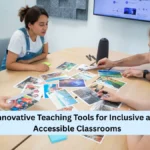 Innovative Teaching Tools for Inclusive and Accessible Classrooms
Step 1: Assess Your Current Knowledge Gaps
Begin by taking stock. Grab a notebook and list skills your job or life demands now—and what it might need in five years.
- Review your daily routine: What frustrates you? For a retail worker in New York, it might be handling online orders.
- Talk to peers: Ask a coworker or neighbor what they’re learning.
- Use free self-assessments: Sites like those from the Department of Labor offer quick quizzes on in-demand skills.
Spend 15 minutes daily for a week. This builds awareness without overwhelm. My assessment revealed I needed better project management after a team promotion—simple start.
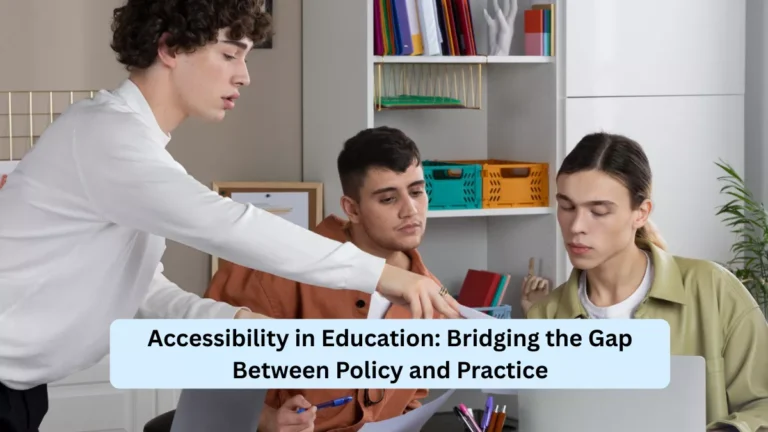
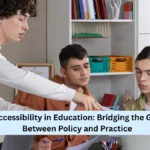 Accessibility in Education: Bridging the Gap Between Policy and Practice
Step 2: Set Micro-Goals with a Personal Learning Plan
Big goals intimidate; tiny ones stick. Create a one-page plan.
- Pick one focus area, like basic coding for a marketing role or gardening for a senior’s hobby.
- Break it into weekly bites: 20 minutes a day, three days a week.
- Track progress in a journal: Note what you learned and one win.
For example, a teacher in Georgia I know planned 10-minute daily reads on classroom tech. In a month, she integrated tools her students loved. Use phone reminders to stay consistent—apps aren’t magic, but habits are.
Step 3: Tap into Free and Low-Cost US Resources
America offers abundant options—no need for expensive degrees.
- Public libraries: Every state has them. Chicago’s system, for instance, provides free e-books, workshops, and computers. Borrow audiobooks for commutes.
- Community colleges: Affordable classes, often under $100 per course. In Florida, programs like those at Miami Dade College offer evening sessions for working adults.
- Online platforms: Khan Academy or Coursera audits cover everything from history to Excel, with certificates sometimes free.
A retiree in Arizona started with library history talks, then moved to online courses. Now he leads local discussions. Start local—your library card unlocks worlds.
Step 4: Build Learning into Your Routine
Make it habitual, not heroic. Integrate education like brushing teeth.
- Morning: 10 minutes of a podcast during coffee (try ones on history or skills).
- Commute: Language apps if driving less, or audiobooks.
- Evenings: One video tutorial while winding down.
Professionals in fast-paced Seattle often pair learning with walks—listen to a lecture while exercising. I do this with writing tips; it fits gym time perfectly. Adjust for your life stage: students add it post-homework, seniors during morning coffee.
Step 5: Connect and Apply What You Learn
Solo learning fades; sharing cements it.
- Join a group: Meetups via local parks departments or senior centers.
- Teach one thing weekly: Explain to a family member or post in a community forum.
- Apply immediately: Use a new skill at work or home.
A nurse in Pennsylvania learned basic Spanish online, then practiced with patients. It boosted her confidence and job satisfaction. Real use turns knowledge into wisdom.
Step 6: Review and Adjust Quarterly
Every three months, revisit your plan. What’s working? Tweak as needed—life changes.
Celebrate quietly: A coffee treat after a goal. This keeps momentum without burnout.
Helpful Tips and Common Mistakes to Avoid
Lifelong learning thrives on smart habits. Here are tips that help:
- Tip 1: Pair learning with joy—cook while listening to nutrition facts.
- Tip 2: Focus on curiosity, not credentials. A hobby like birdwatching in national parks teaches biology effortlessly.
- Tip 3: Involve others—a book club for students or walking group for seniors.
Avoid these pitfalls:
- Overcommitting: One topic at a time prevents dropout.
- Perfectionism: Progress beats flawless starts. My first coding attempt was messy, but it improved.
- Isolation: Learning alone stalls; communities in places like Texas libraries keep you going.
Real people slip here—a busy parent skips weeks, then quits. Weekly check-ins fix that.
FAQ’s
Is lifelong learning worth it if I’m already established in my career?
Yes, it keeps you adaptable. Many in their 50s switch roles or advance by learning one skill, like data basics, staying relevant amid changes.
How do I find time with a full-time job and family?
Start tiny—10 minutes daily adds up to 70 hours yearly. Use dead time like chores; families can join, turning it into bonding.
What if I’m a senior and tech feels overwhelming?
Local libraries offer free beginner classes. Start with voice-assisted tools—no typing needed. Many 70+ folks master tablets this way.
Can students balance this with school?
Absolutely—treat it as an edge. One college paper a week on a personal interest builds habits early.
✨ You May Also Like ✨