Starting college or high school feels exciting, but many students hit a wall near graduation. They struggle to land jobs, manage real-world tasks, or even finish strong. I’ve talked to grads who aced tests yet panicked over simple resumes or group projects gone wrong.
This gap leaves them unprepared for life after the cap and gown. If you’re a student, parent, or returning learner in the US, you know the feeling—classroom smarts don’t always translate outside.
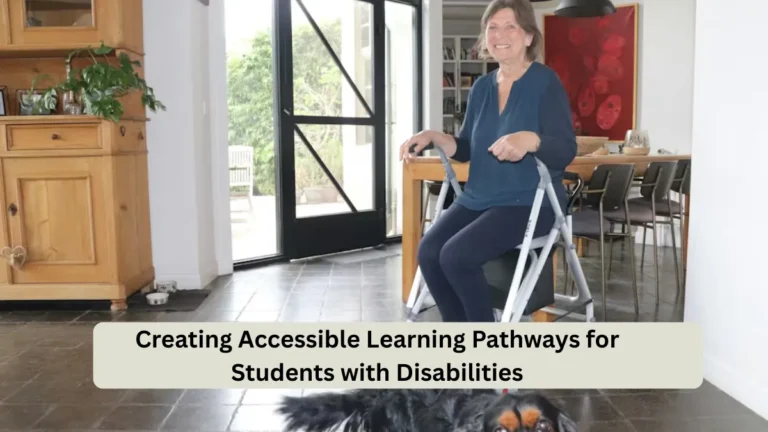
 Creating Accessible Learning Pathways for Students with Disabilities
Why Students Lack These Key Skills
Schools focus on grades and tests, which is fine for basics. But life demands more, like adapting to change or working with others under pressure.
Busy schedules play a role too. With part-time jobs, sports, or family duties—common for American students—there’s little time left for building habits like planning ahead.
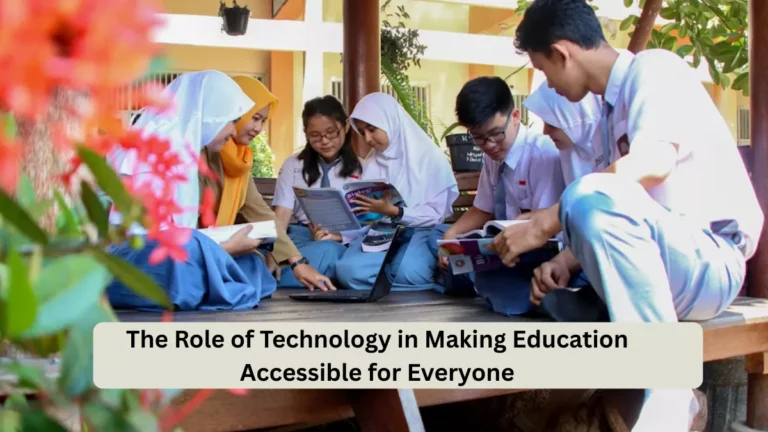
 The Role of Technology in Making Education Accessible for Everyone
Employers notice this. A survey from the National Association of Colleges and Employers shows over 80% of hiring managers want skills like communication over straight GPAs. Without them, even strong transcripts gather dust.
Social media and quick fixes add to the issue. Students scroll for answers instead of practicing deep thinking, leading to shallow skills when deadlines hit.
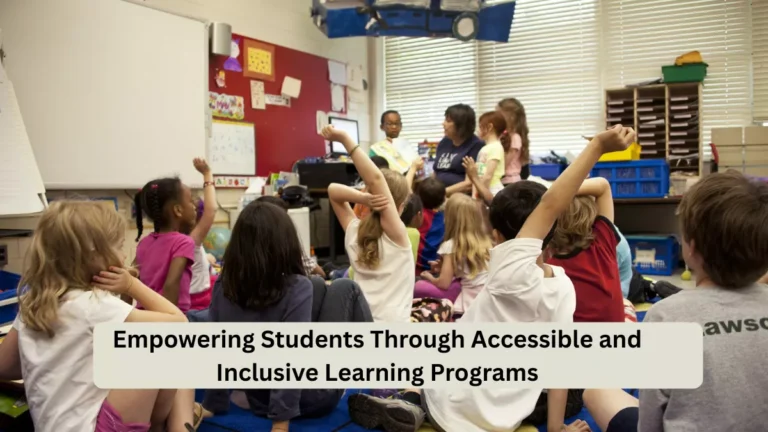
 Empowering Students Through Accessible and Inclusive Learning Programs
Time Management: Master Your Schedule First
Poor time management trips up most students. You cram for exams, miss deadlines, or burn out before finals.
It happens because high school often hands you a schedule, but college expects you to own it. Add internships or side gigs—like waiting tables in Chicago—and chaos sets in.
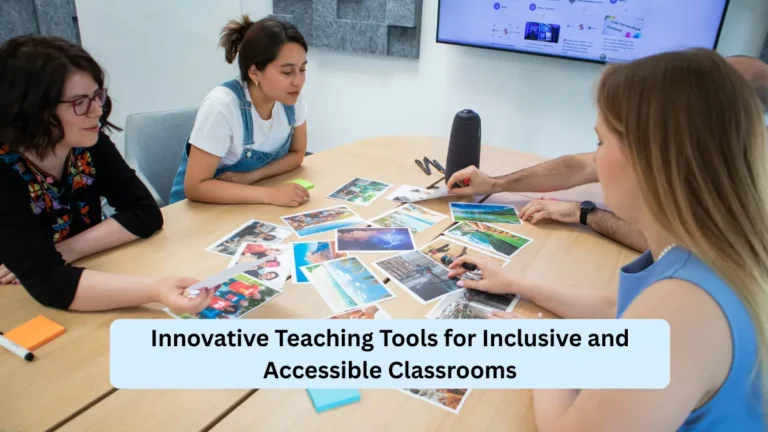
 Innovative Teaching Tools for Inclusive and Accessible Classrooms
Step 1: Track Your Time for a Week
Grab a notebook or free app like Google Calendar. Log every hour: classes, sleep, meals, scrolling. At week’s end, spot leaks—like two hours on TikTok daily.
This builds awareness. One student I knew in Texas cut gaming by 30 minutes nightly and gained study time.
 Accessibility in Education: Bridging the Gap Between Policy and Practice
Step 2: Set SMART Goals Daily
Make goals Specific, Measurable, Achievable, Relevant, Time-bound. Instead of “study math,” say “review algebra chapter 5 for 45 minutes before dinner.”
Break your day into blocks: 50 minutes work, 10-minute break (Pomodoro style). Tools like Todoist help here.
Step 3: Review and Adjust Weekly
Sunday evenings, check what worked. Shifted a late class? Reschedule. Reward small wins, like a walk in the park.
Students at UCLA who did this finished semesters with less stress.
Quick Tip: Use phone alarms for transitions, not just reminders.
Communication Skills: Speak and Write with Confidence
You nail essays but freeze in interviews or team meetings. Misunderstandings tank projects and job offers.
College emphasizes solo work, not the back-and-forth of offices. In the US, diverse workplaces—from New York startups to California tech firms—demand clear talk across backgrounds.
Step 1: Practice Active Listening
In conversations, paraphrase back: “So you’re saying the report needs more data by Friday?” This cuts errors by half.
Join campus clubs like debate or Toastmasters. Free sessions build ear skills.
Step 2: Hone Writing Basics
Start emails right: subject line like “Question on Assignment 3,” short paragraphs, no slang. Read aloud to catch awkward spots.
Use free tools like Grammarly for polish, but rewrite in your voice. A Florida State grad landed an internship by emailing professors cleanly.
Step 3: Role-Play Tough Talks
Practice job interviews with friends or career centers—many universities like Ohio State offer mock sessions. Record yourself; fix filler words like “um.”
For groups, assign roles upfront: “I’ll handle research; you present.”
Common Mistake to Avoid: Texting everything. Real pros pick up the phone for clarity.
Critical Thinking: Question and Solve Like a Pro
You memorize facts but falter when problems twist. Real decisions—like choosing a major or budget—need deeper analysis.
Textbooks give answers; life doesn’t. American curricula push rote learning, per education reports, leaving grads puzzled by gray areas.
Step 1: Ask the Five Whys
Facing a choice? Ask “why” five times. “Should I switch majors?” Why? “Job market sucks.” Why? Dig to roots.
Apply in classes: Challenge assumptions in history debates.
Step 2: Weigh Pros and Cons Visually
List options in a table:
| Option | Pros | Cons | Backup Plan |
|---|---|---|---|
| Intern in summer | Experience, network | No pay | Part-time job fallback |
| Study abroad | New views | Costly | Scholarships first |
This method helped a friend at University of Michigan pick wisely.
Step 3: Test Ideas Small-Scale
Don’t leap—prototype. Unsure about a project? Sketch a mini version. Debate clubs at places like Harvard sharpen this.
Quick Tip: Read diverse books like “Thinking, Fast and Slow” by Daniel Kahneman for real examples.
Common Mistake: Going with gut only. Data first, always.
Digital Literacy: Navigate Tech Without Fear
Tech overwhelms: spreadsheets crash, scams hit emails, or you Google wrong.
Schools teach typing, not tools like Excel or safe browsing. With US cyber threats rising—FBI reports thousands of student scams yearly—ignorance costs.
Step 1: Learn Core Tools Hands-On
Master Google Workspace or Microsoft 365 via free YouTube tutorials. Practice Excel formulas like SUM for budgets.
Community colleges like those in California offer one-day workshops.
Step 2: Spot Fakes and Protect Data
Check URLs before clicking. Use two-factor authentication everywhere. A Seattle student avoided $500 in fraud this way.
Password managers like LastPass store strong ones safely.
Step 3: Build a Digital Portfolio
Showcase work on LinkedIn or a free site like Wix. Upload class projects with explanations.
Employers scan these before resumes.
Common Mistake to Avoid: Sharing too much online. Privacy settings matter.
Financial Literacy: Handle Money Basics
Grad debt looms, but rent and groceries shock many. You skip budgeting, rack up cards.
Few US schools require it—only a handful of states mandate courses. Loans cover tuition, not life skills.
Step 1: Track Income and Expenses
Apps like Mint link accounts. Categorize: food, fun, savings. Aim for 50/30/20 rule: needs/wants/savings.
A NYU student paid off $2K debt by logging weekly.
Step 2: Understand Credit Scores
Pull free reports yearly from AnnualCreditReport.com. Pay bills on time—biggest factor.
Student cards build history safely.
Step 3: Plan Post-Grad Budget
Estimate salary via sites like Glassdoor. Subtract taxes (use IRS withholding estimator), add rent (30% rule).
Save three months’ expenses in a high-yield account.
Quick Tip: Negotiate bills politely—cable companies often cut rates.
Emotional Intelligence: Manage Yourself and Others
Stress boils over; teams clash. You react hot, regret later.
Campuses pack schedules, ignoring self-awareness. APA studies show US college mental health calls up 50% since 2010.
Step 1: Journal Daily Feelings
Note triggers: “Group mate slacked; I snapped.” Spot patterns.
Campus counseling—free at most schools—guides this.
Step 2: Practice Empathy
In conflicts, say “I see you’re swamped too.” Builds allies.
Volunteering at food banks teaches real perspectives.
Step 3: Build Resilience Routines
Exercise 20 minutes daily, sleep 7-8 hours. Breathe deep: 4-7-8 method (in 4, hold 7, out 8).
Michigan State athletes swear by it for focus.
Common Mistake: Bottling emotions. Talk early.
Adaptability: Thrive in Change
Plans flop—majors shift, jobs vanish. Rigid thinking stalls you.
Fast US job markets pivot; COVID proved it. Education lags on flexibility training.
Step 1: Embrace Small Changes
Switch study spots weekly. Try new apps.
Step 2: Learn from Failures
After a bad grade, list three takeaways. Pivot fast.
Step 3: Network Broadly
Attend career fairs, LinkedIn connect. A Boston U grad switched fields via chats.
Quick Tip: Read biographies of adapters like Elon Musk for inspiration.
Helpful Tips and Common Mistakes to Avoid
Start small—one skill weekly. Pair with a buddy for accountability.
Mistakes: Multitasking (kills focus), ignoring feedback, procrastination via perfectionism.
Track progress in a journal. Celebrate graduations, like treating to coffee.
Parents: Encourage over push. Students: Seek mentors early.
FAQ’s
What if I’m a non-traditional student returning to school?
Focus on time management first. Many community colleges like those in Texas offer flexible online classes and advisors for adults balancing work.
How do these skills help with job hunting in the US?
Hiring managers value them over GPAs. Tailor resumes with examples: “Led team project, met deadline via clear comms.”
Can I learn these without extra classes?
Yes—free resources abound. Libraries host workshops; apps like Coursera offer short courses.
What’s the best way to practice in groups?
Volunteer for leadership in clubs. Reflect post-meeting: What went well? Next time?
✨ You May Also Like ✨