
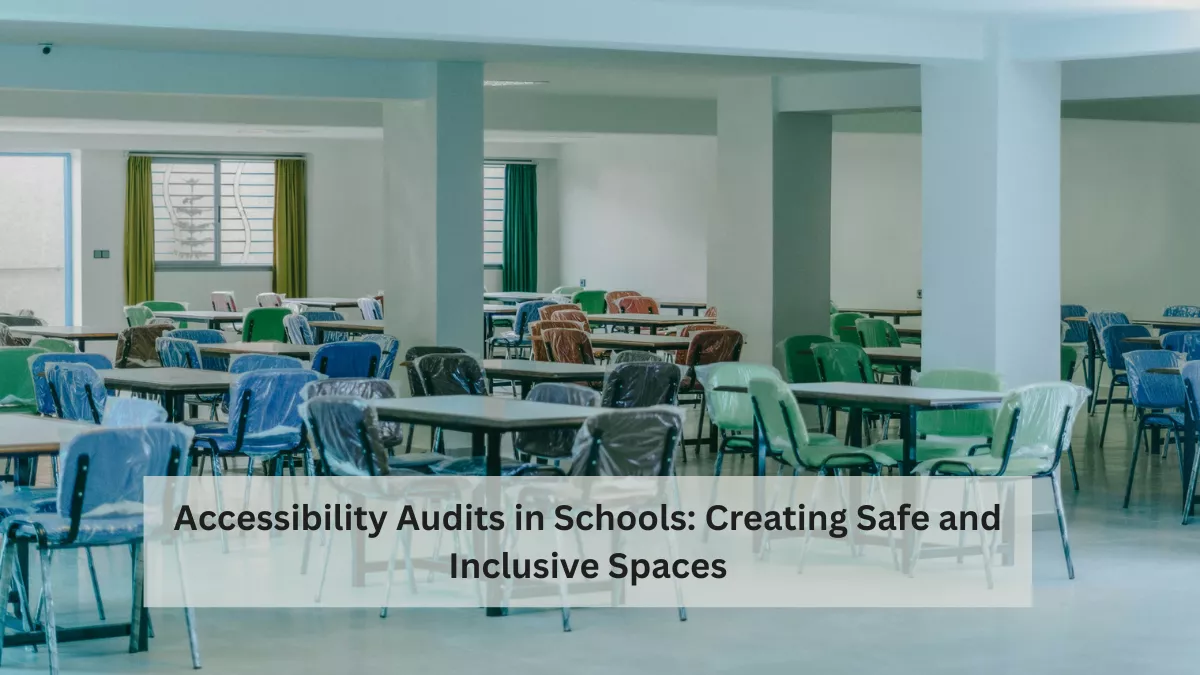
Imagine a school where every student feels safe, included, and empowered to learn. For many children, this ideal remains out of reach due to physical, sensory, or cognitive barriers that limit access to classrooms, playgrounds, and learning resources. Accessibility audits in schools are a critical tool in bridging this gap. By evaluating facilities, policies, and practices, schools can identify obstacles and implement solutions that ensure all students, including those with disabilities, can thrive. In this article, we explore the importance of accessibility audits, their process, and actionable steps schools can take to create inclusive environments that benefit every learner.
Accessibility in education goes beyond compliance with regulations. It is about fostering an environment where students can participate fully, develop skills, and feel a sense of belonging. Schools that neglect accessibility risk limiting student potential, increasing social isolation, and failing to provide equitable learning opportunities. Conducting systematic audits allows school administrators, educators, and stakeholders to understand challenges and prioritize interventions, ultimately creating safe, welcoming, and inclusive spaces for every student.

Understanding Accessibility Audits in Schools
Accessibility audits are comprehensive evaluations that assess how well a school accommodates students with diverse needs. These audits examine physical infrastructure, classroom design, learning materials, technology, and school policies. The goal is to identify barriers that prevent students from accessing education fully and safely.
Physical barriers are often the most visible. Steps without ramps, narrow doorways, inaccessible restrooms, and playgrounds not designed for all abilities can significantly limit mobility. Sensory and cognitive accessibility is equally important. Classrooms with poor lighting, high noise levels, or confusing signage can create challenges for students with visual, auditory, or cognitive impairments. Technology, including learning management systems and digital materials, must also be evaluated to ensure compatibility with assistive devices and screen readers. Accessibility audits provide a structured approach to uncovering these issues and creating actionable solutions.
Key Areas of Focus in Accessibility Audits
When conducting an accessibility audit, schools must address multiple dimensions to ensure comprehensive coverage. Physical accessibility examines entrances, hallways, classrooms, restrooms, and recreational areas. The audit assesses whether students with mobility challenges can navigate the school safely and independently. Environmental factors include lighting, acoustics, ventilation, and classroom layout. Poor lighting or excessive noise can hinder learning for students with sensory sensitivities or attention difficulties.
Instructional accessibility evaluates teaching methods, materials, and resources. Are textbooks available in braille or digital formats? Do lesson plans incorporate universal design principles to engage students of different learning styles? Evaluating technology accessibility is critical in modern education. Digital platforms must be compatible with screen readers, voice recognition software, and other assistive technologies. Policy and procedural reviews examine emergency plans, school rules, and communication methods, ensuring that all students receive equitable information and support.
The Process of Conducting an Accessibility Audit
A well-structured audit begins with planning. Schools should establish goals, identify stakeholders, and determine the scope of the audit. Collaboration is essential; involving teachers, administrators, parents, and students ensures that the audit captures diverse perspectives and real-world challenges. Next, auditors conduct on-site assessments, observing classrooms, hallways, playgrounds, and other facilities. Detailed checklists and standardized evaluation tools help maintain consistency and ensure no aspect is overlooked.
During the assessment, auditors document barriers and categorize them by severity and urgency. Photographs, measurements, and detailed notes provide evidence for planning interventions. Interviews with students, teachers, and staff offer insights into daily challenges that may not be immediately visible. Once data collection is complete, auditors analyze findings and create a comprehensive report with recommendations for improvements. This report serves as a roadmap, guiding schools in prioritizing actions, allocating resources, and tracking progress over time.
Examples of Accessibility Improvements in Schools
Schools around the world have implemented creative solutions to enhance accessibility. Installing ramps and automatic doors, widening hallways, and adding accessible restrooms are foundational improvements. Some schools have adopted height-adjustable desks, sensory-friendly classrooms, and quiet zones to accommodate students with sensory sensitivities. Technology enhancements include providing laptops or tablets equipped with screen readers, closed captioning for videos, and adaptive software that supports diverse learning needs.
Professional development for teachers is a crucial component of accessibility improvement. Training educators on inclusive teaching strategies, communication techniques, and the use of assistive technologies empowers them to support every student effectively. Schools have also introduced peer support programs, fostering collaboration and empathy among students. These initiatives demonstrate that accessibility is not limited to physical infrastructure; it encompasses learning experiences, social inclusion, and emotional well-being.

Benefits of Accessibility Audits
The benefits of conducting accessibility audits extend beyond compliance with regulations. Schools that invest in accessibility improvements create environments where all students can participate fully and safely. Improved accessibility enhances learning outcomes, reduces absenteeism, and promotes social integration. Students who feel included are more likely to engage in classroom activities, build relationships, and develop confidence in their abilities.
Accessibility audits also help schools allocate resources efficiently. By identifying priority areas, schools can focus on interventions that have the greatest impact. Furthermore, demonstrating a commitment to accessibility strengthens a school’s reputation, fostering trust among families, staff, and the wider community. Accessible schools are prepared to meet diverse needs, adapt to changing regulations, and cultivate an inclusive culture that benefits everyone.
Challenges in Implementing Accessibility Changes
Despite the benefits, schools may face challenges when implementing accessibility improvements. Budget constraints, limited staff expertise, and aging infrastructure can create obstacles. Resistance to change or lack of awareness among stakeholders may slow progress. Schools must approach these challenges strategically, prioritizing interventions based on urgency and impact while seeking external support, grants, or community partnerships to supplement resources.
Continuous monitoring is essential to overcome these challenges. Accessibility is not a one-time effort; as schools evolve, new barriers may emerge. Regular audits, feedback from students and staff, and periodic updates to facilities and technology ensure that accessibility remains a central focus. Engaging the entire school community in ongoing dialogue fosters ownership, accountability, and a shared commitment to inclusion.
Actionable Tips for Schools
Schools can take practical steps to enhance accessibility immediately. Conducting a preliminary self-assessment helps identify obvious barriers. Involving students in sharing their experiences provides valuable insights. Prioritizing high-impact interventions, such as accessible entrances, restrooms, and learning materials, ensures meaningful progress. Incorporating universal design principles into future renovations, classrooms, and digital resources promotes long-term inclusivity. Schools should also provide professional development for staff on accessibility standards and inclusive teaching practices, reinforcing a culture of equity and respect.
Community engagement amplifies the impact of accessibility initiatives. Partnering with local organizations, advocacy groups, and parents can provide expertise, resources, and support. Celebrating small achievements and communicating progress to the school community reinforces the importance of accessibility and motivates continued efforts. Ultimately, accessibility is a shared responsibility that requires collaboration, commitment, and a proactive mindset.
Measuring the Impact of Accessibility Audits
Assessing the effectiveness of accessibility audits involves both quantitative and qualitative measures. Schools can track improvements in student participation, attendance, and academic performance. Surveys and feedback from students, parents, and staff provide insights into perceived inclusivity and comfort levels. Monitoring technology usage, classroom engagement, and access to resources helps identify whether interventions are achieving intended outcomes. By combining data-driven metrics with personal experiences, schools gain a comprehensive understanding of their progress and areas for continued improvement.
Evaluating the impact also informs future planning. Schools can refine policies, prioritize ongoing training, and allocate resources more effectively. Success stories and documented improvements serve as models for other institutions, promoting a culture of best practices in accessibility. Continuous assessment ensures that accessibility remains a dynamic and evolving aspect of school management, aligning with the needs of every student.
Legal and Ethical Considerations
Accessibility in schools is not only a moral imperative but also a legal requirement in many jurisdictions. Laws and regulations, such as the Americans with Disabilities Act (ADA) in the United States, mandate that schools provide reasonable accommodations for students with disabilities. Compliance requires a proactive approach, including regular audits, staff training, and documentation of accessibility measures. Schools that fail to address barriers may face legal consequences, reputational damage, and diminished trust within the community.
Ethically, schools have a responsibility to provide equitable education. Accessibility audits reinforce this commitment by identifying and addressing disparities. By creating environments where all students can succeed, schools uphold principles of fairness, inclusion, and human dignity. Accessibility initiatives should be embedded in school culture, guiding decisions in infrastructure, curriculum design, and student support services.
Future Trends in School Accessibility
As technology and educational practices evolve, accessibility in schools will continue to advance. Digital learning platforms, virtual reality, and artificial intelligence offer opportunities to create personalized, accessible learning experiences. Smart classrooms can adapt lighting, sound, and seating arrangements to meet individual needs. Wearable assistive devices and interactive learning tools enhance engagement for students with diverse abilities.
Inclusive design principles are increasingly influencing architecture and planning. Schools are adopting flexible spaces, modular furniture, and universal signage to accommodate varying needs. Collaboration with experts, advocacy groups, and the community ensures that accessibility remains a priority in planning and development. By embracing innovation and inclusivity, schools can create learning environments that are safe, welcoming, and future-ready.
Conclusion: Building Inclusive Schools for All
Accessibility audits in schools are essential for creating safe and inclusive learning environments. By evaluating physical spaces, instructional materials, technology, and policies, schools can identify barriers and implement solutions that promote equity and participation. The benefits are far-reaching, enhancing student engagement, academic outcomes, and social integration while fostering a culture of inclusion and respect. Challenges exist, but strategic planning, stakeholder involvement, and ongoing assessment ensure that accessibility remains a priority. Schools that embrace these practices not only comply with legal standards but also affirm their commitment to nurturing every student’s potential.
Inclusive education is a shared responsibility. Administrators, teachers, students, and families must collaborate to create environments where diversity is valued, challenges are addressed, and every student can thrive. Accessibility audits provide a roadmap to achieving this vision, turning schools into safe, equitable, and inspiring spaces for learning.
FAQs
What is an accessibility audit in schools?
An accessibility audit evaluates school facilities, policies, and materials to ensure all students can access education safely and effectively.
Why are accessibility audits important?
They identify barriers, promote inclusion, improve learning outcomes, and ensure schools meet legal and ethical standards.
How often should schools conduct accessibility audits?
Schools should conduct audits at least every two to three years or after major renovations or policy changes.
What areas are assessed in a school accessibility audit?
Audits examine physical spaces, classroom design, instructional materials, technology, and policies affecting student access.
Can accessibility audits benefit all students?
Yes, improvements benefit students with disabilities, sensory sensitivities, and diverse learning needs, creating inclusive environments.
✨ You May Also Like ✨