
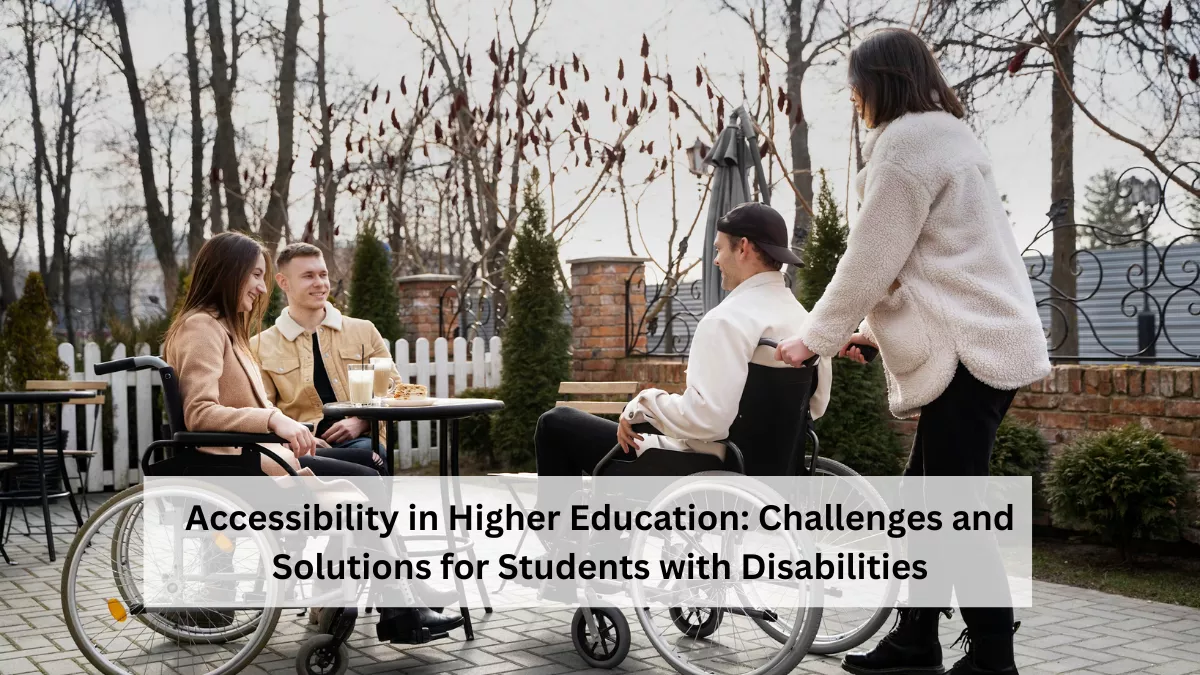
Higher education is often viewed as a gateway to personal growth, professional development, and lifelong learning. Yet, for students with disabilities, this path can present significant obstacles that go beyond academics. Accessibility in higher education is not simply a legal requirement; it is a matter of equity, inclusion, and human dignity.
Ensuring that all students, regardless of their abilities, have equal opportunities to participate in learning experiences is crucial for fostering innovation, diversity, and social progress. This article explores the challenges students with disabilities face, the strategies institutions can implement to improve accessibility, and practical solutions that empower students to thrive academically and socially.

Understanding Accessibility in Higher Education
Accessibility in higher education encompasses physical, digital, and instructional access that enables students with disabilities to fully engage with campus resources, curricula, and community life. Physical accessibility includes building design, classroom layouts, dormitories, and campus transportation. Digital accessibility ensures that learning management systems, online lectures, course materials, and institutional websites are usable by students with various disabilities.
Instructional accessibility addresses teaching methods, assessments, and academic accommodations that support different learning needs. A truly accessible higher education environment requires a holistic approach that considers the intersection of these dimensions.
Common Challenges Faced by Students with Disabilities
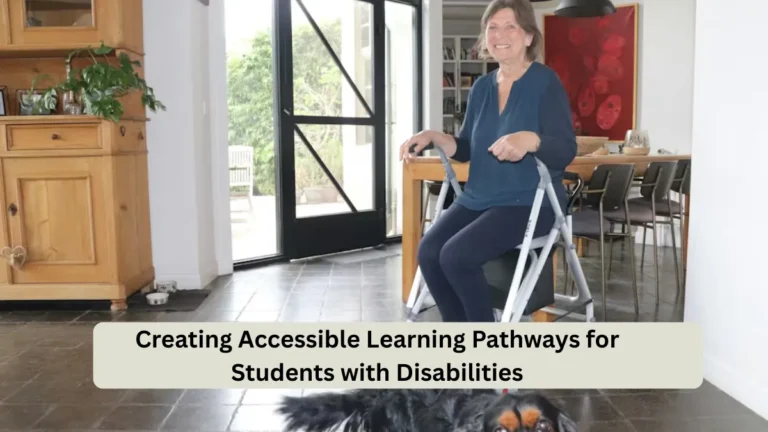
Students with disabilities encounter a range of challenges that can hinder their educational success. Physical barriers, such as inaccessible lecture halls, libraries, and laboratories, are persistent problems at many campuses. For students with mobility impairments, navigating multi-story buildings without elevators or ramps can be a daily struggle. Additionally, students with sensory disabilities, including vision or hearing impairments, may find it difficult to access lectures, study materials, or campus events without appropriate accommodations.
Digital barriers are equally critical. Many students rely on screen readers, voice recognition software, or other assistive technologies to engage with course content. However, poorly designed websites, inaccessible PDFs, or uncaptioned videos can prevent full participation. Online learning platforms and digital resources must adhere to accessibility standards to avoid excluding students.
Academic challenges are also prevalent. Standardized testing methods, timed exams, and inflexible assignment deadlines can disproportionately affect students with cognitive or learning disabilities. Inadequate support from instructors or limited awareness of disability-specific needs can exacerbate these difficulties, leaving students to struggle silently. Social barriers, including stigma, isolation, or lack of inclusive extracurricular opportunities, further compound the challenges, impacting both mental health and academic performance.
Legal Framework and Institutional Responsibilities
Higher education institutions operate under legal mandates that protect the rights of students with disabilities. In many countries, laws such as the Americans with Disabilities Act (ADA) in the United States, the Equality Act in the United Kingdom, and similar regulations worldwide require institutions to provide reasonable accommodations and ensure equal access. These legal frameworks serve as both a foundation and a motivation for universities to implement inclusive policies and practices. Compliance involves more than avoiding legal penalties; it reflects a commitment to equity and social responsibility.
Institutions must develop clear accessibility policies, provide training for faculty and staff, and establish dedicated offices or coordinators to manage disability services. Policies should outline procedures for requesting accommodations, responding to accessibility concerns, and evaluating the effectiveness of implemented solutions. Proactive compliance demonstrates that accessibility is embedded into the institutional culture rather than treated as a reactive or ad hoc measure.
Strategies for Enhancing Accessibility
Creating an accessible higher education environment requires intentional, multi-faceted strategies. First, campuses must address physical accessibility by designing barrier-free buildings, classrooms, and recreational spaces. Elevators, ramps, wide doorways, adjustable desks, and accessible restrooms are essential elements. Beyond infrastructure, accessible campus transportation and clear signage contribute to a supportive environment.
Digital accessibility is equally important. Institutions should adopt web content accessibility guidelines (WCAG) to ensure that online platforms, learning management systems, and digital resources are compatible with assistive technologies. Captioned videos, alt-text for images, and properly formatted documents allow students with vision or hearing impairments to participate fully. Regular audits and feedback loops can help identify gaps and maintain digital inclusivity.
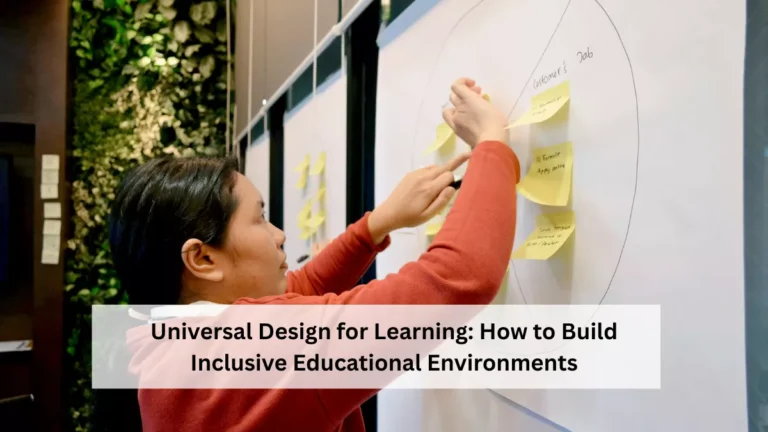
Instructional strategies must also be adapted. Universal Design for Learning (UDL) principles offer a framework for creating flexible, inclusive learning experiences. UDL encourages multiple methods of presenting content, assessing learning, and engaging students. For example, providing lecture notes in advance, offering alternative assignments, and allowing flexible exam formats accommodate diverse learning styles. Faculty development programs can enhance instructors’ awareness and skills in inclusive teaching practices, fostering a more supportive classroom culture.
Support services play a crucial role in student success. Academic advisors, disability services coordinators, and peer mentoring programs help students navigate challenges, access resources, and develop self-advocacy skills. Counseling and mental health services are also vital, as students with disabilities may experience stress or anxiety related to accessibility barriers. Engaging students in decision-making ensures that services are relevant, responsive, and empowering.
Technology and Innovation in Accessibility
Technological advancements have opened new avenues for improving accessibility in higher education. Assistive devices, such as screen readers, magnification tools, speech-to-text software, and adaptive keyboards, enhance students’ ability to participate in academic activities. Virtual reality (VR) and augmented reality (AR) are increasingly used to simulate hands-on experiences for students with mobility or sensory limitations.
Online learning platforms offer flexibility for students who cannot attend in-person classes due to physical or medical conditions. Synchronous and asynchronous learning options, combined with accessible digital content, allow students to manage their schedules and learning environments effectively. Institutions should invest in adaptive technologies and provide training for both students and faculty to maximize the benefits of these innovations.
Promoting Inclusion and Awareness
Accessibility extends beyond physical and digital accommodations; it involves creating a culture of inclusion and awareness. Faculty, staff, and students must recognize the diverse needs of their peers and adopt practices that foster respect, empathy, and collaboration. Awareness campaigns, workshops, and training sessions can challenge stereotypes, reduce stigma, and promote understanding of disability rights and experiences.
Inclusive campus communities encourage participation in extracurricular activities, leadership opportunities, and social engagement. Clubs, organizations, and events should be accessible to all students, ensuring that individuals with disabilities can contribute fully to campus life. Peer mentorship programs can bridge gaps, providing guidance, social support, and a sense of belonging.
Measuring and Sustaining Progress
Evaluating accessibility initiatives is essential for continuous improvement. Institutions can use surveys, focus groups, and accessibility audits to assess the effectiveness of policies, services, and infrastructure. Data-driven approaches help identify areas that require enhancement and inform strategic planning. Involving students with disabilities in feedback and decision-making ensures that solutions are practical, meaningful, and responsive to real needs.
Sustaining progress requires commitment at all levels of the institution. Leadership, faculty, and administrative staff must prioritize accessibility as an ongoing goal rather than a one-time project. Policies should be regularly reviewed, technologies updated, and training refreshed to adapt to evolving needs and innovations. A culture of accountability, transparency, and inclusivity ensures that accessibility remains a core value in higher education.
Conclusion
Accessibility in higher education is a multidimensional challenge that demands attention, commitment, and innovation. Students with disabilities face physical, digital, academic, and social barriers that can hinder their success. By implementing comprehensive strategies—ranging from accessible infrastructure and digital platforms to inclusive teaching methods and robust support services—institutions can create an environment where all students thrive.
Promoting inclusion, leveraging technology, and fostering awareness ensures equity and enriches the academic community. Higher education must recognize that true accessibility is not merely a legal obligation but a transformative opportunity to empower students and build a more inclusive society.
FAQs
What are common accessibility barriers in higher education?
Physical obstacles, inaccessible digital content, inflexible teaching methods, and social stigma hinder student participation.
How can universities improve digital accessibility?
Implement WCAG standards, provide captions, alt-text, and ensure platforms work with assistive technologies.
What is Universal Design for Learning (UDL)?
UDL is a framework promoting multiple ways to present, engage, and assess learning to accommodate diverse needs.
Why are support services important for students with disabilities?
Advisors, coordinators, and mentors help navigate challenges, access resources, and develop self-advocacy skills.
How can campuses foster inclusion beyond accessibility?
Awareness programs, inclusive events, peer mentorship, and faculty training create supportive, stigma-free environments.
✨ You May Also Like ✨