In today’s rapidly evolving educational landscape, ensuring that every student has equitable access to learning is more critical than ever. Traditional teaching methods, while effective for some, often fail to address the diverse needs of all learners, particularly those with disabilities or learning differences.
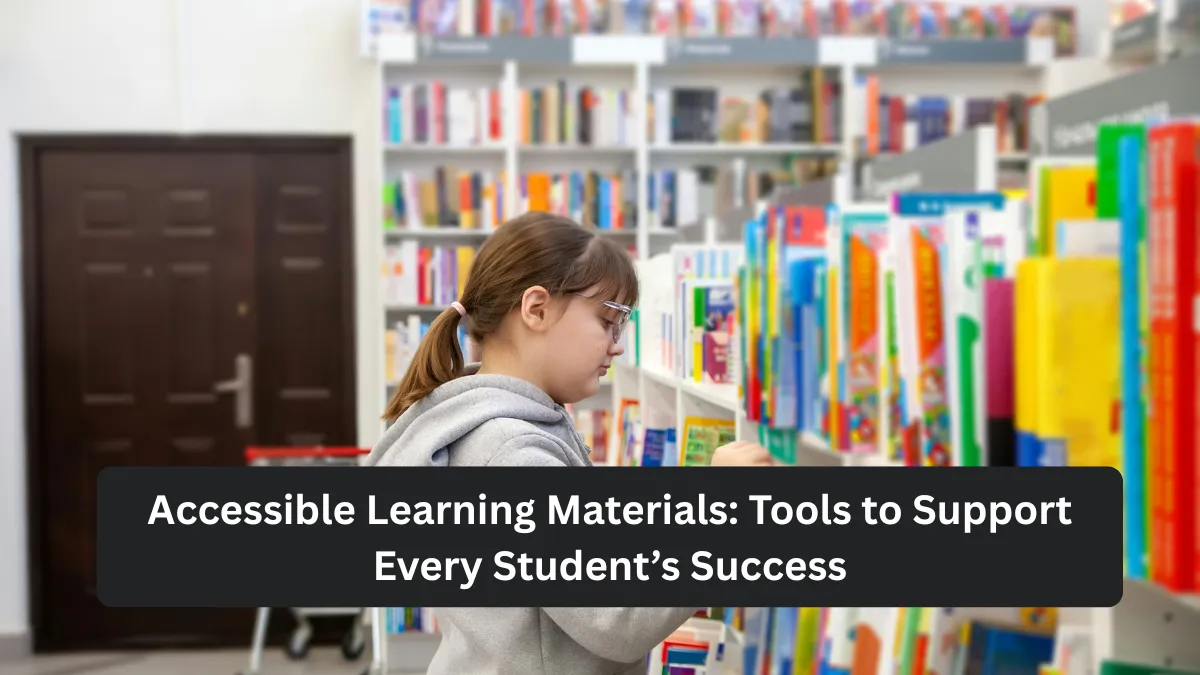
Accessible learning materials are no longer a luxury—they are essential for fostering inclusion, maximizing student potential, and preparing learners for a future where adaptability and understanding are key. This article explores the importance of accessible learning materials, the tools available to support every student, and practical strategies educators can use to enhance learning outcomes for all.
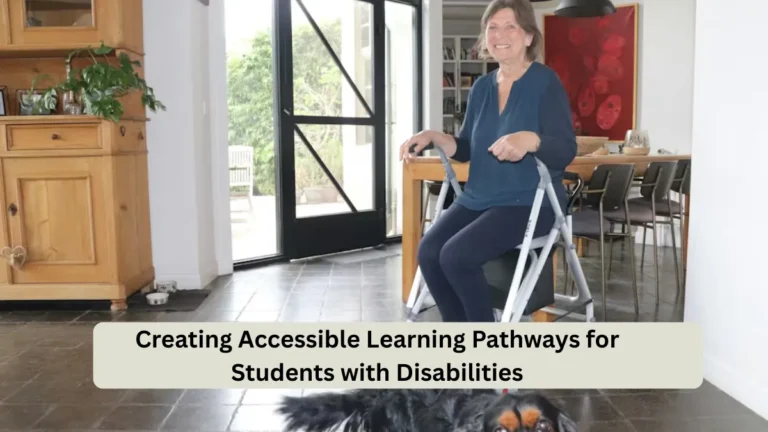
 Creating Accessible Learning Pathways for Students with Disabilities
Why Accessibility Matters in Education
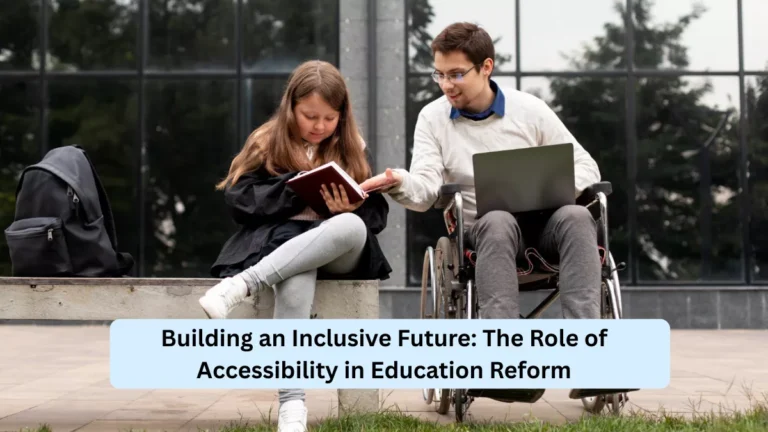
Accessibility in education goes beyond compliance with regulations; it is about creating a learning environment where every student can engage fully. Research consistently shows that students perform better when they can interact with learning materials in ways that match their abilities and learning styles.
Accessible materials can improve comprehension, retention, and motivation, particularly for students with visual, auditory, or cognitive challenges. These resources are not only beneficial for students with disabilities—they often enhance the learning experience for everyone, offering multiple pathways to understanding complex concepts. By prioritizing accessibility, educators can foster a culture of equity and inclusion, ensuring that no student is left behind.
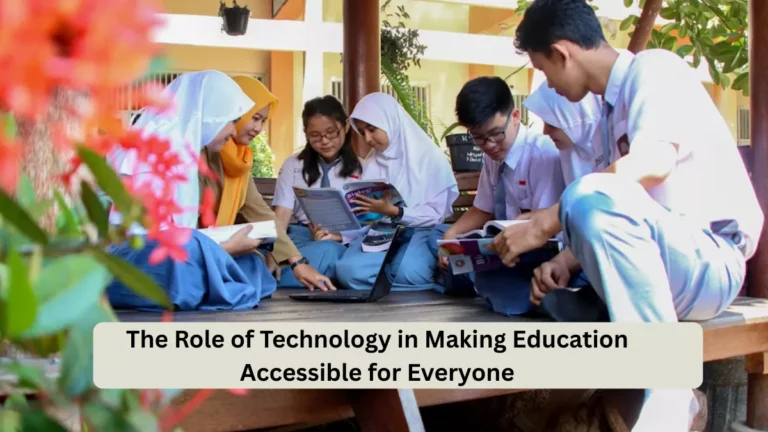
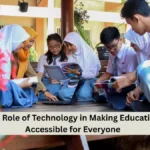 The Role of Technology in Making Education Accessible for Everyone
Digital Tools Transforming Accessible Learning
Advancements in technology have revolutionized the way educators create and distribute learning materials. Digital tools, including screen readers, text-to-speech software, and closed captioning, enable students with visual or auditory impairments to access content more effectively. Interactive e-books and online platforms often include adjustable fonts, high-contrast visuals, and customizable layouts, allowing students to tailor materials to their preferences.
Artificial intelligence-powered applications can provide real-time feedback, highlight key concepts, and suggest alternative explanations, further supporting comprehension. These technologies not only remove barriers but also create opportunities for personalized learning experiences that adapt to individual student needs.
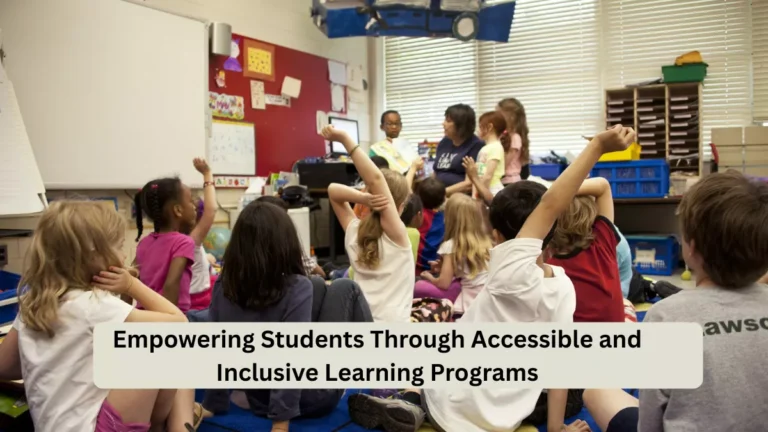
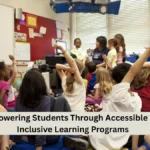 Empowering Students Through Accessible and Inclusive Learning Programs
Designing Materials for Diverse Learners
Creating accessible learning materials requires thoughtful planning and design. Educators should consider multiple modalities, such as combining text, audio, and visual elements, to accommodate different learning styles. Clear organization, logical flow, and concise language help students process information more efficiently. Incorporating tactile or manipulable resources can benefit kinesthetic learners and those with sensory processing differences.
Additionally, providing alternative formats, such as Braille, audio recordings, or simplified text versions, ensures that all students can engage with the curriculum. Effective design also involves regular testing and feedback from students to ensure materials truly meet their diverse needs.
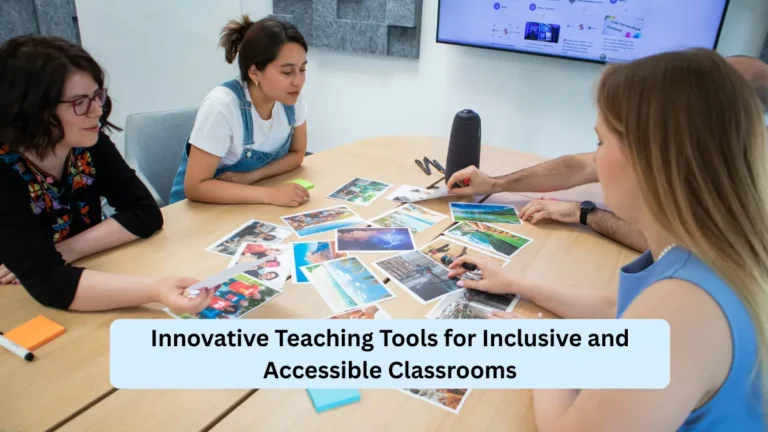
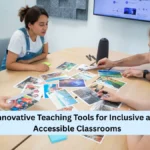 Innovative Teaching Tools for Inclusive and Accessible Classrooms
Supporting Students with Learning Disabilities
Students with learning disabilities face unique challenges that traditional resources may not address. Accessible learning tools, such as audiobooks, speech-to-text applications, and guided reading software, can reduce cognitive load and enhance focus. Color-coded notes, graphic organizers, and interactive simulations can help students understand abstract concepts and maintain organization.
By integrating these supports into everyday instruction, educators can empower students to develop independence, build confidence, and achieve academic success. Equipping teachers with professional development opportunities on accessibility strategies ensures that they can implement these tools effectively and respond to evolving student needs.
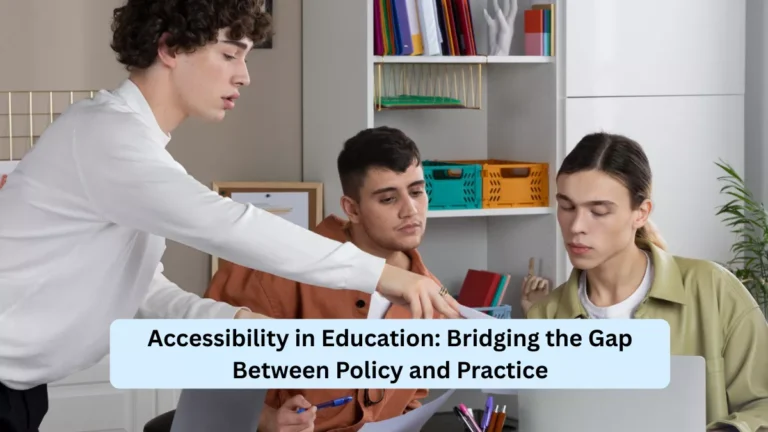
 Accessibility in Education: Bridging the Gap Between Policy and Practice
Inclusive Practices for the Classroom
Accessibility extends beyond materials to include teaching strategies and classroom culture. Universal Design for Learning (UDL) principles emphasize flexibility, engagement, and multiple means of representation, expression, and assessment. This approach encourages educators to anticipate potential barriers and proactively design lessons that accommodate a wide range of abilities.
Collaborative learning opportunities, peer support systems, and adaptive assessments foster inclusion and provide alternative avenues for students to demonstrate understanding. Creating a classroom environment where all students feel valued and supported enhances engagement, reduces frustration, and promotes lifelong learning habits.
Leveraging Technology for Remote and Hybrid Learning
The rise of remote and hybrid learning models has highlighted the importance of accessible digital materials. Online platforms that incorporate accessibility features, such as keyboard navigation, screen reader compatibility, and captioned videos, ensure that students can participate fully, regardless of location. Interactive modules, discussion forums, and virtual simulations provide hands-on experiences that replicate in-person learning opportunities.
Integrating accessibility tools into remote education not only addresses the needs of students with disabilities but also benefits English language learners and those facing technological or environmental challenges. By designing digital content with accessibility in mind, educators can create equitable learning experiences for all students, regardless of circumstances.
Measuring the Impact of Accessible Materials
Implementing accessible learning materials is only part of the equation; assessing their effectiveness is crucial. Educators can use formative and summative assessments to monitor student engagement, comprehension, and retention. Surveys, focus groups, and individual feedback sessions provide insights into student experiences and identify areas for improvement.
Data-driven approaches allow schools to refine strategies, allocate resources efficiently, and ensure that accessibility initiatives produce meaningful outcomes. Evaluating the impact of accessible materials reinforces accountability, demonstrates commitment to inclusion, and highlights the tangible benefits of investing in tools that support every student’s success.
Practical Steps for Educators
Educators can take several concrete actions to enhance accessibility in their classrooms. Conducting an accessibility audit of existing materials helps identify gaps and prioritize improvements. Collaborating with special education professionals, technology specialists, and student support teams ensures that materials meet diverse needs. Providing professional development on inclusive teaching strategies empowers teachers to implement best practices effectively.
Encouraging students to provide feedback on learning materials creates a continuous improvement loop that aligns resources with their experiences. Finally, fostering a school-wide culture of accessibility and inclusion reinforces the importance of equitable education and benefits the entire learning community.
The Broader Benefits of Accessibility
Investing in accessible learning materials has far-reaching benefits beyond individual student success. Schools that prioritize accessibility often experience improved engagement, higher academic achievement, and reduced disparities among learners. Accessible resources promote empathy, understanding, and collaboration among students, preparing them for diverse workplaces and communities.
Furthermore, accessibility innovations often drive improvements in overall curriculum quality, making content clearer, more engaging, and easier to navigate. By embracing accessibility as a core principle, educators create a foundation for inclusive, high-quality education that supports every learner, now and in the future.
Conclusion
Accessible learning materials are essential for creating inclusive and effective educational environments. By leveraging technology, thoughtful design, and inclusive teaching strategies, educators can support students with diverse needs and learning styles. Accessible resources enhance comprehension, engagement, and confidence, ultimately empowering students to achieve their full potential.
Schools that prioritize accessibility foster equity, collaboration, and lifelong learning habits, benefiting the entire community. By implementing practical strategies, measuring outcomes, and continuously refining resources, educators can ensure that every student has the tools needed to succeed.
FAQs
What are accessible learning materials?
Accessible learning materials are resources designed to be usable by all students, including those with disabilities or learning differences.
Why is accessibility important in education?
Accessibility ensures every student can engage, understand, and succeed, promoting equity and inclusion in learning environments.
What tools help make learning materials accessible?
Screen readers, text-to-speech software, captioning, and adjustable digital content help students access learning effectively.
How can teachers design accessible materials?
Teachers can use clear language, multiple formats, tactile resources, and student feedback to ensure materials meet diverse needs.
Do accessible materials benefit all students?
Yes, they enhance comprehension, engagement, and retention for all learners, not just those with disabilities or learning challenges.
✨ You May Also Like ✨