
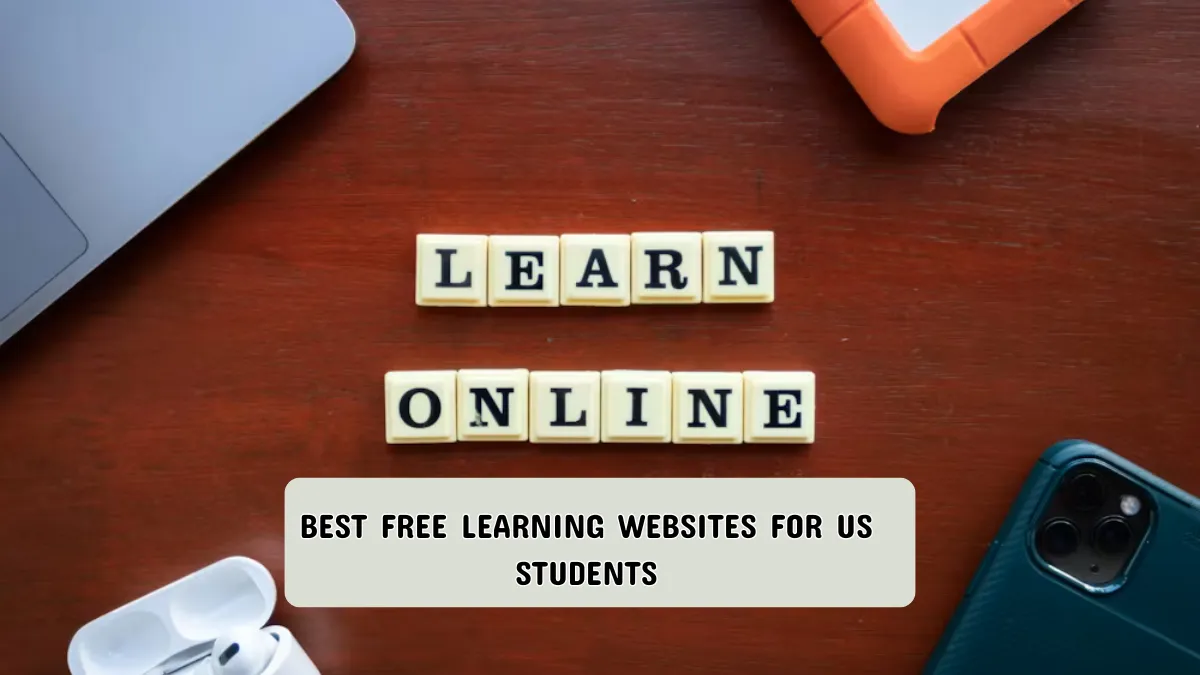
Education in the United States is valuable, but it can also be expensive. Many students struggle to afford textbooks, courses, or tutoring services. At the same time, the need for extra study help and skill development keeps growing—especially with online classes becoming a major part of learning.
Thankfully, there are several trusted websites that offer completely free educational content. These platforms give students at all levels—middle school, high school, college, or even working adults—an opportunity to learn at their own pace without financial stress.

Why Students Turn to Free Learning Platforms
The main reason students seek out free websites is simple: cost. College tuition, private tutoring, and educational materials can add up quickly. Not every family can afford paid learning subscriptions or classes.
Another reason is flexibility. Free online platforms allow learners to study anytime and anywhere—whether it’s a high schooler preparing for exams, a college student learning coding, or an adult brushing up on writing skills.
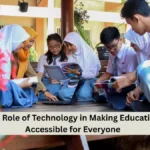
Finally, free learning sites often make education more accessible. Students in rural areas or those with limited internet data can access downloadable lessons or lightweight mobile tools that work even on slower connections.
Step-by-Step: How to Find the Right Free Learning Site
Finding the best resource depends on your subject, grade level, and goals. Here’s a simple process to help you get started:
- Identify your learning goal. Are you improving school grades, preparing for college tests, or learning a new skill like coding or writing?
- Check subject coverage. Make sure the website includes your topic—math, science, English, or another field.
- Look for interactive tools. Sites that include videos, quizzes, or games help you retain more information.
- Test for reliability. Choose platforms with well-known universities, teachers, or organizations behind them.
- Start small. Begin with one or two subjects before adding more. This helps you stay consistent.
Best Free Learning Websites for US Students
1. Khan Academy
Khan Academy is one of the most trusted free learning platforms for US students. It offers short, easy-to-follow lessons in subjects like math, science, history, and economics. Students can track progress through quizzes and practice exercises. Teachers often recommend it for homework help and test preparation.
2. Coursera (Free Courses Section)
While Coursera hosts paid programs, it also provides hundreds of free courses from top universities such as Yale and Stanford. You can audit classes in computer science, data analysis, psychology, or writing without paying. It’s ideal for high school seniors and college students exploring future careers.
3. edX (Free Audit Option)
Founded by Harvard and MIT, edX allows learners to take college-level courses for free. Subjects range from engineering and biology to literature and leadership. Though you can pay for certificates, the lessons themselves are accessible at no cost.
4. Duolingo
If you’re learning a new language, Duolingo is a fun and effective option. It uses game-like lessons that help with vocabulary, grammar, and pronunciation. Many US students use it alongside their school coursework to practice Spanish, French, or other languages.

5. PBS LearningMedia
PBS offers free educational videos, interactive lessons, and teacher resources for K–12 students. It’s especially strong in science and social studies, with materials aligned to US school standards. Parents also find it useful for home learning.
6. Codecademy (Free Plan)
For students interested in technology, Codecademy’s free plan includes coding basics in HTML, Python, and JavaScript. The interactive exercises guide you step by step, making it a great start for beginners looking into software or web development.
7. OpenStax
Operated by Rice University, OpenStax provides free, peer-reviewed textbooks for college and high school students. You can download books in subjects like physics, biology, and economics. It’s an excellent resource for students trying to save money on textbooks.
8. National Geographic Kids
Perfect for younger learners, National Geographic Kids combines reading, videos, and games about animals, geography, and the environment. It encourages curiosity while supporting school science lessons.
9. FutureLearn
FutureLearn partners with universities worldwide to offer free short courses. Students can join discussions and learn from professors through structured modules. It’s a good platform for those who prefer guided, time-limited courses.
10. Project Gutenberg
For literature students, Project Gutenberg provides over 70,000 free eBooks, including American classics and public-domain works. It’s a valuable resource for English and history assignments.
Helpful Tips for Using Free Learning Websites
- Stay consistent. Set a schedule to study a few minutes daily instead of cramming once a week.
- Mix study formats. Combine videos, reading, and quizzes for better understanding.
- Take notes. Writing down key points improves memory retention.
- Avoid distractions. Study in a quiet space or use apps that block social media while learning.
- Join discussion forums. Many platforms have communities where you can ask questions and share progress.
Common Mistakes to Avoid
- Relying only on one source. Combine multiple websites to get different perspectives on the same topic.
- Skipping practice exercises. Without testing your knowledge, it’s easy to forget lessons.
- Ignoring official curriculum. Free sites are useful, but always align your study with your school’s requirements.
- Not checking credibility. Avoid random sites with unclear sources or outdated content.
FAQs
Are these websites safe for children to use?
Yes. Most of the platforms listed, such as PBS LearningMedia and Khan Academy, are family-friendly and designed for student use. Parents can also monitor activity easily.
Can I earn certificates from free courses?
Some websites like edX and Coursera offer free auditing options, but certificates usually require payment. However, the knowledge itself is free.
Do these websites require sign-up?
Some require free accounts to track progress, while others let you learn without registration. Signing up helps save your lessons and results.
Can adults use these learning platforms?
Absolutely. Many adults use these sites for career development, test prep, or personal interest learning. They’re not limited to school students.
Are there mobile apps for these websites?
Yes. Most major platforms like Duolingo, Khan Academy, and Coursera have mobile apps available on Android and iOS.
Conclusion: Learning Without Limits
Free learning websites have made education more open and flexible than ever before. Whether you’re a middle school student catching up on math, a college student exploring new subjects, or an adult improving your skills, these platforms make it possible to learn anytime—without spending a dime.
By choosing reliable, easy-to-use resources and maintaining a consistent study routine, US students can build valuable knowledge and confidence for the future—no tuition or subscription required.
✨ You May Also Like ✨