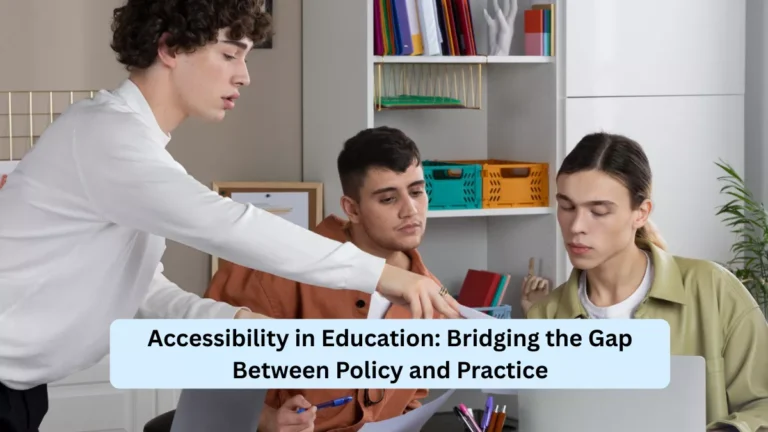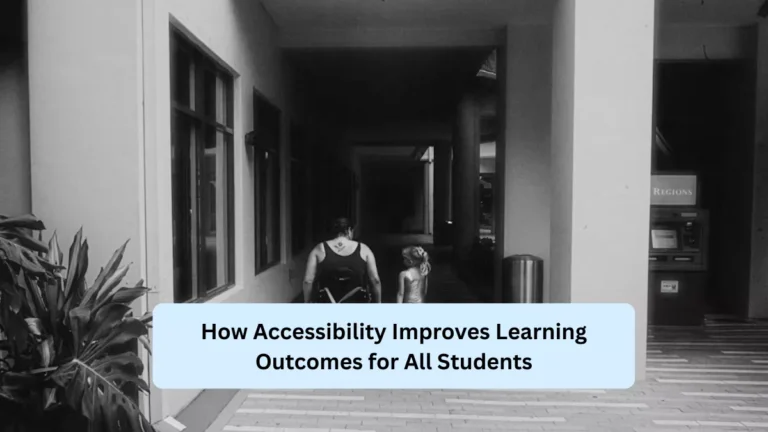

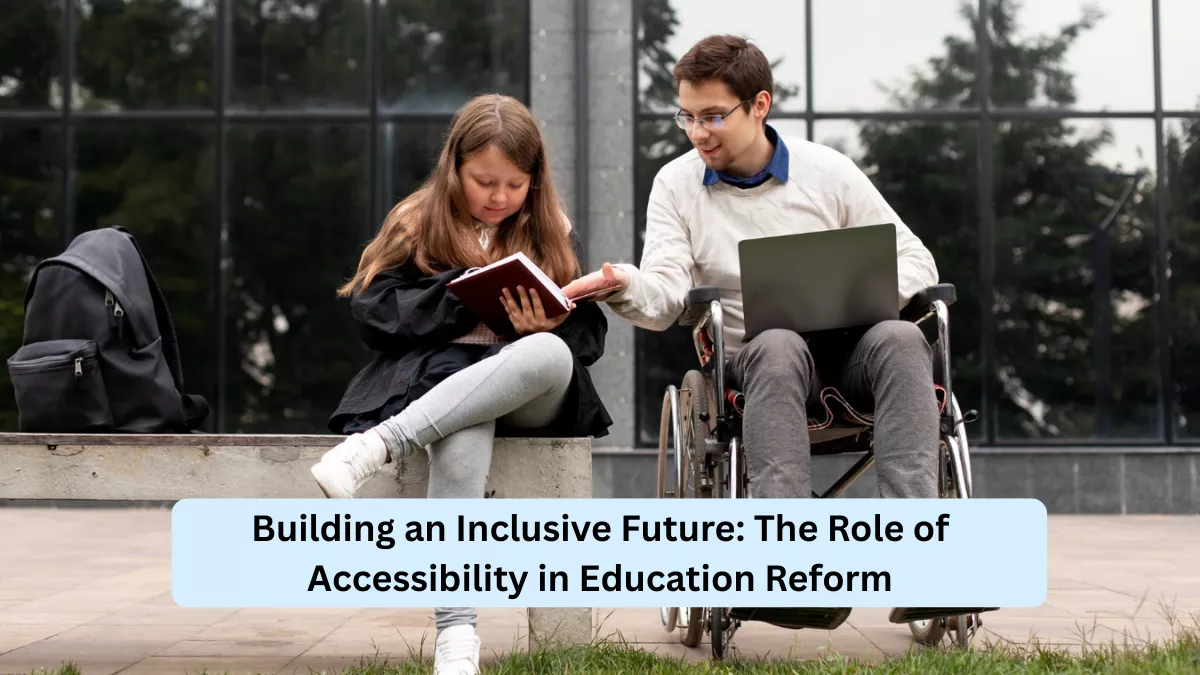
Education has always been a cornerstone of personal growth and societal development. Yet, despite decades of progress, accessibility in education remains a pressing issue. For millions of students worldwide, barriers—whether physical, digital, or social—limit the ability to engage fully in learning environments. The significance of accessibility in education reform extends beyond compliance or social justice; it is about ensuring that every learner has equitable opportunities to reach their potential. By prioritizing accessibility, policymakers, educators, and institutions can reshape the future of education, creating environments that are inclusive, adaptive, and empowering for all.
Inclusive education is not merely an aspirational ideal; it is a practical necessity in today’s increasingly diverse world. Students come from varied socioeconomic backgrounds, possess different learning abilities, and face unique challenges. Without thoughtful reform that integrates accessibility into every facet of the education system, these differences risk translating into gaps in achievement, opportunity, and long-term life outcomes. By understanding the role of accessibility and implementing reforms that center it, educators can foster environments where diversity is valued, challenges are addressed proactively, and students are supported in achieving academic success.

Understanding Accessibility in Education
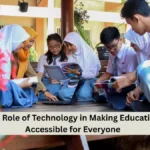
Accessibility in education refers to designing and implementing teaching practices, learning materials, and institutional policies that accommodate students of all abilities. This includes students with physical disabilities, learning differences, or chronic illnesses, as well as those who face social or economic barriers. Accessibility ensures that educational content is perceivable, understandable, and actionable for everyone, regardless of their unique circumstances. In practical terms, this might involve providing adaptive technologies for students with visual or hearing impairments, developing curricula that address diverse learning styles, or ensuring that classrooms and online platforms are navigable for all users.
One critical aspect of accessibility is technology. In modern classrooms, digital platforms are integral to instruction, collaboration, and assessment. Without accessible design, technology can inadvertently exclude students. Features such as screen readers, closed captioning, text-to-speech tools, and customizable interface settings help bridge this gap. Schools that prioritize digital accessibility not only comply with legal standards but also create richer learning experiences, enabling all students to participate fully and meaningfully.
The Legal and Ethical Imperative
The drive for accessibility in education is underpinned by both legal and ethical considerations. Numerous countries have enacted legislation requiring educational institutions to provide equal access to students with disabilities. Beyond legal compliance, accessibility represents an ethical commitment to fairness and equity. It reflects a societal acknowledgment that education is a fundamental right, not a privilege. When schools adopt inclusive practices, they signal a broader commitment to human dignity and the belief that every student’s potential is valuable.
Ethically, accessibility also addresses systemic inequities that affect marginalized groups. Students from low-income families, rural areas, or underrepresented communities often encounter barriers that are compounded by inadequate resources or discriminatory practices. Ensuring accessibility is a proactive strategy to dismantle these inequities, creating conditions where all students have a fair chance to succeed academically and socially.
Accessibility as a Catalyst for Innovation
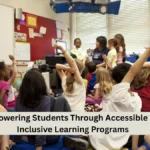
Integrating accessibility into education reform can serve as a catalyst for innovation. When educators focus on inclusive design, they often develop creative solutions that benefit all learners, not just those with specific needs. For example, the use of universal design principles—creating materials and environments usable by everyone—can lead to more engaging and effective instruction. Visual aids, interactive media, flexible assessment methods, and adaptive learning platforms can enhance comprehension and retention for all students, regardless of ability.
Technology-driven solutions have become especially transformative. Artificial intelligence, machine learning, and adaptive software can personalize learning experiences, tailoring content to individual needs. These innovations allow educators to monitor progress more accurately, identify areas requiring support, and adjust instruction dynamically. By embedding accessibility into education reform, schools not only support students with disabilities but also elevate teaching and learning quality across the board.
Overcoming Common Barriers
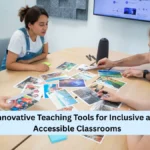
Despite progress, significant barriers to accessibility persist. Physical infrastructure often remains inaccessible to students with mobility challenges, while outdated teaching practices fail to accommodate diverse learning styles. Additionally, educators may lack training in inclusive strategies, or schools may face resource constraints that limit their ability to implement accommodations. Overcoming these obstacles requires a multi-faceted approach.
Professional development is a critical component. Teachers equipped with knowledge of accessibility tools and inclusive pedagogy are better able to recognize and address students’ unique needs. Collaboration between educators, administrators, and policymakers is also essential to allocate resources effectively, redesign curricula, and integrate accessibility into institutional planning. Furthermore, engagement with students and families provides valuable insight into real-world challenges, ensuring that reforms are grounded in lived experiences rather than theoretical ideals.
Building an Accessible Curriculum
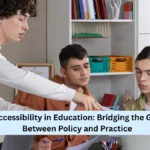
Curriculum design plays a central role in accessibility. Inclusive curricula acknowledge diverse perspectives, learning styles, and abilities. Textbooks, assignments, and digital materials should be adaptable, offering multiple ways to engage with content. This might include multimedia resources for auditory or visual learners, scaffolded assignments for students who need extra support, or project-based learning that allows students to demonstrate understanding in varied formats. By embedding accessibility into curriculum development, educators foster environments that are responsive to individual needs while maintaining high academic standards.
Assessment practices are equally important. Traditional testing methods often fail to capture the full range of students’ abilities. Alternative assessment strategies, such as portfolio reviews, oral presentations, or adaptive testing, can provide a more accurate representation of learning outcomes. Inclusive assessments ensure that students are evaluated on their knowledge and skills rather than their ability to conform to a narrow format.
Policy and Institutional Reform
For accessibility to have a lasting impact, it must be embedded in policy and institutional frameworks. Governments and educational authorities play a crucial role in establishing standards, allocating funding, and monitoring compliance. Policies should prioritize inclusive infrastructure, equitable resource distribution, and accountability measures that track progress toward accessibility goals. Institutions, in turn, must implement these policies through strategic planning, staff training, and continuous evaluation.
Institutional commitment also extends to fostering an inclusive culture. Accessibility should not be seen as an optional feature but as a core value guiding decision-making at all levels. When schools embrace this mindset, students feel supported and valued, educators are empowered to innovate, and communities benefit from a more equitable education system.
The Social and Economic Benefits
Accessibility in education has far-reaching social and economic benefits. Inclusive education promotes social cohesion by encouraging empathy, collaboration, and respect for diversity. Students who learn in accessible environments are more likely to develop critical social skills and a sense of civic responsibility. Economically, accessible education expands the talent pool by equipping more individuals with the skills needed for higher education and employment. This not only benefits students individually but also strengthens society by fostering a workforce that is diverse, skilled, and adaptable.
Furthermore, accessible education reduces long-term costs associated with remediation and social support. When students are given equitable opportunities from the outset, they are more likely to succeed academically, pursue higher education, and contribute productively to society. This creates a cycle of empowerment, where accessibility leads to opportunity, and opportunity generates sustainable societal growth.
Practical Steps for Educators and Institutions
Achieving accessibility in education requires practical, actionable steps. Educators can start by evaluating current teaching practices and identifying areas where students face barriers. This includes reviewing classroom layouts, digital platforms, and instructional materials. Collaboration with specialists, such as occupational therapists, assistive technology experts, and special education professionals, can provide additional insight and resources.
Institutions should prioritize investment in infrastructure and technology that supports accessibility. This includes wheelchair-accessible buildings, adaptive learning software, and assistive devices. Training programs that equip staff with inclusive pedagogical skills are equally critical. Finally, ongoing feedback from students and families ensures that reforms remain responsive to evolving needs and challenges, creating a dynamic, inclusive educational ecosystem.
The Global Perspective
Accessibility in education is a global challenge and opportunity. Different countries face unique obstacles based on economic conditions, cultural attitudes, and policy frameworks. However, the principles of inclusivity and equitable access are universal. International collaborations, knowledge sharing, and adoption of best practices can accelerate progress worldwide. Initiatives such as open educational resources, inclusive technology platforms, and global advocacy for education rights exemplify how accessibility can be advanced on a global scale.
By embracing a global perspective, educators and policymakers can learn from diverse approaches, adapt solutions to local contexts, and create education systems that are resilient, equitable, and future-ready. Accessibility is not only a moral and legal imperative but a strategic investment in the human capital that drives global progress.
Conclusion
Building an inclusive future through accessibility in education is not an abstract ideal—it is a practical, urgent, and achievable goal. By addressing barriers, implementing inclusive curricula, leveraging technology, and fostering institutional commitment, educators can ensure that all students have equitable opportunities to thrive. Accessibility enhances learning for everyone, drives innovation, and strengthens society socially and economically. The path to inclusive education requires dedication, collaboration, and continuous evaluation, but the rewards—a fairer, more equitable, and empowered society—are immeasurable.
Prioritizing accessibility is a commitment to recognizing the value and potential of every learner. By integrating accessibility into education reform at every level, from classrooms to policy, we can build a future where no student is left behind, and every individual has the tools to succeed.
FAQs
What is educational accessibility?
Educational accessibility ensures all students, regardless of ability, can engage with and benefit from learning materials and environments.
Why is accessibility important in education reform?
Accessibility promotes equity, removes barriers, and enables all students to achieve their academic and personal potential.
How can technology support accessible learning?
Adaptive software, screen readers, and text-to-speech tools allow all students to access and engage with digital learning materials.
What are common barriers to inclusive education?
Barriers include physical inaccessibility, outdated teaching methods, lack of resources, and insufficient teacher training.
How can schools implement accessible curricula?
Schools can provide multiple learning formats, alternative assessments, adaptive tools, and inclusive teaching strategies for all students.
✨ You May Also Like ✨