
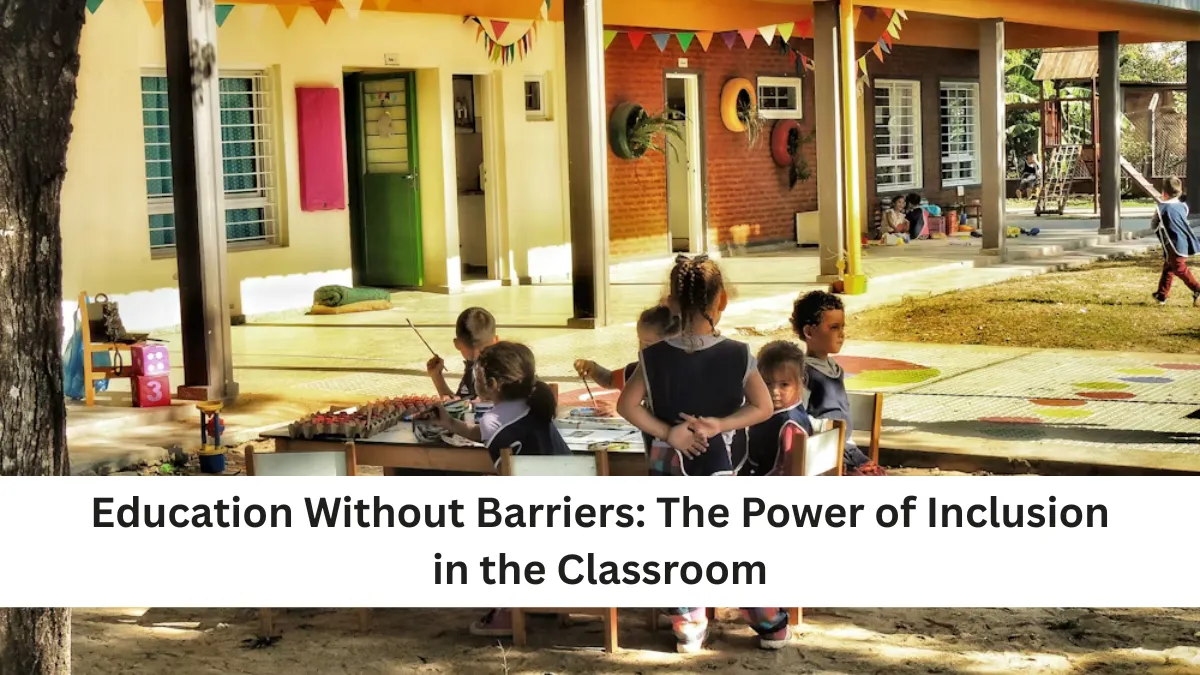
Imagine a classroom where every child feels seen, valued, and empowered to learn—regardless of ability, background, or circumstance. This is not a dream or a distant ideal; it is the foundation of inclusive education. Inclusion transforms schools into spaces where diversity is not merely accepted but celebrated. In a world that is becoming increasingly interconnected, the power of inclusion lies in creating environments that nurture empathy, respect, and collaboration among students of all abilities.
The topic matters deeply because inclusion is more than a teaching strategy—it is a moral and social imperative. As global education systems strive for equality, inclusive education ensures that no child is left behind. Readers who explore this subject will gain a deeper understanding of how inclusion breaks barriers, strengthens communities, and improves learning outcomes for all. This article delves into what inclusive education truly means, why it matters, and how teachers, parents, and policymakers can work together to make classrooms accessible to every learner.

Understanding Inclusion in Education
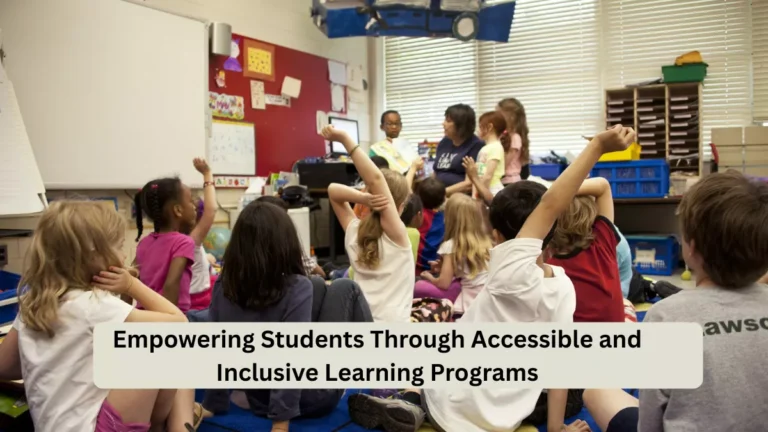
Inclusive education refers to the practice of teaching all students together, regardless of physical, intellectual, social, or linguistic differences. Rather than isolating students with special needs or learning difficulties, inclusion integrates them into mainstream classrooms with the necessary support. The goal is not uniformity but equity—giving each student the resources and opportunities they need to succeed.
Inclusion recognizes that every learner is unique. It shifts the focus from what a student cannot do to what they can achieve with the right support. For example, a child with dyslexia may struggle with reading, but with assistive technology and individualized instruction, that same child can thrive. Inclusion, therefore, is not about lowering expectations but about reshaping how success is defined in education.
The Evolution of Inclusive Education
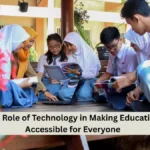
The movement toward inclusive education emerged from broader civil rights efforts in the twentieth century. Initially, students with disabilities were educated in separate schools or classes. Over time, research and advocacy revealed that segregation limited opportunities and reinforced stigma. The concept of “mainstreaming” arose, encouraging partial integration. Today, full inclusion represents the next step—creating environments where all students learn and grow together.
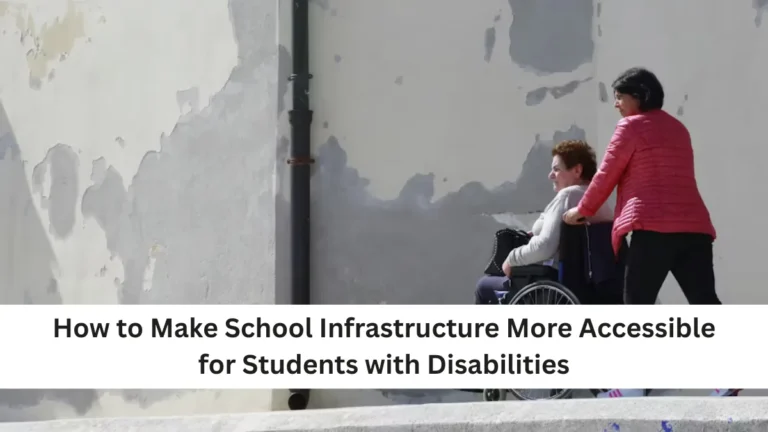
In many countries, education policies now mandate inclusion as a right rather than a privilege. Teachers receive training in differentiated instruction, and schools are equipped with accessibility features such as ramps, resource rooms, and learning aids. These efforts ensure that inclusion is not symbolic but practical and sustainable.
Why Inclusion Matters
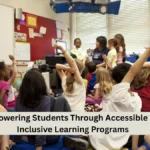
Inclusion benefits everyone, not only students with disabilities or special needs. When classrooms embrace diversity, they foster empathy, patience, and understanding among all learners. Students learn to appreciate differences and to see strength in collaboration. This prepares them for real-world environments where teamwork and acceptance are essential.
Academic outcomes also improve in inclusive settings. Research consistently shows that students with disabilities perform better when taught alongside peers in supportive environments. At the same time, non-disabled students gain enhanced problem-solving and leadership skills. Inclusion thus promotes not only social growth but academic excellence.
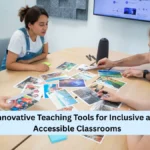
Beyond academics, inclusive education promotes social justice. It challenges stereotypes, dismantles discrimination, and reinforces the idea that education is a human right. By ensuring equal participation, inclusion builds stronger, more cohesive communities where everyone has a voice.
The Role of Teachers in Inclusive Classrooms
Teachers are the cornerstone of successful inclusion. They design lessons that accommodate varied learning styles, ensuring that no student is overlooked. Effective teachers employ flexible strategies such as differentiated instruction, visual aids, cooperative learning, and formative assessment. They use empathy and creativity to make complex concepts accessible to all.
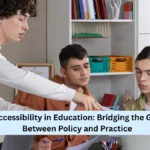
However, inclusive teaching requires more than skill—it demands mindset. Teachers must believe in the potential of every student. For instance, rather than labeling a child as “slow,” an inclusive teacher identifies learning barriers and adapts the environment to overcome them. Professional development and training play a crucial role in equipping teachers with these skills.
Moreover, collaboration is key. Teachers often work with special educators, counselors, and parents to design individualized education plans (IEPs). These plans ensure that support is tailored to each student’s needs, promoting confidence and independence.
Overcoming Challenges in Inclusion
Implementing inclusion is not without obstacles. Schools may face shortages of trained staff, limited resources, or societal resistance. Teachers sometimes struggle to balance the diverse needs of students within one classroom. Addressing these challenges requires systemic commitment.
Governments must allocate funding to provide assistive technologies, teacher training, and infrastructure improvements. Schools must foster a culture of inclusion, emphasizing teamwork among educators and administrative support. Parents, too, must be partners in this journey, reinforcing inclusive values at home.
Resistance often arises from misconceptions. Some believe inclusion lowers academic standards or burdens teachers. In reality, inclusion raises the quality of education by promoting flexible, student-centered learning. The challenge lies not in inclusion itself but in ensuring that systems are equipped to support it effectively.
Technology as a Tool for Inclusion
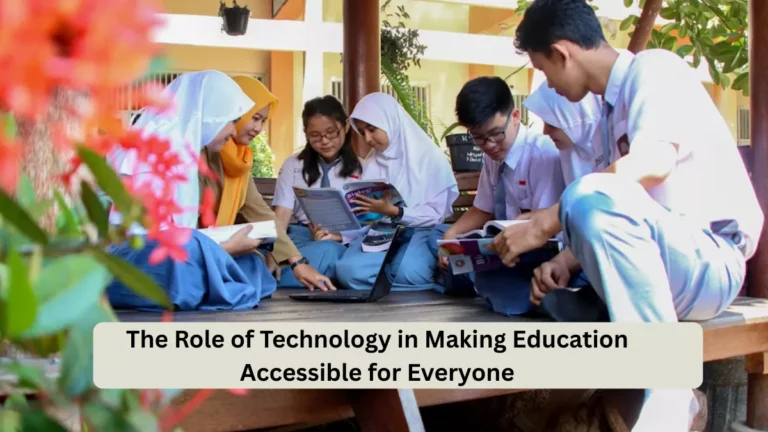
In modern education, technology has become a powerful enabler of inclusion. Assistive technologies such as speech-to-text software, screen readers, and interactive whiteboards allow students with disabilities to participate fully in class activities. Online learning platforms also offer personalized pathways that adapt to each student’s pace and style.
For instance, visually impaired students can use Braille displays to access digital textbooks, while learners with autism can benefit from structured online modules that reduce sensory overload. These tools not only make learning accessible but also empower students to take control of their education.
Teachers can also leverage data analytics to track progress and identify learning gaps. By integrating technology thoughtfully, schools create inclusive environments where every learner can succeed on their own terms.
The Social and Emotional Power of Inclusion
Inclusive education is as much about emotional well-being as it is about academic achievement. When students feel accepted, they develop higher self-esteem and stronger motivation to learn. Belonging to a diverse community teaches empathy and mutual respect, qualities that extend beyond the classroom.
For students with disabilities, inclusion reduces feelings of isolation and promotes friendships. It fosters a sense of normalcy and belonging, which enhances mental health and academic performance. Similarly, peers without disabilities benefit by learning compassion and leadership, shaping them into socially responsible adults.
Inclusion also strengthens the teacher-student relationship. When teachers invest in understanding their students’ individual stories, they build trust and create safe spaces for growth. Emotional inclusion, therefore, becomes the foundation for lifelong learning.
Building an Inclusive Future
Creating inclusive classrooms requires long-term commitment and collaboration among educators, policymakers, and communities. Schools must prioritize teacher training, inclusive curriculum design, and accessible infrastructure. Policymakers should ensure equitable resource allocation so that inclusion does not depend on a school’s location or wealth.
Parents play an equally vital role. By advocating for their children’s rights and participating actively in their education, they reinforce inclusive values both at home and in society. Communities must also challenge stigmas and celebrate diversity, ensuring that inclusion extends beyond classrooms into daily life.
Inclusive education is not a destination but a continuous journey of learning, adaptation, and empathy. It is a promise to future generations that education will remain a right for all, not a privilege for a few.
Conclusion: A Classroom Without Barriers
Education without barriers is the essence of a just society. Inclusion transforms classrooms into mirrors of humanity—diverse, compassionate, and full of potential. By valuing every learner’s abilities, inclusive education not only improves academic outcomes but also shapes individuals who contribute meaningfully to society.
The journey toward inclusion requires patience, resources, and collective effort, but its rewards are immeasurable. When schools embrace inclusion, they nurture not only better students but better citizens. The next step for educators, parents, and policymakers is clear: continue breaking barriers until every classroom welcomes every child.
FAQs
What is inclusive education?
Inclusive education means teaching all students together while meeting their individual learning needs with appropriate support and adaptations.
Why is inclusion important in schools?
It fosters equality, empathy, and better learning outcomes by ensuring every child, regardless of ability, has access to quality education.
How can teachers promote inclusion?
By using flexible teaching methods, understanding diverse needs, and fostering a positive, respectful classroom environment for all learners.
What role does technology play in inclusion?
Technology supports inclusion by providing tools that help students with disabilities participate and learn effectively alongside peers.
What are the challenges of inclusive education?
Key challenges include limited resources, lack of training, and societal stigma, all requiring strong policy and community support to overcome.
✨ You May Also Like ✨