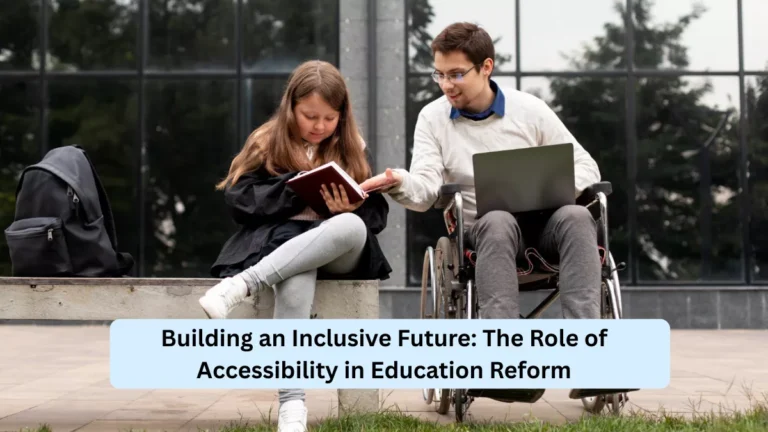
Imagine walking into a classroom where every student, regardless of ability, background, or learning style, feels equally empowered to learn. This vision is not just about fairness—it’s about effectiveness. Accessibility in education is the bridge that connects potential to opportunity. When learning materials, tools, and environments are designed to be inclusive, they enhance understanding, engagement, and performance for everyone.
Accessibility in education isn’t limited to helping students with disabilities; it benefits every learner. It fosters engagement, removes barriers, and supports multiple learning styles. In an age where digital learning tools, hybrid classrooms, and online platforms dominate education, accessibility has become a foundation for success. This article explores how accessibility enhances learning outcomes, why it matters for all students, and how educators can create more inclusive, high-performing learning environments.
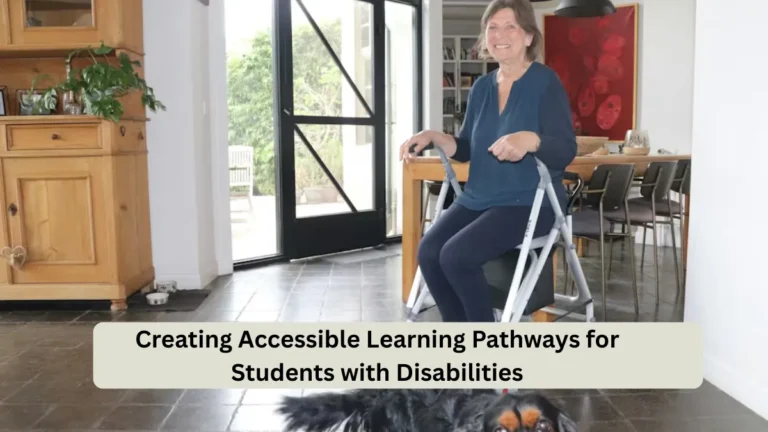
 Creating Accessible Learning Pathways for Students with Disabilities
Understanding Accessibility in Education
Accessibility means designing learning environments, resources, and technologies that can be used by everyone, regardless of their physical, sensory, or cognitive abilities. It goes beyond compliance or policy—it’s about equity and inclusion. A truly accessible classroom allows every learner to participate fully, without needing separate accommodations.
For instance, a video with captions helps a deaf student follow along, but it also benefits those in noisy environments or students who prefer reading over listening. Similarly, text-to-speech tools assist visually impaired students and help those with reading difficulties or attention challenges stay focused. Accessibility is not a special feature—it’s a smart design choice that benefits all.
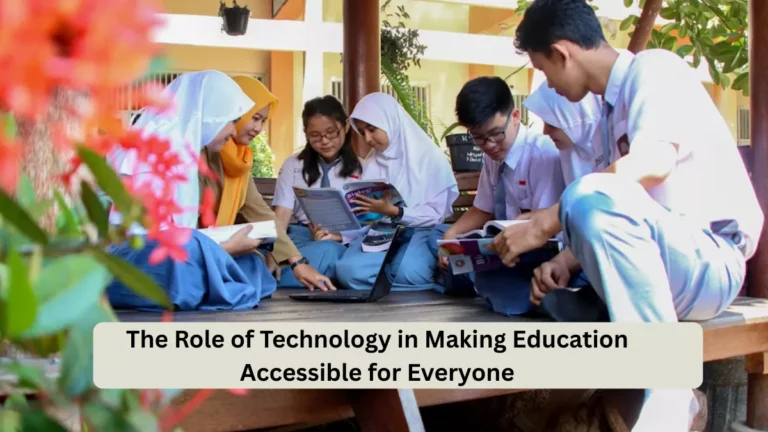
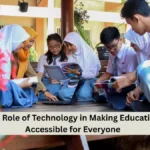 The Role of Technology in Making Education Accessible for Everyone
When schools and institutions prioritize accessibility, they ensure that no learner is left behind. It transforms classrooms into dynamic, adaptable environments where each student can engage in ways that suit their unique needs.
Why Accessibility Matters for All Learners
Many educators mistakenly believe accessibility applies only to students with disabilities. In reality, accessibility supports diverse learners—those with different languages, learning speeds, and even personal circumstances. Every student experiences learning differently, and accessibility ensures those differences are strengths, not barriers.
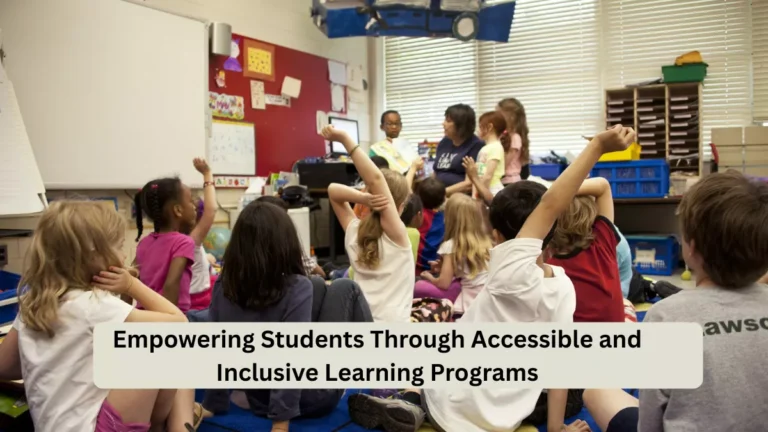
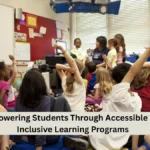 Empowering Students Through Accessible and Inclusive Learning Programs
Accessible learning environments also promote universal design for learning (UDL), an educational framework that encourages flexible teaching methods and multiple means of engagement, representation, and expression. For example, offering both written and visual explanations of a concept supports comprehension for students who process information differently.
Accessibility also encourages inclusivity and empathy within the classroom. Students learn that diversity in learning styles and abilities is normal, not exceptional. This mindset creates communities that value cooperation over competition, leading to healthier academic and emotional growth.
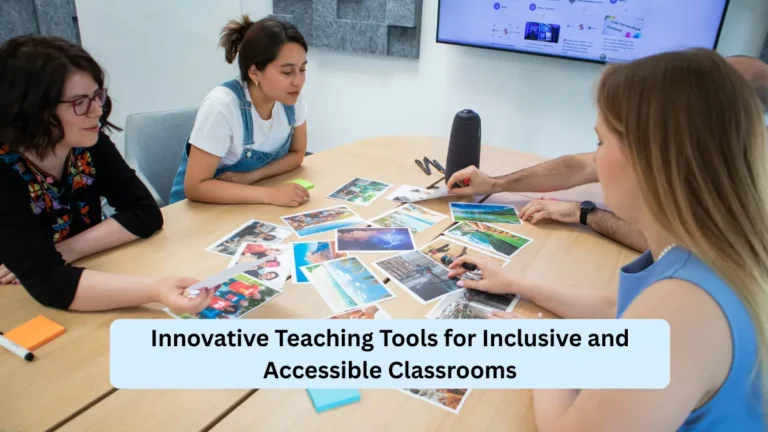
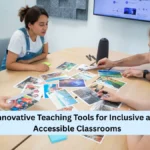 Innovative Teaching Tools for Inclusive and Accessible Classrooms
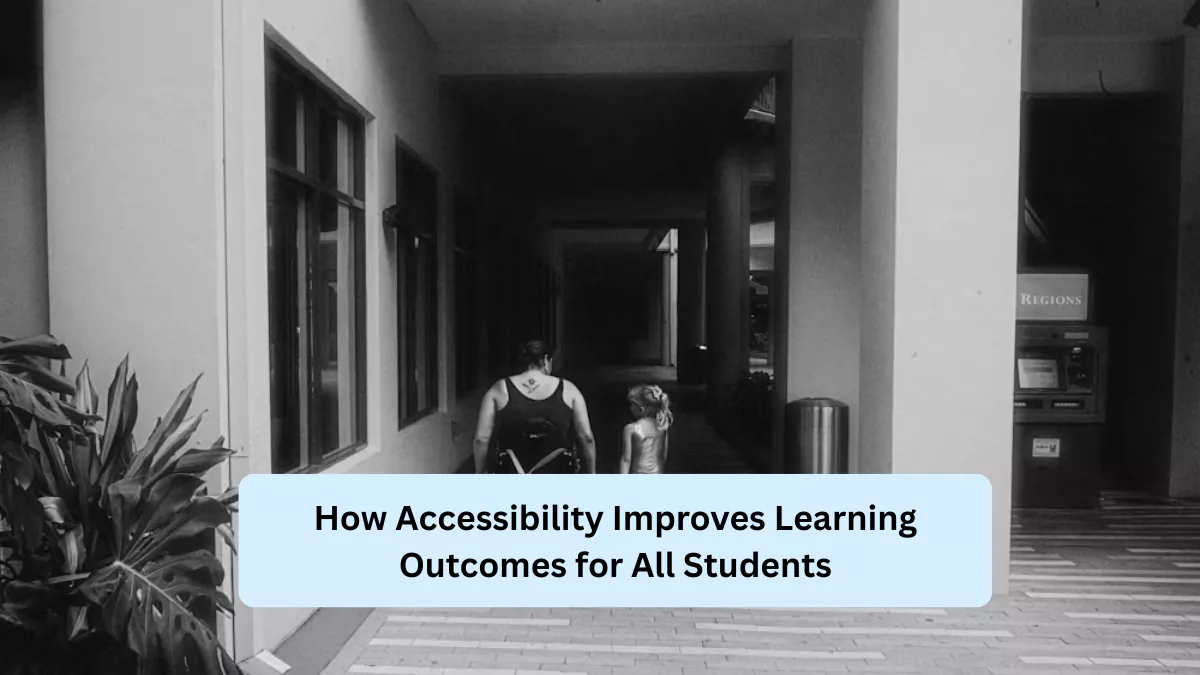
How Accessibility Improves Learning Outcomes
Accessibility improves learning outcomes in measurable and meaningful ways. When learning materials and environments are designed with inclusivity in mind, students show greater engagement, comprehension, and retention.
Accessible materials enhance concentration by removing unnecessary cognitive load. For instance, students who use screen readers or voice recognition software can focus more on understanding content rather than struggling with access. Similarly, visual aids and interactive elements promote deeper learning for those who rely on visual or experiential cues.
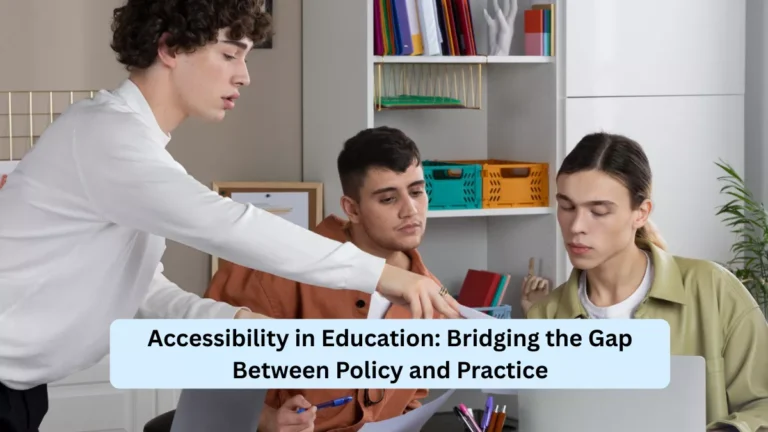
 Accessibility in Education: Bridging the Gap Between Policy and Practice
Students in accessible classrooms often demonstrate higher confidence and self-efficacy. Knowing that their needs are acknowledged allows them to participate more actively. This inclusiveness fosters belonging, reducing dropout rates and increasing academic performance across all demographics.
Teachers also benefit from accessibility. With adaptable materials and tools, educators can personalize instruction and reach a wider range of learners without creating separate plans for each one. In the long run, this approach saves time, enhances efficiency, and improves the quality of education delivered.
Digital Accessibility and Technology Integration
In modern classrooms, technology plays a central role in shaping how students learn. Digital accessibility ensures that online tools, platforms, and multimedia resources are designed to be usable by everyone. This includes considerations such as text readability, keyboard navigation, color contrast, and captioning.
For example, a learning management system (LMS) that supports screen readers allows visually impaired students to navigate assignments independently. Similarly, captioned lectures support not only students with hearing impairments but also multilingual learners who benefit from reading text as they listen.
Technology also enables personalized learning pathways. Tools that allow font resizing, audio narration, or customizable interfaces let students tailor their learning environment. These features promote autonomy and engagement—key components of successful learning outcomes.
Digital accessibility is also crucial in higher education and professional training. As online courses, webinars, and hybrid programs expand, ensuring that all learners can participate fully becomes both an ethical and educational imperative.
The Role of Educators in Promoting Accessibility
Educators are the driving force behind accessible learning. Their awareness, preparation, and empathy determine how effectively accessibility is implemented. To foster accessibility, teachers must first recognize diversity in learning styles and needs. This understanding allows them to design lessons that are flexible, inclusive, and responsive.
Educators can apply accessibility principles by creating materials that use clear, plain language and structured formatting. Providing multiple modes of engagement—such as visuals, discussions, and hands-on activities—ensures that all students grasp core concepts.
Assessment methods should also reflect accessibility. Instead of one-size-fits-all testing, offering alternative ways for students to demonstrate understanding—such as oral presentations, visual projects, or written responses—allows for fair evaluation.
Professional development plays a critical role too. Schools and universities must invest in training educators on accessibility standards, assistive technologies, and inclusive teaching strategies. Empowered teachers create empowered learners.
Overcoming Common Barriers to Accessibility
Despite growing awareness, accessibility remains a challenge in many educational institutions. The most common barriers include lack of training, insufficient resources, outdated technologies, and misconceptions about accessibility being costly or complicated.
However, accessibility does not always require large budgets. Often, small adjustments—like using readable fonts, high-contrast visuals, or providing transcripts—make a big difference. Schools can gradually adopt universal design practices, ensuring that accessibility becomes part of their culture rather than an afterthought.
Leadership support is crucial. Administrators must champion accessibility as a shared responsibility and integrate it into institutional policies, technology procurement, and curriculum design. Collaboration between educators, students, and technology specialists ensures consistent and effective implementation.
When accessibility is viewed not as an obligation but as a strategy for excellence, schools transform into inclusive ecosystems that nurture every learner’s potential.
Accessibility as a Driver of Innovation
Accessibility inspires creativity and innovation in education. When educators design for inclusion, they push the boundaries of what learning can look like. For instance, developing gamified lessons with adaptive difficulty levels not only supports learners with disabilities but also engages all students more effectively.
Inclusive design also drives technological progress. Many mainstream tools—like voice assistants, predictive text, and closed captions—originated from accessibility innovations. These technologies have become integral to modern communication and learning.
By prioritizing accessibility, schools and organizations not only meet ethical and legal standards but also position themselves at the forefront of educational transformation. Inclusive education creates better thinkers, problem-solvers, and innovators prepared for an interconnected world.
Building a Culture of Accessibility
Creating an accessible learning environment requires more than tools—it demands a cultural shift. Accessibility should be woven into every stage of educational design, from planning and teaching to assessment and feedback.
Students, educators, and administrators must view accessibility as everyone’s responsibility. Encouraging open dialogue about learning challenges and needs helps build empathy and understanding. Schools can also involve students in testing and improving accessibility features, giving them a sense of ownership and inclusion.
A culture of accessibility values progress over perfection. Continuous evaluation, feedback, and adaptation ensure that the learning environment evolves alongside technological and pedagogical advancements.
Conclusion
Accessibility is not merely an accommodation—it’s an essential component of quality education. When learning environments are inclusive by design, every student benefits. Accessibility enhances engagement, understanding, and retention, while empowering learners to take control of their education.
By embracing accessibility, educators and institutions move closer to realizing the true purpose of education: to empower all learners, equally and effectively. The future of learning lies in environments where every student, regardless of ability, can thrive without barriers.
To make this vision a reality, educators, policymakers, and technologists must collaborate to integrate accessibility into every aspect of education. It’s not just about inclusion—it’s about creating excellence for all.
FAQs
What does accessibility in education mean?
Accessibility ensures all students can fully participate in learning, regardless of physical, sensory, or cognitive abilities.
How does accessibility benefit all students?
It enhances engagement, supports diverse learning styles, and removes barriers that limit understanding or participation.
What role do teachers play in accessibility?
Teachers create inclusive, flexible lessons, and fair assessments that meet every learner’s unique needs.
Why is digital accessibility important today?
It ensures that online tools, multimedia, and platforms are usable by everyone, promoting equal access to education.
How can schools improve accessibility?
By training educators, adopting inclusive technologies, and embedding accessibility into curriculum and policy design.
✨ You May Also Like ✨