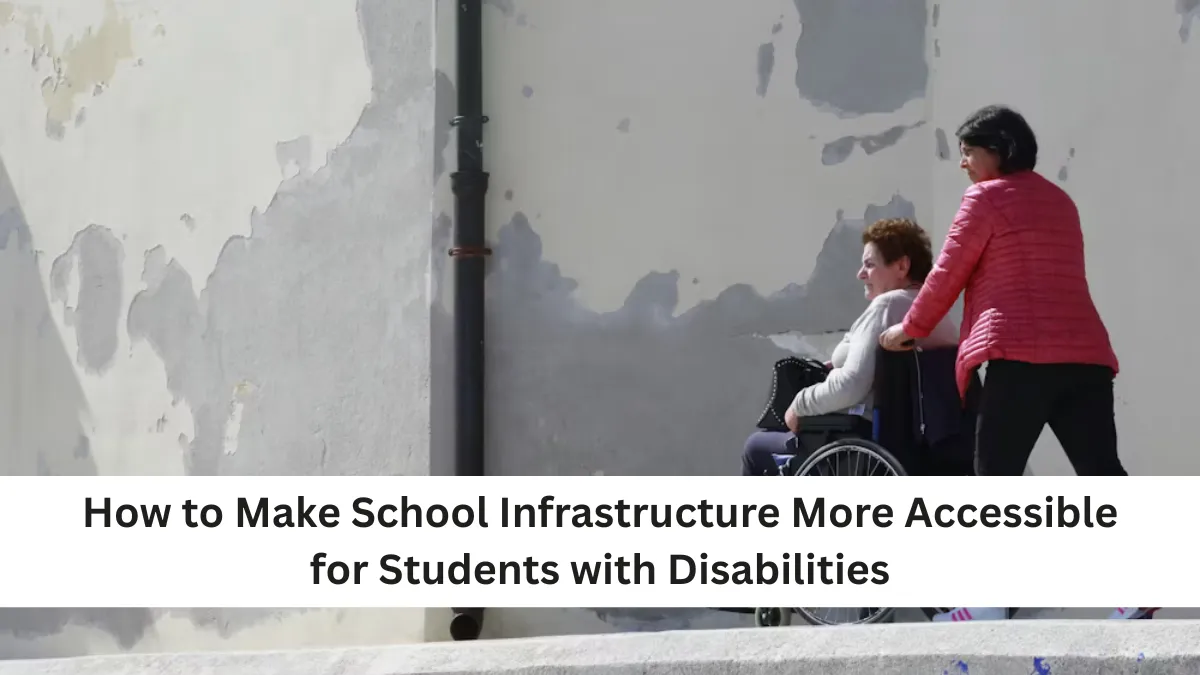
Imagine a bright, curious child eager to learn but unable to enter a classroom because the school building lacks a ramp or an accessible restroom. For many students with disabilities, this is a daily reality. Accessibility in school infrastructure is not only a legal requirement but also a moral obligation. Schools serve as the foundation of learning, inclusion, and personal growth, yet thousands of students continue to face physical, sensory, and cognitive barriers that hinder their education.
Making schools more accessible means creating an environment where every student, regardless of ability, can learn, participate, and thrive equally. This article explores practical ways to make school infrastructure truly inclusive—covering physical design, digital accessibility, teaching strategies, and community collaboration.
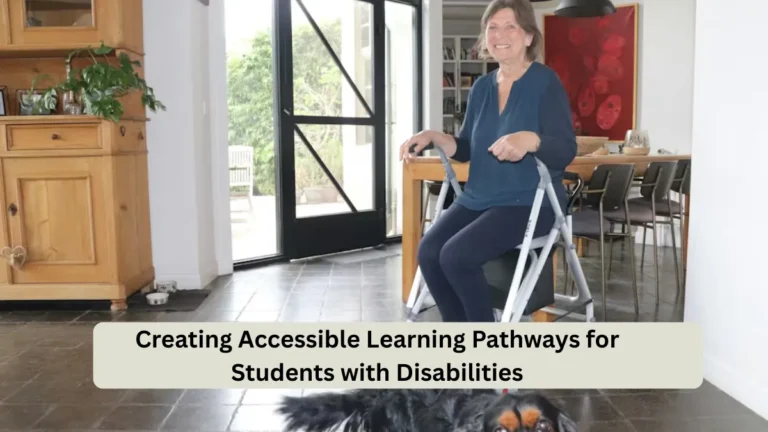
 Creating Accessible Learning Pathways for Students with Disabilities
Understanding Accessibility in Education
Accessibility goes beyond installing ramps or elevators. It means ensuring that the entire school environment—classrooms, libraries, playgrounds, laboratories, and even digital platforms—is designed to support the needs of every learner. An accessible school enables students with physical, visual, auditory, and intellectual disabilities to navigate and learn independently.
This inclusivity extends to learning materials, classroom arrangements, communication methods, and even teacher training. When accessibility becomes a priority, it not only benefits students with disabilities but also enhances comfort and learning efficiency for everyone.
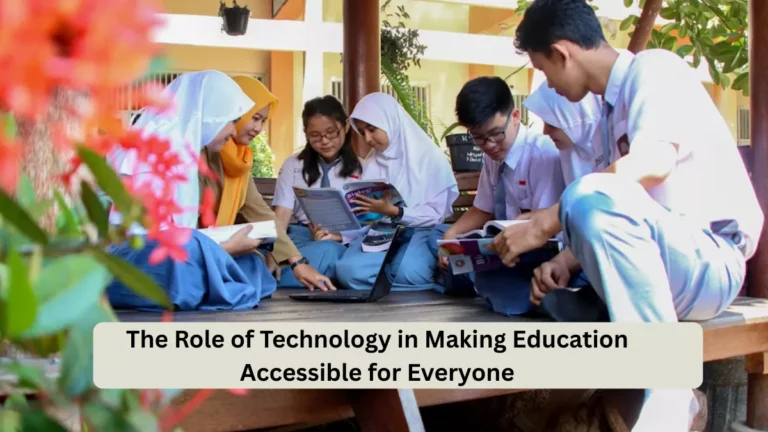
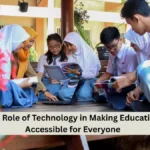 The Role of Technology in Making Education Accessible for Everyone
The Importance of Accessible School Infrastructure
Accessible infrastructure plays a critical role in ensuring equal educational opportunities. Without it, students with disabilities often face isolation, limited participation, or even withdrawal from formal education. Schools that embrace inclusive design promote equality, boost confidence among students, and cultivate empathy and understanding among peers. Accessible infrastructure also helps teachers by providing environments that are easier to manage and adaptable to various needs. Ultimately, accessibility isn’t an extra feature—it is an essential part of quality education.
Physical Accessibility: Building a Barrier-Free Environment
One of the first steps in improving accessibility is ensuring that the physical environment supports all learners. Schools should have wide doorways, non-slip flooring, and ramps with appropriate gradients for wheelchair users. Elevators are vital for multi-story buildings, and tactile paving can assist students with visual impairments in navigating safely. Restrooms should be spacious, with grab bars and adjustable sinks, while classrooms should have flexible furniture arrangements that allow mobility devices to move easily. Even small details—like door handles, signage, and lighting—make a significant difference in accessibility.
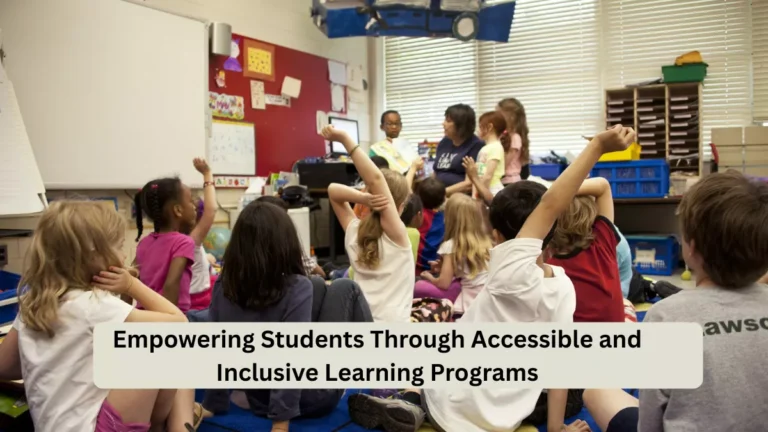
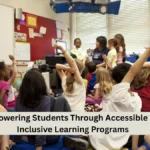 Empowering Students Through Accessible and Inclusive Learning Programs
Outdoor spaces should also be inclusive. Playgrounds can be equipped with wheelchair-accessible swings and sensory play areas that engage all children. School buses should include lifts or ramps for students who use wheelchairs, ensuring that transportation does not become a barrier to attendance. Accessibility should extend beyond compliance—it should become a natural part of how schools are designed and maintained.
Technological Accessibility: Equal Learning in the Digital Age
In modern education, technology plays a powerful role in enhancing learning, but it must be accessible to everyone. Digital accessibility ensures that students with disabilities can use computers, online platforms, and classroom technology independently. This includes screen readers for visually impaired students, captioning for videos to assist those who are deaf or hard of hearing, and voice recognition software for students with motor challenges. Schools should choose learning management systems and educational software designed with universal access principles in mind.
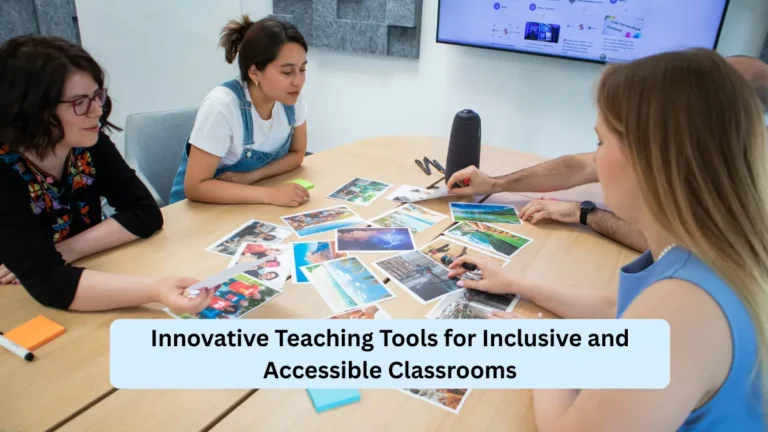
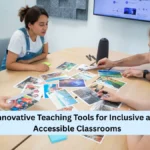 Innovative Teaching Tools for Inclusive and Accessible Classrooms
Teachers should also be trained to use these tools effectively. For example, accessible PowerPoint presentations with descriptive text, readable fonts, and proper color contrast make lessons inclusive. In addition, online materials must follow accessibility guidelines to ensure compatibility with assistive devices. When digital inclusion is embedded in school culture, all students gain equal access to information and opportunities for academic success.
Classroom Design for Inclusive Learning
An accessible classroom is one where every student feels comfortable, respected, and supported. The layout should accommodate mobility aids and provide clear pathways between desks. Desks and chairs with adjustable heights can help students with physical limitations, while acoustic panels can reduce background noise for those with hearing difficulties. Lighting should be bright but not harsh, and color contrasts should aid students with low vision. Teachers can use visual cues, simple instructions, and adaptive tools like large-print books or tactile diagrams to make learning more interactive.
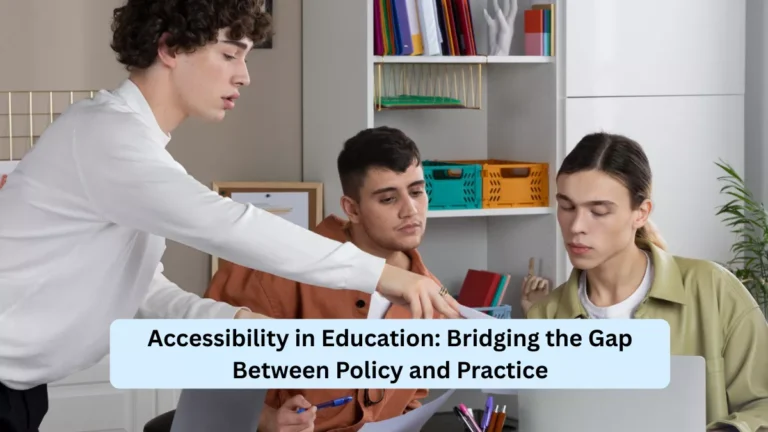
 Accessibility in Education: Bridging the Gap Between Policy and Practice
Beyond physical space, inclusivity also means promoting emotional and cognitive accessibility. Teachers can use differentiated instruction to adapt lessons to different learning styles. Group activities and peer collaboration build empathy and inclusion among students. When classrooms are designed thoughtfully, they become spaces where every child can learn without feeling excluded or overwhelmed.
Teacher Training and Sensitization
Even the most accessible infrastructure is incomplete without well-trained educators who understand inclusivity. Teachers should receive ongoing training in special education, assistive technology, and inclusive teaching practices. Sensitization programs help staff recognize the unique needs of students with disabilities and respond with patience, respect, and empathy. Training can include workshops on communication techniques for students with autism, Braille basics for visually impaired learners, and the use of adaptive devices for physical disabilities. A compassionate teacher can make the difference between a child feeling included or isolated.
Administrators also play an important role in fostering an inclusive culture. By developing school-wide policies that prioritize accessibility, they ensure that inclusivity becomes part of the school’s core values rather than an afterthought. Collaboration with special educators, therapists, and parents can create a support network that benefits all students.
Policy and Community Support
Government policies and community involvement are essential in making accessibility sustainable. Schools should adhere to local and national accessibility laws that require inclusive infrastructure. However, true progress comes when communities actively support accessibility efforts. Parents, local organizations, and NGOs can help schools secure funding, volunteer for improvement projects, or raise awareness about inclusive education. When a community values inclusion, it becomes easier to advocate for better facilities and long-term investment.
Public-private partnerships can also accelerate progress. Collaborations with technology companies can bring affordable assistive devices into classrooms, while construction firms can adopt universal design principles during school renovations. Policymakers should allocate budgets specifically for accessibility upgrades to ensure no student is left behind due to physical or technological barriers.
Evaluating and Maintaining Accessibility Standards
Accessibility should never be a one-time project. Schools must regularly assess their infrastructure and teaching practices to identify gaps and areas for improvement. Conducting annual accessibility audits helps ensure that facilities remain functional and compliant with evolving standards.
Feedback from students, teachers, and parents is invaluable in this process. Regular maintenance ensures that ramps are not blocked, elevators remain functional, and assistive technology stays updated. Schools that continuously improve accessibility not only comply with regulations but also demonstrate commitment to equality and quality education.
The Broader Benefits of Inclusive School Design
Accessibility does not benefit only students with disabilities—it enhances the learning experience for everyone. Universal design makes schools more adaptable, safe, and efficient. For instance, visual signage and ramps help parents, teachers, and visitors as well. By fostering empathy and diversity, inclusive schools prepare students to become compassionate and responsible citizens. A society that invests in accessible education ultimately benefits from greater innovation, productivity, and social harmony.
Conclusion
Creating accessible school infrastructure is not merely about compliance—it’s about fairness, opportunity, and dignity. Every child deserves the chance to learn, explore, and succeed in an environment free from barriers. By improving physical design, embracing assistive technology, training teachers, and strengthening community support, schools can truly embody the spirit of inclusive education. The path to accessibility requires commitment, collaboration, and compassion, but the reward is immeasurable: a world where no child is excluded from learning because of a disability.
FAQs
How can schools become more accessible for students with disabilities?
Schools can enhance accessibility through ramps, elevators, assistive technology, and inclusive classroom layouts.
Why is accessibility important in schools?
Accessibility ensures equal learning opportunities, inclusion, and independence for students with disabilities.
What role do teachers play in accessibility?
Teachers promote accessibility by adapting lessons, using assistive tools, and fostering inclusive classroom practices.
How can technology improve accessibility?
Technology supports accessibility with screen readers, captioning, adaptive software, and voice-enabled devices.
What are examples of accessible school facilities?
Examples include wheelchair ramps, tactile pathways, accessible restrooms, and sensory-friendly classrooms.
✨ You May Also Like ✨