
In today’s rapidly evolving educational landscape, the concept of inclusivity in learning is no longer optional—it is essential. Traditional teaching methods often unintentionally favor certain groups of students, leaving others behind. Inclusive curriculum design ensures that every learner, regardless of their background, abilities, or learning preferences, has equitable access to education. This approach recognizes diversity as a strength rather than a challenge. By implementing inclusive strategies, educators can create learning environments where all students feel valued, supported, and capable of achieving their full potential.
This article will explore the principles and practices of inclusive curriculum design, why it is crucial for modern education, and practical steps teachers and institutions can take to ensure every student can learn.

Understanding Inclusive Curriculum Design
Inclusive curriculum design goes beyond simply accommodating students with disabilities. It is a holistic approach that considers the diverse cognitive, cultural, and socio-economic backgrounds of all learners. At its core, it aims to remove barriers to learning and foster an environment that encourages participation and engagement from every student.
A well-designed inclusive curriculum incorporates multiple learning pathways, recognizing that students absorb information differently. Some may excel through visual aids and interactive activities, while others thrive through auditory instruction or hands-on experiences. By embedding flexibility and adaptability into lesson plans, educators can ensure that the curriculum addresses varied learning styles.
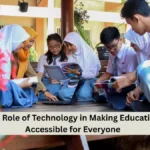
Moreover, inclusivity is about more than accessibility; it involves representation. The materials, examples, and content used in classrooms should reflect the diversity of the student population. This creates a sense of belonging, empowering students to see themselves as part of the educational narrative.
The Importance of Inclusive Curriculum Design
Inclusive curriculum design is vital for several reasons. First, it promotes equity. Students from marginalized or underrepresented groups often face systemic barriers in education. By designing curricula that anticipate these challenges, educators can provide equitable opportunities for learning and growth.
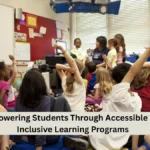
Second, inclusivity enhances academic outcomes. Research shows that students learn better when they feel understood, represented, and supported. Inclusive teaching strategies reduce absenteeism, increase engagement, and improve academic achievement across the board.
Third, it prepares students for real-world diversity. Classrooms are microcosms of society. Students who learn in inclusive environments develop empathy, collaboration skills, and cultural awareness—qualities essential for success in a globalized world.
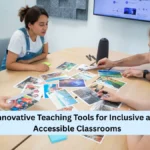
Finally, inclusive curriculum design fosters a positive school culture. When every student can participate meaningfully, the learning environment becomes more respectful, cooperative, and resilient. Students learn to value differences and work collaboratively, strengthening social cohesion within the classroom.
Key Principles of Inclusive Curriculum Design
Several principles guide the development of an inclusive curriculum. One critical principle is flexibility. Learning objectives and teaching methods should be adaptable to meet the unique needs of students. Flexibility ensures that educators can modify lessons without compromising academic rigor.

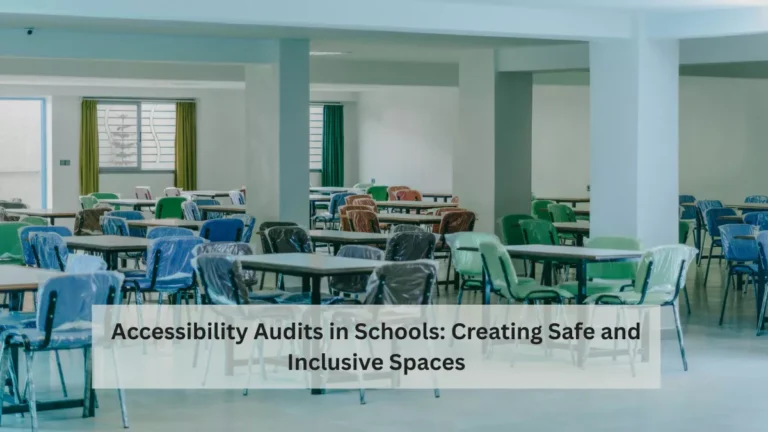
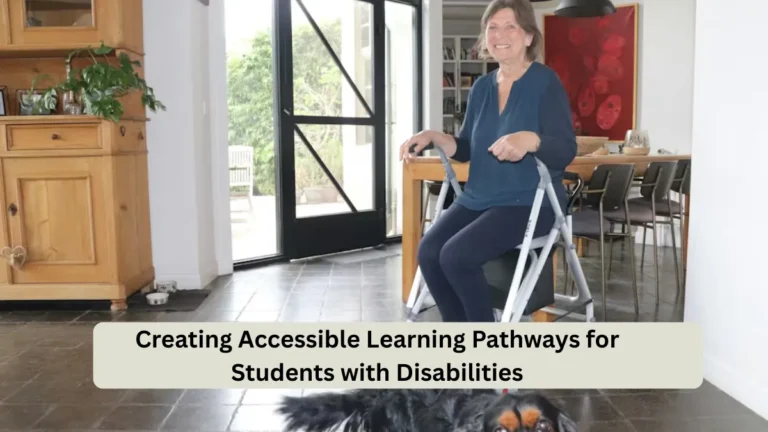
Another principle is accessibility. Educational materials, whether digital or print, must be accessible to students with physical, sensory, or cognitive disabilities. This may involve using screen readers, captioned videos, or adjustable font sizes.
Representation is also essential. Students benefit from seeing themselves reflected in the curriculum, which can include diverse historical perspectives, culturally relevant examples, and inclusive language.
Collaboration forms another cornerstone. Inclusive curricula often encourage peer learning, group discussions, and collaborative projects, enabling students to share perspectives and learn from one another.
Finally, assessment diversity is crucial. Traditional exams may not accurately reflect all students’ capabilities. Offering multiple assessment formats—projects, presentations, portfolios—allows students to demonstrate their learning in ways that align with their strengths.
Implementing Inclusive Strategies in the Classroom
Practical strategies are key to translating theory into effective practice. One approach is differentiated instruction, where educators tailor content, process, and product to accommodate diverse learners. For example, a lesson on fractions might include visual models for spatial learners, storytelling for auditory learners, and hands-on manipulatives for kinesthetic learners.
Universal Design for Learning (UDL) is another framework widely used to create inclusive classrooms. UDL emphasizes multiple means of engagement, representation, and expression. By offering varied ways to interact with content, demonstrate understanding, and stay motivated, UDL ensures that all students can access the curriculum effectively.
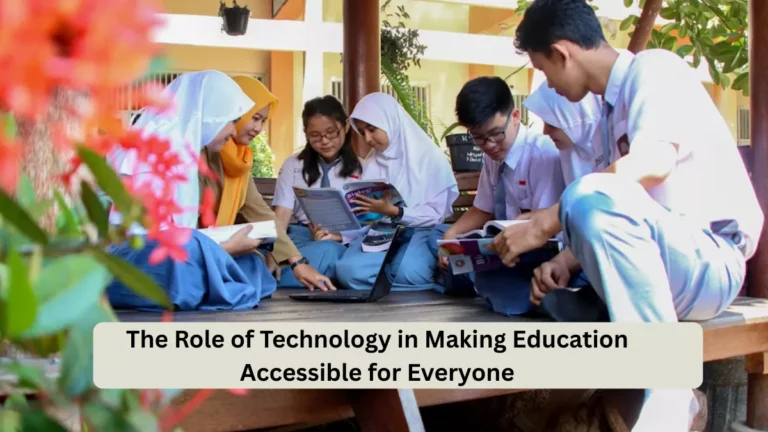
Technology also plays a significant role in inclusion. Digital tools can provide personalized learning experiences, adaptive assessments, and assistive technologies that support students with disabilities. Educational software, speech-to-text programs, and interactive apps allow learners to engage with content at their own pace and style.
Cultural responsiveness is equally important. Teachers should incorporate students’ cultural backgrounds into the curriculum, using examples and narratives that resonate with their experiences. This approach not only validates students’ identities but also enriches learning for the entire class.
Communication and feedback are crucial components. Teachers must establish open channels for students to express their needs and preferences. Regular check-ins, reflective exercises, and formative assessments help educators adjust instruction dynamically, ensuring that no student is left behind.
Overcoming Common Challenges
Implementing an inclusive curriculum is not without obstacles. One challenge is resource limitations. Schools may lack funding for adaptive technologies, professional development, or specialized support staff. Addressing this requires creative solutions, such as community partnerships, grants, and leveraging low-cost digital tools.
Another challenge is teacher preparedness. Not all educators are trained in inclusive practices. Continuous professional development and mentorship programs are essential to equip teachers with the knowledge and skills to implement inclusive strategies effectively.
Bias and resistance can also hinder progress. Educators may unintentionally favor traditional methods or hold preconceived notions about certain student groups. Promoting awareness through training and reflective practice can mitigate these biases and cultivate a more inclusive mindset.
Additionally, balancing curriculum standards with individual needs can be complex. While meeting state or national benchmarks is essential, flexibility must be prioritized to accommodate diverse learners. Integrating differentiated learning objectives within standard requirements helps achieve this balance.
The Role of Assessment in Inclusive Curriculum
Assessment should reflect the principles of inclusion. Traditional standardized tests often disadvantage students with different learning styles or abilities. Inclusive assessment emphasizes multiple forms of evaluation, providing a more comprehensive understanding of student learning.
Formative assessments, such as quizzes, peer reviews, or short reflections, offer ongoing feedback and guide instruction. Summative assessments, including projects, presentations, and portfolios, allow students to showcase their understanding creatively.
Assessment transparency is also critical. Clear criteria and rubrics help students understand expectations and reduce anxiety. When assessments are aligned with diverse learning methods, all students have the opportunity to demonstrate mastery.
Benefits Beyond Academic Achievement
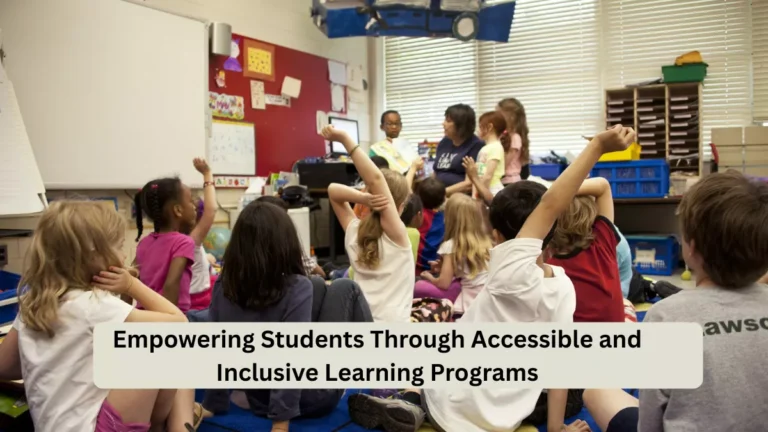
Inclusive curriculum design offers benefits that extend beyond academics. Students develop empathy and social awareness, learning to appreciate different perspectives and experiences. This fosters collaboration and reduces bullying, creating safer, more supportive learning environments.
Inclusive education also cultivates self-confidence and agency. When students feel that their learning needs are acknowledged and supported, they are more likely to take intellectual risks and engage actively with content.
For educators, inclusive curriculum design enhances professional satisfaction. Witnessing the success of every student, regardless of background or ability, reinforces the purpose and impact of teaching.
Actionable Steps for Educators
Educators can take several steps to ensure their curriculum is inclusive. Begin by conducting a curriculum audit to identify gaps in representation, accessibility, and adaptability. Adjust lesson plans to include diverse perspectives and multiple learning modalities.
Invest in professional development, focusing on inclusive teaching strategies, cultural competency, and assistive technologies. Collaborate with colleagues to share resources and best practices.
Engage students in the learning process by offering choice and voice. Allowing students to select topics, project formats, or learning pathways empowers them and accommodates different strengths.
Leverage technology and assistive tools to provide personalized learning experiences. These can include text-to-speech programs, interactive simulations, or adaptive learning software.
Finally, foster a supportive classroom culture. Encourage collaboration, celebrate diversity, and create an environment where every student feels safe to participate and make mistakes.
The Role of Policy and Administration
Inclusive curriculum design requires support at the institutional level. School policies should prioritize equity, allocate resources for inclusive practices, and establish accountability measures for implementation.
Administrators can support teachers by providing access to professional development, offering specialized staff, and ensuring classrooms are physically and digitally accessible. Policies should also encourage community and parental involvement, creating a shared responsibility for inclusive education.
Conclusion
Inclusive curriculum design is no longer a progressive ideal—it is an educational necessity. By embracing diversity, removing barriers, and tailoring instruction to the needs of every student, educators can create classrooms where all learners thrive. Inclusive practices not only improve academic outcomes but also foster empathy, resilience, and a sense of belonging.
The path to inclusion requires commitment, creativity, and collaboration. By auditing curricula, employing flexible strategies, leveraging technology, and cultivating a supportive culture, schools can ensure that every student has the opportunity to succeed. The rewards are profound: empowered students, engaged teachers, and communities that value equity and learning for all.
Inclusive education is not just about meeting standards; it is about reshaping the future of learning so that no student is left behind.
FAQs
What is inclusive curriculum design?
Inclusive curriculum design ensures all students, regardless of ability or background, can access and benefit from learning.
Why is inclusion important in education?
Inclusion promotes equity, improves academic outcomes, and prepares students for diverse real-world environments.
How can teachers make learning more inclusive?
Teachers can use flexible methods, diverse materials, multiple assessments, and technology to support all learners.
What is Universal Design for Learning (UDL)?
UDL is a framework providing multiple ways to engage, represent, and assess learning for all students.
How do schools support inclusive curricula?
Schools support inclusivity through policies, professional development, accessible resources, and fostering a positive culture.
✨ You May Also Like ✨