
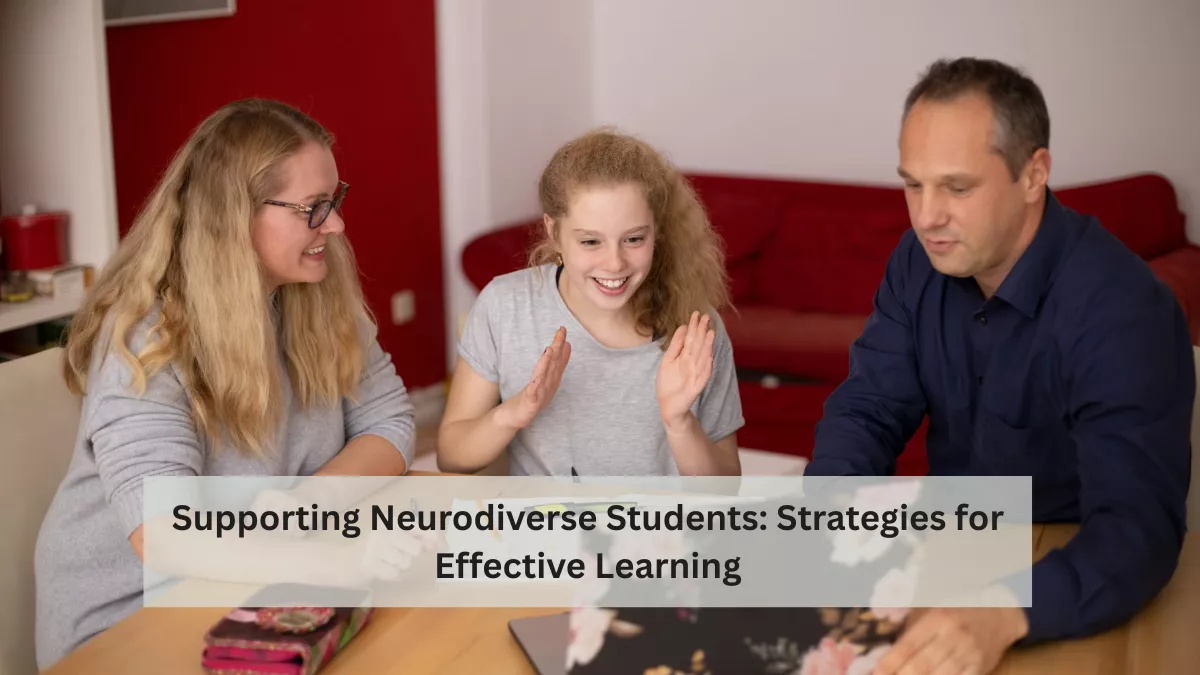
Imagine a classroom where each student’s mind works differently—some think in images, others in patterns, and some require extra structure to thrive. This is the reality of neurodiversity, a concept that recognizes the natural variations in human brain function. In education, neurodiverse students include those with autism spectrum disorder (ASD), attention-deficit/hyperactivity disorder (ADHD), dyslexia, dyspraxia, and other cognitive differences. These learners bring unique strengths and perspectives, yet they often face challenges in traditional learning environments designed for neurotypical students.
Supporting neurodiverse students is not just an act of inclusion; it’s a commitment to equitable education. By embracing diverse learning needs, educators empower students to achieve their fullest potential. This article explores practical strategies to create inclusive classrooms, enhance engagement, and promote effective learning for all. Readers will gain actionable insights to help neurodiverse learners thrive academically and emotionally in supportive environments.

Understanding Neurodiversity in Education
Neurodiversity views brain differences as normal variations rather than disorders. This perspective challenges the idea that there is a single “right” way to learn or think. In schools, this means understanding that a student’s challenges are not deficits but reflections of different processing styles. For example, a student with ADHD may struggle with sustained attention but excel in creative problem-solving. A learner with dyslexia might find reading difficult but demonstrate exceptional spatial reasoning.
Teachers who recognize these strengths can shift their approach from remediation to empowerment. The goal is to identify each student’s learning profile and build on their existing abilities. This mindset fosters acceptance, reduces stigma, and sets the foundation for inclusive education.
Creating Inclusive Classrooms
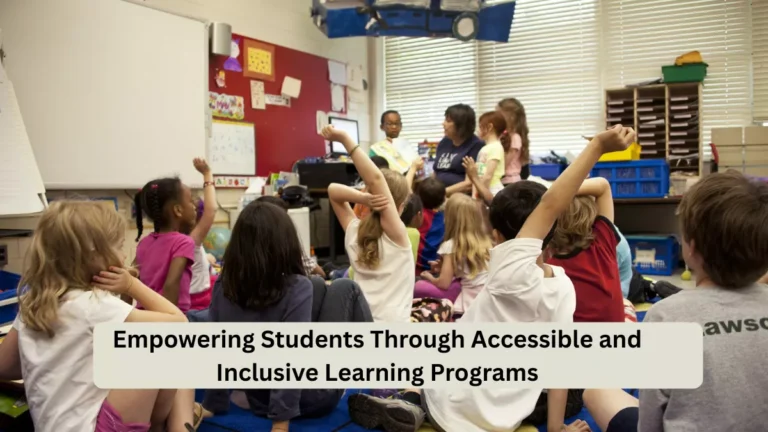
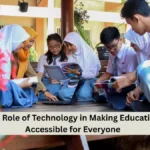
Inclusive classrooms celebrate diversity in learning rather than forcing conformity. This begins with a welcoming environment where every student feels valued. Teachers can use flexible seating arrangements, calm lighting, and visual supports to reduce sensory overload, especially for students on the autism spectrum. Predictable routines also help minimize anxiety by providing structure and consistency.
An inclusive environment encourages collaboration between students of all abilities. Pairing neurodiverse learners with peers during group activities fosters social skills and teamwork while promoting mutual understanding. Teachers play a crucial role as facilitators, ensuring that everyone participates without judgment or exclusion.
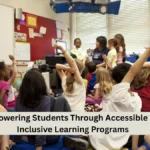
Equally important is the tone set by educators. Language that emphasizes ability rather than limitation builds confidence and belonging. When teachers model respect for differences, it signals to students that diversity is valued, not tolerated.
Differentiating Instruction for Neurodiverse Learners
Effective learning strategies for neurodiverse students hinge on differentiation—tailoring instruction to meet varied needs. Instead of expecting all students to learn the same way, teachers can present material through multiple modes such as visual aids, storytelling, and hands-on activities.
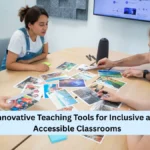
For students with dyslexia, using text-to-speech tools or audiobooks can support reading comprehension. Learners with ADHD may benefit from shorter lessons and movement breaks that help maintain focus. Visual learners often excel when diagrams, color-coded notes, or graphic organizers are integrated into lessons.
It’s essential to offer multiple ways for students to demonstrate understanding. Some may prefer writing essays, while others excel through oral presentations or creative projects. This flexibility allows each learner to showcase their strengths while meeting academic goals.

The Role of Technology in Supporting Neurodiverse Students
Technology can be a powerful ally in inclusive education. Assistive tools such as speech-to-text software, mind-mapping applications, and sensory-friendly devices help remove barriers to learning. For example, students with dysgraphia can use typing tools instead of handwriting assignments, while learners with ADHD may rely on digital timers and reminders to manage time effectively.
Interactive platforms and adaptive learning systems personalize instruction based on each student’s progress. These technologies provide instant feedback, allowing learners to move at their own pace. However, technology should enhance, not replace, human connection. Teachers must ensure that digital tools are used meaningfully and ethically, always supporting the student’s growth rather than creating dependence.
Building Emotional and Social Support
Academic success for neurodiverse students depends heavily on emotional well-being. Many face anxiety, frustration, or low self-esteem due to repeated struggles in traditional classrooms. Teachers can mitigate this by cultivating safe spaces where mistakes are part of the learning process.
Encouraging positive reinforcement rather than punishment builds confidence and resilience. Recognizing effort—rather than just outcomes—motivates students to stay engaged. Emotional check-ins, mindfulness sessions, and social-emotional learning activities can help students manage stress and develop empathy.
Peer support systems also play an essential role. When classmates understand neurodiversity, it reduces bullying and fosters empathy. Group discussions about inclusion teach students to appreciate different perspectives and practice kindness.
The Importance of Collaboration Between Educators and Families
Successful support for neurodiverse learners extends beyond the classroom. Collaboration between educators and families ensures consistency in expectations and strategies. Parents often possess deep insight into their child’s triggers, strengths, and preferences, which can inform teaching approaches.
Regular communication through progress updates, meetings, and shared goal-setting builds trust and alignment. Teachers can also work closely with special education professionals, school psychologists, and occupational therapists to design individualized education plans (IEPs) or accommodations tailored to each student.
When schools and families collaborate, students experience continuity and reassurance. This unified approach empowers children to thrive both academically and personally.
Encouraging Self-Advocacy and Independence
Empowering neurodiverse students to understand their learning styles and communicate their needs is a vital step toward independence. Self-advocacy skills enable them to ask for support, use resources effectively, and take ownership of their education.
Teachers can nurture these skills by modeling self-awareness and offering opportunities for decision-making. For instance, allowing students to choose project formats or preferred learning environments fosters confidence and autonomy. Over time, these habits extend beyond the classroom, preparing them for college, careers, and adult life.
Encouraging goal-setting and reflection helps students recognize their progress and challenges. This practice reinforces self-regulation and teaches persistence—key traits for lifelong learning.
Overcoming Common Challenges
Supporting neurodiverse learners comes with challenges such as limited resources, teacher burnout, and systemic constraints. However, many of these barriers can be addressed through mindset shifts and professional development.
Educators need ongoing training to understand neurodiversity, apply differentiated instruction, and use assistive technologies effectively. Schools must invest in support systems that promote inclusion as a shared responsibility rather than an individual task.
Community awareness campaigns and peer education can further reduce stigma, ensuring that neurodiverse students are not marginalized. When the educational system embraces flexibility and compassion, challenges become opportunities for growth.
Building a Future of Inclusive Learning
The future of education depends on recognizing and nurturing every learner’s potential. Neurodiverse students challenge schools to think beyond standardized models and to reimagine what success looks like. A system that adapts to its learners, rather than expecting learners to adapt to it, creates equitable opportunities for all.
As awareness grows, educators, policymakers, and parents must continue advocating for inclusive practices, equitable funding, and universal access to learning tools. Each step toward inclusion brings education closer to reflecting the true diversity of the human mind.
Conclusion
Supporting neurodiverse students is both a moral imperative and an educational necessity. When educators adopt inclusive practices, they empower every student to participate, succeed, and feel valued. The strategies discussed—ranging from differentiated instruction to emotional support—prove that inclusive education benefits everyone, not just neurodiverse learners.
Creating effective learning environments requires collaboration, empathy, and innovation. By embracing neurodiversity, we build classrooms that celebrate individuality and foster lifelong learning. The key takeaway is clear: inclusion is not a strategy; it is a commitment to understanding and nurturing every learner’s potential.
FAQs
What does neurodiversity mean in education?
It refers to recognizing brain differences as natural and supporting varied learning styles in inclusive classrooms.
How can teachers support neurodiverse learners effectively?
Teachers can differentiate instruction, use visuals, and create structured yet flexible environments.
Why is inclusion important for neurodiverse students?
It ensures equal access to education, reduces stigma, and helps students reach their full potential.
What role does technology play in neurodiverse education?
Assistive tools enhance learning by supporting reading, writing, and attention management needs.
How can families help neurodiverse children succeed?
By collaborating with teachers, offering consistent routines, and reinforcing confidence at home.
✨ You May Also Like ✨