
Imagine a classroom where every child feels valued, supported, and capable of reaching their fullest potential. Inclusive education programs aim to create such environments, but achieving success requires more than just mixing children with diverse abilities together. Early intervention is the cornerstone that enables these programs to truly make a difference.
By identifying developmental delays, learning challenges, and social-emotional needs early, educators and caregivers can provide targeted support that helps children thrive academically, socially, and emotionally. Understanding the significance of early intervention in inclusive education is essential for parents, teachers, and policymakers who wish to ensure that no child is left behind.

Understanding Inclusive Education
Inclusive education is an approach that integrates all children, regardless of their abilities or disabilities, into mainstream classrooms. It emphasizes equal access to education, acceptance of diversity, and fostering a learning environment where every student can participate and succeed. The goal is not merely physical inclusion but meaningful participation in all aspects of the learning experience. This approach benefits not only children with special needs but also their peers, promoting empathy, social awareness, and collaboration from an early age.
However, inclusion alone is not enough. Without early identification of challenges, children may struggle silently, falling behind academically or socially. Early intervention ensures that inclusion is effective by providing the right support at the right time.
What Is Early Intervention?
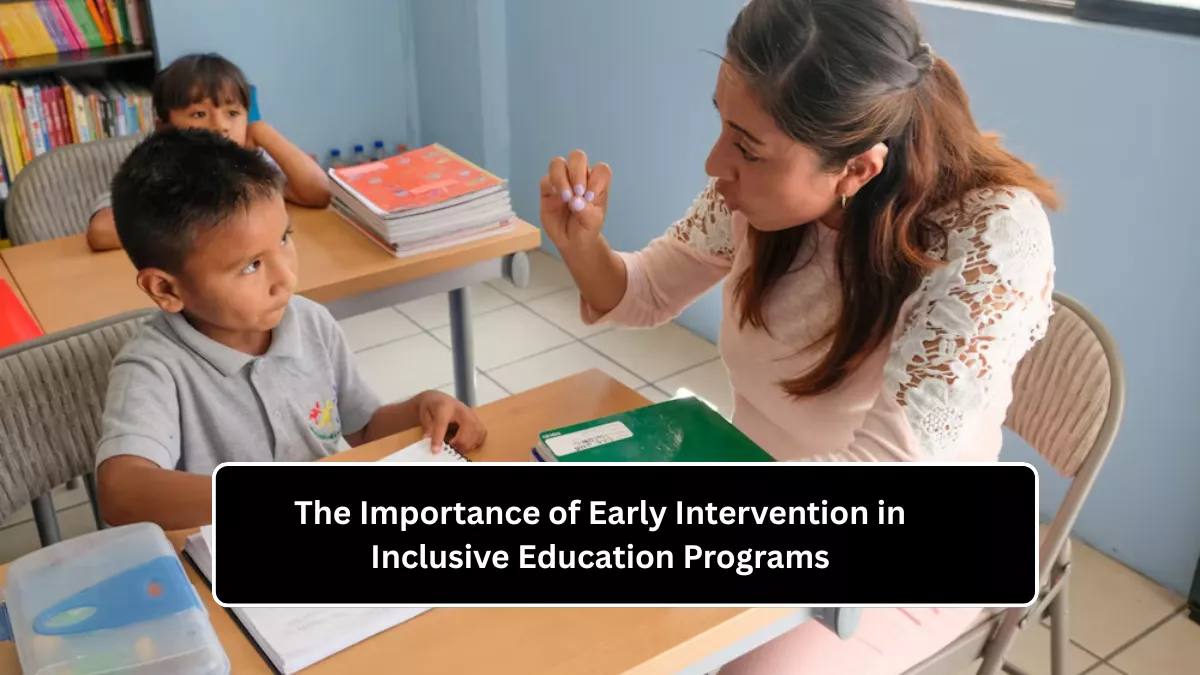
Early intervention refers to specialized support provided to children as soon as developmental delays or learning difficulties are detected, typically from birth to around eight years of age. It involves a range of services, including speech therapy, occupational therapy, behavioral interventions, and individualized learning plans. The earlier these services are implemented, the more effective they are at improving cognitive, emotional, and social outcomes.
Research consistently shows that early intervention has long-lasting benefits. Children who receive timely support are more likely to develop critical skills such as communication, problem-solving, and emotional regulation. They also demonstrate better academic performance and social integration in later years compared to peers who receive delayed or no intervention.
Why Early Intervention Matters in Inclusive Education
Academic Growth
Children with learning challenges often face significant obstacles in traditional classroom settings. Early intervention helps address these barriers before they escalate. For example, a child with a speech delay who receives early speech therapy can improve language skills, enabling them to participate more fully in classroom discussions and literacy activities. By supporting learning early, educators can prevent gaps in knowledge and promote a smoother educational journey.
Social and Emotional Development
Inclusion is not only about academic success; it is also about fostering emotional intelligence and social competence. Children with developmental delays or disabilities may struggle with social interactions, leading to feelings of isolation or frustration. Early intervention programs often include social skills training and emotional support, helping children build friendships, develop empathy, and feel confident in their abilities. These skills are vital for lifelong well-being and integration into society.
Reducing Behavioral Challenges
Many behavioral difficulties stem from frustration, unmet needs, or communication barriers. Early intervention can identify these underlying issues and provide strategies to address them. For instance, a child who has difficulty expressing emotions may benefit from individualized behavioral support or therapy. Addressing these challenges early reduces disruptive behaviors, enhances classroom harmony, and improves the overall learning environment for all students.
Supporting Families
Early intervention in inclusive education programs extends beyond the classroom. Parents and caregivers play a crucial role in a child’s development, and equipping them with knowledge, resources, and strategies can make a significant difference. Family-centered interventions guide parents on how to reinforce learning and social skills at home, creating a consistent support system. This collaborative approach strengthens the impact of inclusive education and ensures children receive the encouragement they need in multiple settings.
Key Strategies for Effective Early Intervention
Individualized Education Plans
One of the most effective tools for supporting children in inclusive classrooms is the Individualized Education Plan (IEP). An IEP outlines a child’s strengths, needs, and specific goals while detailing the accommodations and interventions required to meet those goals. Early assessment and the creation of IEPs enable educators to tailor teaching strategies, materials, and support services to each child, ensuring that learning is accessible and effective.
Multidisciplinary Collaboration
Early intervention in inclusive education requires collaboration among professionals from various disciplines. Teachers, speech therapists, occupational therapists, psychologists, and social workers work together to design and implement comprehensive support plans. This multidisciplinary approach ensures that all aspects of a child’s development are addressed, leading to more holistic outcomes.
Continuous Monitoring and Assessment
Children develop at different rates, and ongoing assessment is crucial to track progress and adjust interventions as needed. Regular monitoring allows educators to identify emerging challenges early and modify strategies to maintain positive growth. Assessment should be multidimensional, encompassing academic skills, communication, social-emotional development, and physical abilities.
Creating an Inclusive Learning Environment
An inclusive classroom is one where diversity is embraced, and all children feel a sense of belonging. Early intervention supports this goal by equipping teachers with the tools to differentiate instruction, use assistive technologies, and implement flexible teaching methods. Classroom environments that are structured, supportive, and responsive to individual needs foster engagement, participation, and confidence.
Real-Life Impact of Early Intervention
Consider a case where a preschool identifies a child with mild developmental delays. Through early intervention, the child receives targeted support in speech, motor skills, and social interaction. By the time the child enters primary school, they can communicate effectively, participate in group activities, and keep pace with academic expectations. Without early intervention, the child may have faced ongoing frustration, academic struggles, and social isolation.
Studies show that children who receive early support in inclusive settings are more likely to graduate from high school, pursue higher education, and enjoy meaningful employment opportunities. Early intervention not only addresses immediate developmental needs but also lays the foundation for lifelong success.
Addressing Challenges in Early Intervention
While the benefits of early intervention are clear, implementing effective programs can be challenging. Limited resources, insufficient training for educators, and lack of awareness among parents can hinder timely support. Addressing these obstacles requires systemic change, including increased funding for early childhood programs, professional development for teachers, and public awareness campaigns about the importance of early detection.
Policymakers and educational leaders must prioritize early intervention by establishing clear guidelines, standards, and accountability measures. Collaboration between schools, healthcare providers, and community organizations can create an integrated network that ensures every child receives the support they need.
Actionable Steps for Parents and Educators
Parents should observe developmental milestones and communicate concerns with teachers or pediatricians promptly. Early screening and assessments are critical for identifying challenges. Educators should adopt inclusive teaching practices, differentiate instruction, and participate in ongoing professional development. Together, families and educators can create a nurturing and responsive environment that maximizes the benefits of early intervention.
Conclusion
Early intervention is not just an optional component of inclusive education; it is its foundation. By addressing developmental delays, learning challenges, and social-emotional needs early, children are given the tools to thrive academically, socially, and emotionally. Inclusive education programs that integrate early intervention strategies foster equity, empathy, and opportunity for all students.
Parents, educators, and policymakers must recognize the transformative power of early intervention and commit to creating supportive environments where every child can succeed. By prioritizing early support, we invest in a future where inclusion is meaningful, impactful, and life-changing.
FAQs
Why is early intervention critical in inclusive education?
Early intervention addresses developmental delays promptly, helping children succeed academically, socially, and emotionally.
At what age should early intervention begin?
Early intervention is most effective from birth to around eight years, when children’s developmental plasticity is high.
How does early intervention benefit social development?
It improves social skills, emotional regulation, and peer interactions, fostering confidence and meaningful relationships.
What role do parents play in early intervention?
Parents provide consistent support, reinforce learning at home, and collaborate with educators and therapists for optimal outcomes.
Can early intervention reduce behavioral challenges?
Yes, early support addresses underlying issues, teaches coping strategies, and minimizes frustration-driven behaviors in children.
✨ You May Also Like ✨