
Creating inclusive educational environments is no longer optional—it is essential. Students come with diverse abilities, backgrounds, and learning preferences, and traditional teaching methods often leave some learners behind. Universal Design for Learning (UDL) offers a framework to ensure that all students, regardless of their needs, can access, engage with, and succeed in learning.
Understanding UDL is crucial for educators, administrators, and policymakers seeking to foster equity and engagement in classrooms. This article explores the principles, strategies, and benefits of UDL, providing actionable insights to create truly inclusive learning spaces.

Understanding Universal Design for Learning
Universal Design for Learning is an educational framework grounded in neuroscience and cognitive science. It was developed to address the variability in how students learn and process information. Unlike one-size-fits-all approaches, UDL emphasizes flexibility in teaching methods, materials, and assessments to accommodate diverse learning needs. Its ultimate goal is to eliminate barriers to learning, providing equal opportunities for success. UDL is not about creating special accommodations for individual students alone but about designing learning environments that naturally include everyone from the start.
The concept emerged from principles of universal design in architecture, where buildings are created to be accessible to all people, regardless of physical ability. Similarly, UDL applies this philosophy to education, ensuring that learning materials, teaching methods, and classroom environments are accessible, engaging, and effective for every student. By anticipating differences in learning, educators can proactively support a wider range of learners instead of reacting to challenges as they arise.
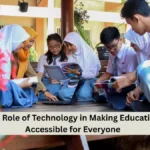
The Three Core Principles of UDL
UDL is guided by three primary principles: providing multiple means of engagement, representation, and action/expression. Each principle addresses a different dimension of learning and helps educators plan lessons that are inclusive and effective.
Multiple Means of Engagement
Engagement is about motivation and interest. Students learn best when they are genuinely involved and see relevance in their learning. UDL encourages teachers to offer multiple ways to stimulate and maintain student engagement. This can involve allowing choice in learning activities, connecting lessons to real-world experiences, or incorporating collaborative projects. By offering variety, educators can reach students who might otherwise disengage due to lack of interest, anxiety, or differing attention spans.
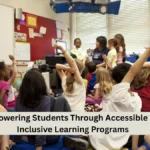
For example, a history lesson could be presented through traditional reading, interactive simulations, or storytelling. Each method addresses different student preferences and helps maintain motivation. Engagement also includes supporting persistence and self-regulation, allowing students to set goals, monitor progress, and receive constructive feedback in a way that works best for them.
Multiple Means of Representation
Representation refers to how information is presented to learners. Not all students process information in the same way; some learn better visually, others auditorily, and others through hands-on experience. UDL encourages providing multiple formats to convey information so that every learner can understand and retain it.
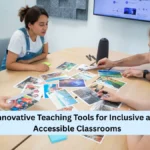
Teachers might use visual aids, infographics, audio recordings, captions, or interactive media alongside traditional texts. Incorporating technology can further enhance accessibility, such as text-to-speech software for students with reading difficulties or videos with closed captions for those with hearing impairments. The goal is to remove barriers to understanding and give students multiple pathways to acquire knowledge.
Multiple Means of Action and Expression
Action and expression focus on how students demonstrate their learning. UDL recognizes that standard assessments, like written tests, may not accurately reflect every student’s abilities. Providing diverse methods of expression allows students to showcase their understanding in ways that align with their strengths.

For instance, learners could complete a project, create a video presentation, write an essay, or participate in a discussion. Offering multiple options empowers students to communicate their learning effectively and reduces frustration or anxiety associated with traditional assessment methods. This approach also cultivates creativity, critical thinking, and problem-solving skills, preparing students for real-world challenges.
Implementing UDL in the Classroom
Successfully applying UDL requires intentional planning and a commitment to flexibility. Teachers can begin by analyzing potential barriers in lesson materials, classroom routines, and assessments. Once these barriers are identified, educators can adapt their methods to provide multiple pathways for engagement, representation, and expression.
One effective strategy is incorporating technology thoughtfully. Learning management systems, digital textbooks, and educational apps can provide varied formats and interactive experiences. Collaborative tools can facilitate group work and peer-to-peer learning, while assistive technologies can support students with disabilities.
Another key approach is fostering a classroom culture of inclusivity. Teachers should model respect for differences, encourage diverse perspectives, and create safe spaces where students feel valued. Ongoing professional development and collaboration with colleagues are also essential, allowing educators to share insights, strategies, and resources for implementing UDL effectively.
Benefits of Universal Design for Learning
The advantages of UDL extend beyond supporting students with disabilities. By addressing diverse learning needs, UDL improves engagement, comprehension, and academic achievement for all learners. Students become more motivated and confident when they have access to multiple pathways for learning and self-expression.
Furthermore, UDL fosters a more equitable education system. It minimizes disparities in learning opportunities and promotes inclusion by designing lessons that accommodate differences from the outset. Teachers also benefit, as UDL encourages creativity in lesson planning and increases their ability to respond to diverse student needs without requiring constant individual accommodations.
Research shows that classrooms implementing UDL experience higher levels of student participation, improved retention of knowledge, and enhanced problem-solving abilities. The approach aligns with modern pedagogical standards that prioritize learner-centered teaching, adaptability, and accessibility.
Challenges and Considerations
While UDL offers significant benefits, its implementation can pose challenges. Teachers may face limited resources, time constraints, or insufficient training in applying UDL principles. Some educators might also struggle with balancing flexibility with curriculum requirements or standardized testing expectations.
Addressing these challenges requires a systemic approach. School administrators must provide professional development, allocate resources for technology and materials, and encourage collaboration among staff. Teachers can start small by gradually integrating UDL strategies into lessons, experimenting with new methods, and reflecting on student outcomes. Over time, these incremental changes can create a fully inclusive learning environment.
Actionable Tips for Educators
To effectively integrate UDL, educators can focus on several practical strategies. Begin by assessing the diversity of learners in your classroom and identifying potential barriers to engagement and comprehension. Next, adapt lesson plans to include multiple representations of content and provide choices in how students interact with materials.
Incorporate varied methods of expression and assessment, allowing students to demonstrate learning through projects, presentations, or alternative assignments. Leverage technology to enhance accessibility and engagement, and foster a classroom culture that celebrates diversity and encourages collaboration. Finally, seek feedback from students regularly to refine strategies and ensure that learning remains inclusive and effective.
The Role of Policy and Leadership
School leaders play a crucial role in promoting UDL. Policies should prioritize inclusivity, allocate resources for training and technology, and create accountability measures for implementation. Leaders must encourage a culture of continuous improvement, supporting teachers as they explore and apply UDL strategies.
Investing in professional development, mentorship programs, and collaborative planning time enables educators to develop expertise in inclusive practices. Leadership commitment signals to staff, students, and the community that accessibility and equity are core values of the institution. When policies align with UDL principles, inclusive education becomes a sustainable and systemic practice rather than an ad hoc effort.
Conclusion
Universal Design for Learning represents a transformative approach to education, ensuring that all students have equitable access to learning. By embracing the principles of engagement, representation, and action/expression, educators can create classrooms that accommodate diverse abilities, preferences, and learning styles.
While challenges exist, thoughtful planning, professional development, and supportive leadership can overcome barriers, resulting in more inclusive, motivating, and effective educational environments. Adopting UDL not only benefits students with disabilities but enhances learning outcomes for all, promoting equity, creativity, and lifelong success.
FAQs
What is Universal Design for Learning?
It is an educational framework that provides flexible methods to accommodate diverse learning needs.
How does UDL improve student engagement?
By offering multiple ways to access content, participate, and express knowledge, engagement increases.
Can UDL work for large classrooms?
Yes, with thoughtful planning, technology, and varied teaching methods, UDL scales effectively.
Is UDL only for students with disabilities?
No, UDL benefits all learners by creating inclusive, flexible learning opportunities.
What are key steps to implement UDL?
Assess barriers, diversify materials, offer choices, use technology, and foster an inclusive classroom.
✨ You May Also Like ✨