In early February 2026, two Bay Area homeowners were blindsided by a financial nightmare that’s rapidly becoming all too familiar: routine mailed payments stolen, altered and cashed by criminals — and their bank refused to refund the losses. The case involving Wells Fargo and nearly $28,000 in property tax payments has reignited debate over where responsibility lies when fraud strikes and what ordinary people must do to protect their money.
This story matters now because millions of Americans still rely on mailed checks for big-ticket bills like property taxes and rent — and mail theft is climbing, drawing new scrutiny from authorities and consumer advocates who say the system is overdue for reform.
 Get $2,000 From IRS in February 2026- Direct Deposit, Eligibility, Payment Dates, and Steps to Receive
How the Fraud Unfolded
In late 2025, Jody and Paul Glaser of Los Altos, California, mailed their annual property tax check — about $28,000 — in a blue USPS collection box outside a post office. Months later, a delinquency notice arrived, even though their bank statement showed the amount had “cleared.”
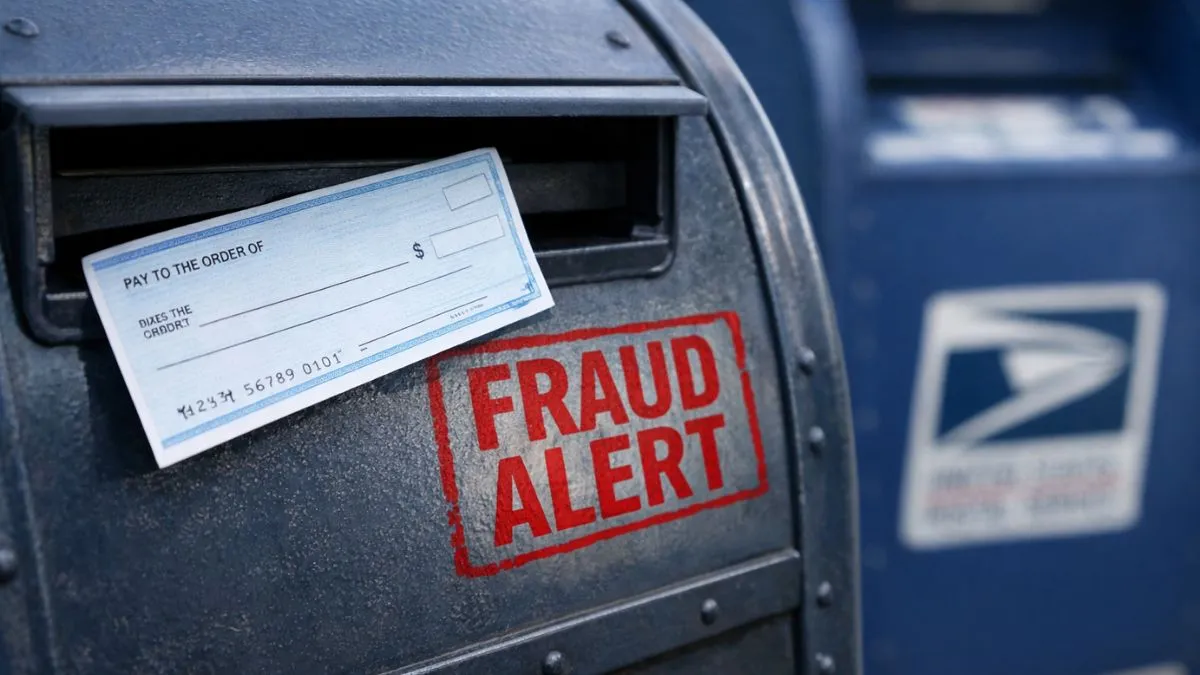
When the couple pulled the digital image of the check from their Wells Fargo account, they saw something shocking: the payee name had been altered. Someone had stolen the mailed check, manipulated the writing — likely with chemicals or iterative pen strokes — to insert a new name, and cashed it at a bank in Minnesota.
 Social Security Benefits Increase in 2026: What Beneficiaries Should Know
This technique — known in fraud prevention circles as “check washing” — involves removing or obscuring original ink so thieves can write in new details. Once deposited or cashed, the money vanishes long before victims realize something’s amiss.
Bank Response: Denial of Refund
Like many consumers, the Glasers assumed their bank would make them whole. Instead, Wells Fargo denied their refund claim, saying the couple had not reported the unauthorized transaction within the required 30-day window after receiving their bank statement.
 Federal Deposit Holds Add 2026: Why $2000 to $3000 Delays After Identity Reviews
Wells Fargo’s deposit account agreement requires customers to review monthly statements and check images for unauthorized activity and report issues within that timeframe. The bank updated its agreement last November to explicitly include check images — though the Glasers argue they couldn’t have known this and had no practical way of spotting fraud based on the limited details shown in statements.
The bank insists that these protections are standard and essential for detecting fraud quickly, but the outcome has raised questions about fairness and practicality — especially for customers who only discover fraud long after mailing and expecting payments to be received normally.
 IRS Today Announced $2,000 Direct Deposit for All – February 2026 New Payment Schedule & Eligibility Guide
Different Outcomes for Different Victims
In a related but smaller incident, another victim, Kathy Pham of San Jose, saw her mailed property tax check of about $2,400 stolen and altered in the same way. Her initial refund claim was also denied, but after an appeal supported by local news coverage, Wells Fargo reversed course and reimbursed her.
The bank did not explain why one case was refunded and another was not, citing customer privacy rules. The uneven outcomes have frustrated consumer advocates and the victims themselves, who say banks should bear more responsibility when fraudsters abuse basic financial instruments most people still use.
 Social Security Payment Update: Millions May Qualify in 2026
Why This Isn’t Just About One Bank
Experts warn this is part of a broader trend. Mail theft is rising nationwide, with criminals targeting envelopes likely to contain checks — from tax payments to utility bills — and altering them for profit. Unlike digital transfers, paper checks carry both the routing and account numbers, meaning thieves can leverage that data in other scams once they have it.
Under federal and state law, consumers generally have the right to dispute and recover unauthorized charges, but those protections often hinge on strict timelines. Failure to flag anomalies quickly — even if the information available to spot them is limited — can leave victims on the hook.
Consumer advocates say banks and regulators should improve how fraud is detected and communicated, while customers need better tools and guidance on closing the gap between trust in mailed payments and modern fraud risks.
How You Can Protect Yourself
Even if your bank offers fraud protections, experts recommend several practical steps:
- Avoid mailing large checks whenever possible. Use secure digital payments or bank bill-pay services that don’t expose paper checks to postal theft.
- Monitor your statements closely. Don’t wait for paper mail; review monthly activity online and download check images for important transactions.
- Report suspected fraud immediately. The sooner a bank and law enforcement know, the better the chance of recovery.
- Consider secure drop-off inside a post office, not outside blue boxes that thieves may target.
What This Means Going Forward
This dispute highlights a growing tension in personal finance: traditional tools like mailed checks are under assault from increasingly sophisticated fraud, and the burden of detection and timing often falls on everyday people. Banks argue that clear reporting guidelines are necessary to manage risk, but customers say those rules can feel unfair when the very evidence needed to spot fraud isn’t obvious.
As digital payment alternatives become more common, lawmakers, regulators and financial institutions may need to rethink how protections work before fraud strikes, not just after. For now, the lesson for most consumers is clear: treat mailed checks as risky, not routine — and act on your statements with urgency.
Takeaway: What happened to these Bay Area homeowners isn’t just a rare headline — it’s a cautionary signal about how financial fraud is evolving. Staying vigilant and pushing for stronger systemic protections could be the difference between a close call and a six-figure loss.
✨ You May Also Like ✨