
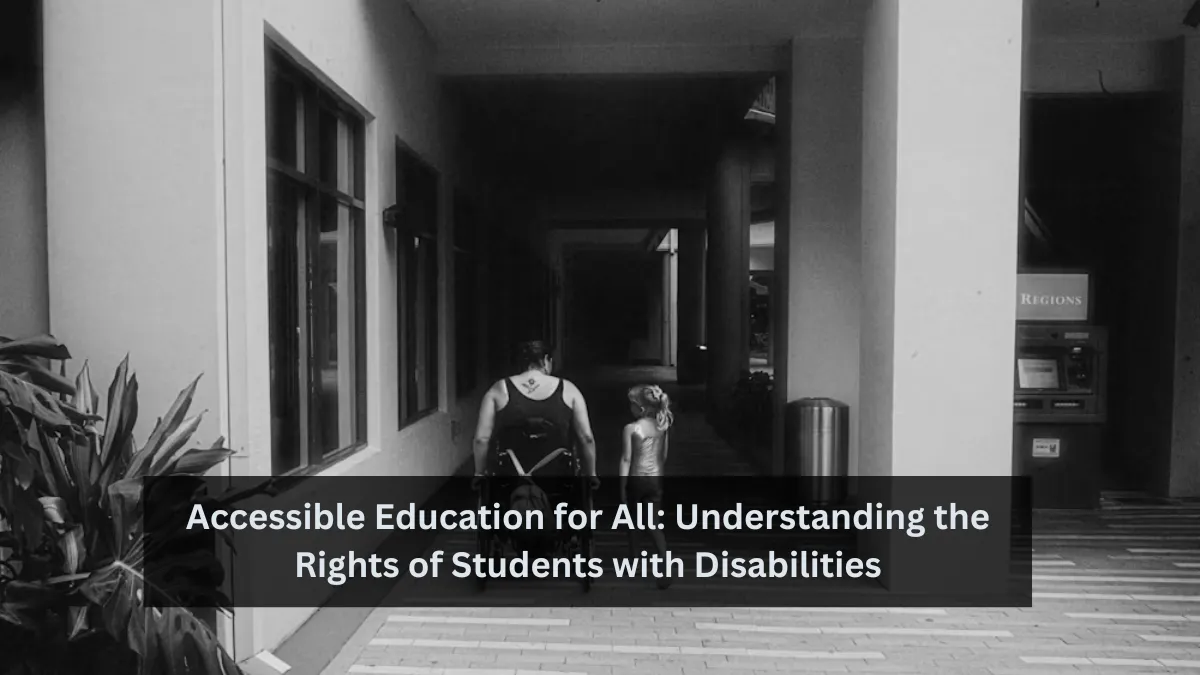
Education is one of the most powerful tools for personal growth and social progress. Yet for millions of students with disabilities, accessing equal learning opportunities remains a challenge. Despite progress in recent decades, many still encounter barriers such as physical inaccessibility, inadequate learning materials, and limited institutional support.
Understanding the rights of students with disabilities is essential not only for families and educators but for society as a whole. This article explores what accessible education truly means, the legal frameworks protecting disabled students, and how educational institutions can ensure inclusive and equitable environments for all learners.

What Accessible Education Really Means
Accessible education is about more than physical access to classrooms. It is a comprehensive approach that ensures students with disabilities can participate fully in every aspect of learning. Accessibility involves adapting teaching methods, materials, and environments to meet diverse needs. This includes using assistive technologies, providing alternative learning formats such as Braille or audio resources, and ensuring teachers are trained to support different learning styles.
True accessibility also includes emotional and social inclusion. Students must feel respected, valued, and supported to reach their full potential. This requires building a culture of acceptance where disability is viewed not as a limitation, but as a natural aspect of human diversity.
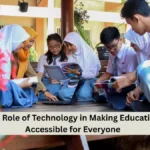
Legal Protections for Students with Disabilities
Several international and national laws protect the educational rights of students with disabilities. Globally, the United Nations Convention on the Rights of Persons with Disabilities (CRPD) emphasizes equal access to education without discrimination. It obligates governments to provide inclusive education systems at all levels.
In the United States, the Individuals with Disabilities Education Act (IDEA) ensures that children with disabilities receive a free and appropriate public education tailored to their unique needs. Section 504 of the Rehabilitation Act of 1973 and the Americans with Disabilities Act (ADA) further prohibit discrimination based on disability in schools, universities, and other educational institutions.
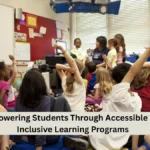
These laws guarantee that students with disabilities are entitled to reasonable accommodations, such as extended test times, accessible facilities, and specialized instructional materials. They also empower families to advocate for individualized education plans (IEPs) that address specific challenges and goals.
The Role of Schools and Universities
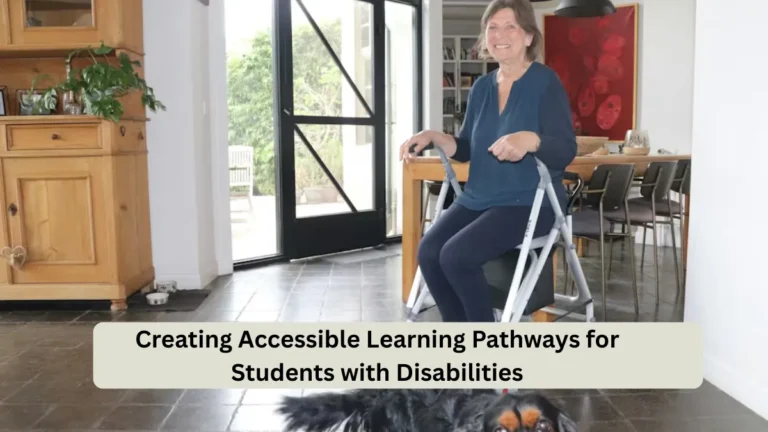
Educational institutions play a pivotal role in creating an inclusive learning environment. Schools must actively identify and remove barriers that prevent full participation. This includes ensuring that physical infrastructure—ramps, elevators, restrooms, and classrooms—is accessible to all students.
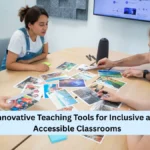
Universities and colleges should provide services like note-taking assistance, captioned videos, and accessible digital content. Professors should design flexible curriculums that accommodate various learning preferences. Training teachers to understand disability rights and inclusive pedagogy is equally crucial. Educators who recognize the importance of accessibility can make small but powerful adjustments, such as allowing extra time for assignments or offering oral instead of written assessments.
Common Barriers Faced by Students with Disabilities
Even with strong legal frameworks, many students still face significant obstacles. Physical barriers such as stairs without ramps, narrow doorways, or non-adaptive classrooms can limit mobility. Communication barriers, such as a lack of sign language interpreters or inaccessible websites, further exclude students.
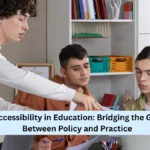
Attitudinal barriers remain among the most damaging. Misconceptions and stigma often lead to exclusion, isolation, or lowered expectations. Teachers or peers who lack awareness may unintentionally contribute to discrimination. Financial limitations can also restrict access to assistive technologies or specialized services.
To address these issues, educational institutions must adopt a proactive approach. Accessibility should not be viewed as a favor or special accommodation but as a fundamental right.
Importance of Inclusive Learning Practices
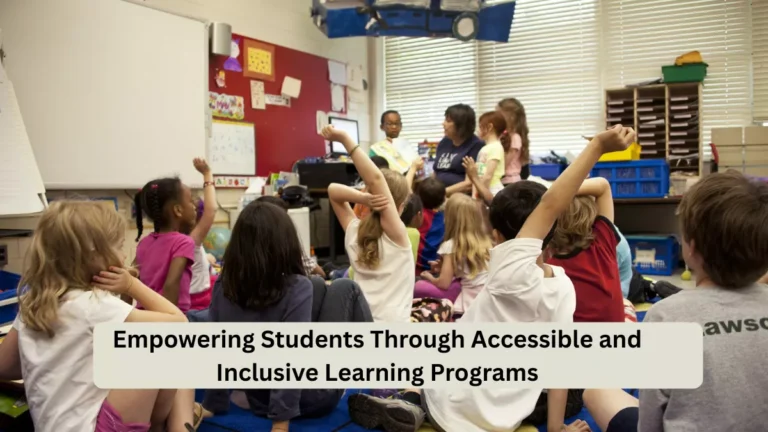
Inclusive learning practices benefit all students, not only those with disabilities. When teachers use diverse instructional methods—visual, auditory, and kinesthetic—they engage broader learning styles. Inclusive classrooms foster empathy, collaboration, and respect among peers.
Teachers can implement Universal Design for Learning (UDL), an educational framework that promotes flexible learning environments. UDL encourages offering multiple ways to represent information, express knowledge, and engage students. For example, providing both written and verbal instructions helps students with different processing strengths.
By designing lessons that are accessible from the start, schools reduce the need for later modifications. This approach shifts the focus from accommodation to genuine inclusion.
Empowering Students and Families
Empowering students with disabilities involves equipping them with the knowledge and confidence to advocate for themselves. Awareness of their rights is the first step toward ensuring those rights are upheld. Families play a vital role in supporting their children’s educational journey, from understanding IEPs to communicating with educators and administrators.
Parents should actively participate in school meetings and collaborate with teachers to tailor learning experiences that suit their child’s abilities. Encouraging self-advocacy helps students gain independence and confidence. When students are involved in decision-making, they become partners in shaping their education rather than passive recipients.
The Role of Technology in Accessibility
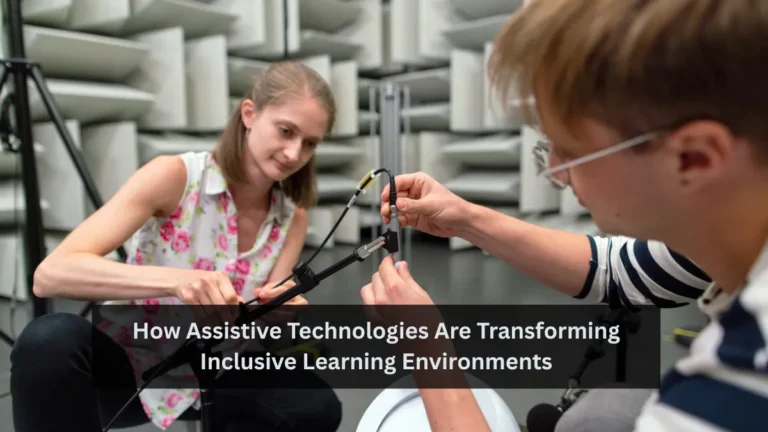
Technology has revolutionized education for students with disabilities. Assistive tools such as screen readers, speech-to-text software, and adaptive keyboards have opened new pathways to learning. Online learning platforms that prioritize accessibility features—such as closed captions, alternative text for images, and keyboard navigation—ensure inclusivity in the digital age.
However, access to technology must be equitable. Schools and governments must ensure that all students, regardless of economic background, have access to necessary devices and reliable internet connections. Technology should bridge the gap, not widen it.
Building an Inclusive Educational Culture
Creating lasting change requires more than policies and tools; it requires a cultural shift. Schools and universities should foster a culture that celebrates diversity and inclusion. Awareness campaigns, sensitivity training, and peer support programs can help change attitudes and break down stereotypes.
Administrators should prioritize accessibility in planning and budgeting, viewing it as an investment in equality rather than an expense. Teachers should continually update their knowledge of inclusive strategies, while students should be encouraged to embrace empathy and cooperation.
Overcoming the Fear of Stigma
One of the greatest challenges for students with disabilities is the fear of being labeled or treated differently. This fear can prevent them from seeking the help or accommodations they need. Schools must work to create safe spaces where students feel comfortable discussing their challenges.
Confidential support systems, such as disability resource centers, can provide guidance without drawing unnecessary attention. Encouraging open discussions about disability helps normalize differences and builds a community based on mutual respect.
Government and Community Responsibilities
Governments must ensure consistent enforcement of disability laws and allocate adequate funding for accessibility initiatives. Communities and advocacy organizations can provide mentorship, counseling, and awareness programs that complement formal education. Public awareness is key to holding institutions accountable.
Society must recognize that accessible education benefits everyone. When all students can contribute their talents, creativity, and perspectives, the entire community grows stronger and more resilient.
Future of Accessible Education
The future of accessible education lies in continuous innovation and collaboration. With the rise of artificial intelligence and virtual learning, there are more opportunities than ever to design inclusive systems. Schools must integrate accessibility into their digital infrastructure from the ground up.
Policymakers, educators, and technologists must work together to close remaining gaps and ensure that accessibility keeps pace with progress. Education should evolve to serve every learner, regardless of ability.
Conclusion: Toward an Equitable Future
Accessible education is not a privilege—it is a right. Students with disabilities deserve the same opportunities to learn, grow, and contribute as anyone else. True inclusion means creating environments where every learner is respected, supported, and empowered.
Parents, educators, and policymakers each have a role to play. Together, they can ensure that accessibility becomes an integral part of the educational system rather than an afterthought. Building an inclusive world begins in the classroom, and every effort toward accessibility brings us one step closer to equity for all.
FAQs
What is accessible education?
Accessible education ensures all students, including those with disabilities, can fully participate in learning without barriers.
What laws protect students with disabilities?
Laws like IDEA, ADA, and Section 504 protect the rights of students with disabilities to equal educational access.
How can schools support disabled students?
Schools can provide accommodations, assistive technology, and trained teachers to promote inclusive learning environments.
Why is inclusive education important?
Inclusive education encourages diversity, empathy, and equal participation, benefiting all students in the classroom.
What role does technology play in accessibility?
Technology provides assistive tools and digital access that help students with disabilities learn effectively and independently.
✨ You May Also Like ✨