
Education is the foundation of every child’s future, yet for millions of students with disabilities, access to quality learning opportunities has long been unequal. Inclusive education is transforming that reality. It goes beyond simply placing students with disabilities in mainstream classrooms—it’s about building systems, attitudes, and environments that value diversity and give every learner the tools they need to succeed. This approach is not only reshaping individual lives but redefining how society perceives capability, equality, and opportunity.
As schools, teachers, and policymakers embrace inclusive education, they are discovering that inclusion benefits everyone—students with disabilities gain confidence and independence, while their peers develop empathy, collaboration, and a deeper understanding of human potential. This article explores how inclusive education breaks barriers, empowers students, and creates classrooms where every child truly belongs.

Overview of Inclusive Education and Its Benefits
| Aspect | Description | Key Benefit |
|---|---|---|
| Definition | Education system that integrates students with disabilities into mainstream classrooms. | Promotes equality and participation. |
| Approach | Focuses on adapting teaching methods, curricula, and environments. | Supports personalized learning. |
| Benefits | Enhances social interaction, empathy, and academic performance. | Builds inclusive communities. |
| Challenges | Requires trained teachers, resources, and policy support. | Encourages systemic change. |
| Future Outlook | Global shift toward inclusion-focused education systems. | Ensures education for all. |
Understanding Inclusive Education
Inclusive education means every student—regardless of ability—has the right to learn, participate, and thrive in general education settings. It rejects the idea of segregation and instead promotes an educational model where diversity is celebrated. This system recognizes that learning differences are natural, not barriers, and that schools must adapt to meet individual needs.
Central to this concept is the idea that inclusion benefits both disabled and non-disabled students. By creating flexible teaching practices, schools help all learners engage in ways that suit their strengths. For instance, a student with visual impairments may learn using tactile or auditory resources, while others enhance their understanding through collaborative learning. The focus shifts from labeling students to supporting diverse learning pathways.
The Core Principles of Inclusive Education
The foundation of inclusive education lies in four guiding principles—accessibility, participation, equity, and respect. Accessibility ensures that every student has physical and intellectual access to education through supportive infrastructure and adaptive materials. Participation emphasizes meaningful engagement, not just attendance. Equity ensures that resources and opportunities are distributed fairly based on needs. Respect fosters a culture where differences are seen as strengths, not limitations.
These principles reflect the broader social goal of equity and justice. Schools that uphold these values prepare students to participate fully in society, empowering them to contribute their unique talents and perspectives. By focusing on these principles, educational institutions move from a charity model to a rights-based model that views inclusion as a moral and legal obligation.
How Inclusive Education Empowers Students with Disabilities
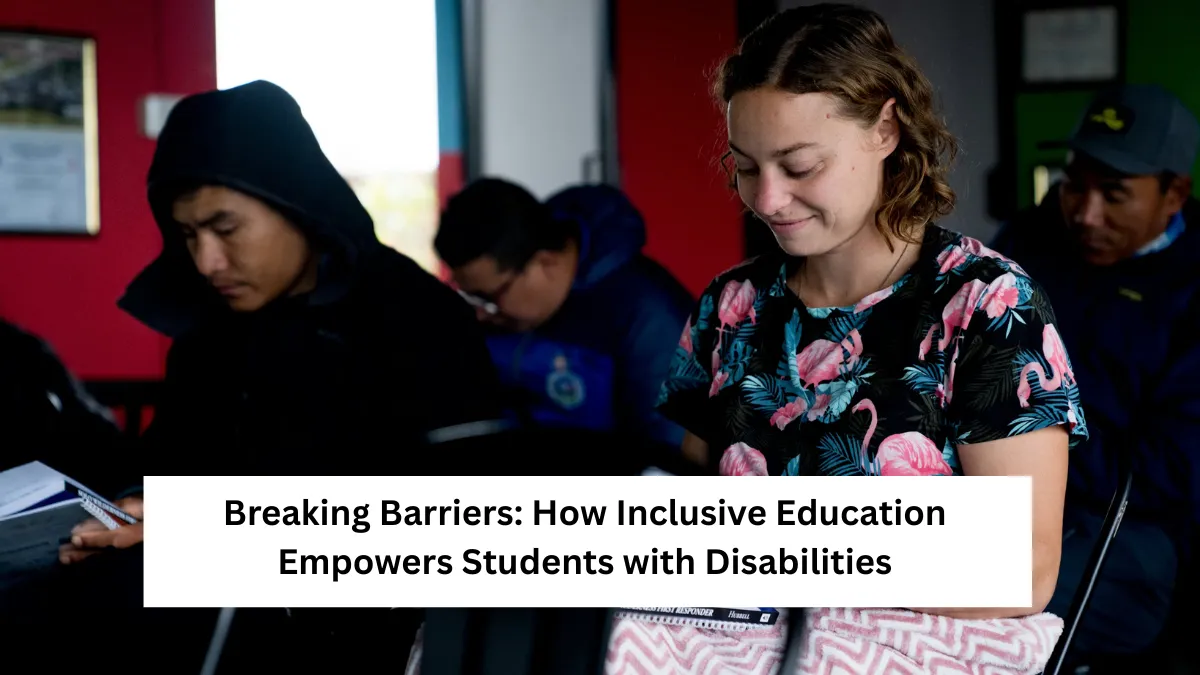
Inclusive education is transformative for students with disabilities because it builds confidence, fosters independence, and nurtures belonging. When students learn in inclusive settings, they are exposed to the same curriculum, expectations, and social experiences as their peers. This exposure enhances self-esteem and motivation.
Moreover, inclusive classrooms encourage collaborative learning. Students with disabilities develop communication and problem-solving skills through interaction, while non-disabled peers learn empathy, patience, and cooperation. Teachers also play a crucial role by differentiating instruction, offering individual support, and celebrating progress rather than perfection. This approach helps all learners understand that success is personal and growth-oriented.
The Role of Teachers and Schools in Building Inclusive Systems
Teachers are the cornerstone of inclusive education. Their attitudes, training, and teaching methods determine the success of inclusion efforts. Educators must be equipped with strategies such as Universal Design for Learning (UDL), which provides flexible teaching methods to accommodate various learning styles. This might include visual aids, assistive technologies, and multi-sensory approaches to instruction.
Schools also need to create inclusive cultures by ensuring that policies, infrastructure, and leadership align with inclusive goals. Accessibility features such as ramps, braille materials, or adjustable desks are essential. Equally important is emotional inclusion—building safe, accepting environments where all students feel valued. When schools model inclusion, communities follow, leading to a broader societal shift toward equality.
Overcoming Challenges in Inclusive Education
Despite its proven benefits, implementing inclusive education faces challenges. Many schools struggle with inadequate funding, lack of teacher training, and limited access to assistive technology. In some regions, negative attitudes and misconceptions about disability still persist, creating social and institutional barriers.
To overcome these obstacles, governments and communities must invest in teacher education, infrastructure, and inclusive policies. Educators should be empowered with continuous professional development to handle diverse classrooms effectively. Parental involvement also plays a vital role; families must collaborate with teachers to support their child’s learning journey. When these systems work together, the barriers that once excluded students with disabilities begin to disappear.
Real-World Examples of Successful Inclusion
Around the world, several educational systems demonstrate the power of inclusion. In Finland, inclusive policies have led to some of the highest literacy and numeracy rates among students with disabilities. Schools use individualized education plans (IEPs) and provide specialized support within general classrooms. Similarly, in Canada, co-teaching models pair general and special educators to support diverse learning needs, ensuring that no student is left behind.
In India, initiatives such as the Samagra Shiksha program aim to make education accessible to children with special needs through teacher training and resource centers. These global examples highlight that inclusion is not a distant dream—it is a practical, achievable model when supported by vision, commitment, and collaboration.
The Psychological and Social Impact of Inclusion
Inclusive education reshapes how students perceive themselves and others. For students with disabilities, being part of a mainstream environment boosts self-worth and emotional well-being. They learn to navigate challenges with resilience, develop friendships, and feel accepted for who they are. This sense of belonging reduces isolation and stigma.
Non-disabled students, meanwhile, grow into empathetic, socially aware individuals. They learn to respect diversity and understand that differences enrich learning experiences. These social interactions lay the foundation for inclusive societies beyond the classroom, cultivating generations that value equity and compassion over prejudice and exclusion.
The Future of Inclusive Education
The future of inclusive education lies in innovation, collaboration, and awareness. Emerging technologies such as AI-driven learning tools, speech recognition, and digital accessibility platforms are revolutionizing how students with disabilities engage with content. As digital learning environments expand, inclusivity must remain a guiding principle to ensure equitable access.
Furthermore, policymakers must continue developing frameworks that hold schools accountable for inclusive practices. International organizations advocate for inclusion as part of global education goals, reinforcing the commitment to “leave no one behind.” As schools evolve, inclusion will no longer be an optional initiative—it will become an essential measure of educational quality and fairness.
Conclusion
Inclusive education is more than a teaching method—it is a philosophy that champions equality, respect, and empowerment. By breaking barriers and creating accessible learning environments, societies move closer to realizing every child’s right to education. For students with disabilities, inclusion is not only a doorway to knowledge but also a pathway to independence and dignity.
The journey toward inclusive education requires persistence, collaboration, and belief in human potential. Teachers, parents, policymakers, and communities must continue working together to ensure that no student is left behind. When inclusion becomes the norm, not the exception, education fulfills its true purpose—to empower every learner to thrive.
FAQs
What is inclusive education?
Inclusive education integrates students with disabilities into mainstream classrooms, ensuring equal participation and learning opportunities.
How does inclusion benefit all students?
It fosters empathy, teamwork, and understanding among all students while enhancing confidence and skills for those with disabilities.
What challenges hinder inclusive education?
Barriers include limited teacher training, insufficient resources, negative attitudes, and inadequate school infrastructure.
How can teachers support inclusion?
Teachers can use adaptive methods, assistive technologies, and individualized instruction to meet diverse student needs effectively.
Why is inclusive education important for society?
It builds equality, breaks stigma, and prepares communities that value diversity, respect, and shared human growth.
✨ You May Also Like ✨