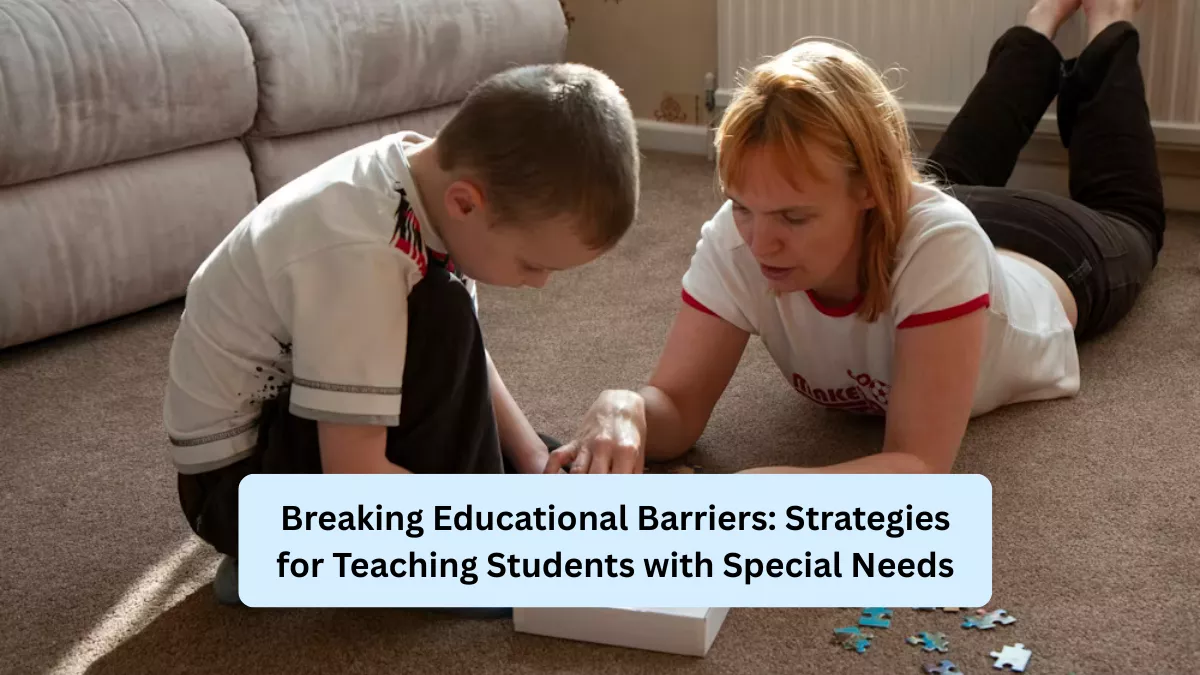
Education is the foundation of personal growth, social inclusion, and lifelong opportunity. Yet, for millions of students with special needs, the classroom can be a place filled with challenges rather than possibilities. Whether these challenges stem from physical, cognitive, emotional, or developmental disabilities, the role of educators has evolved to not just teach—but to adapt, innovate, and empower.
In today’s inclusive learning environment, breaking educational barriers means creating systems and strategies that recognize each learner’s potential. This article explores evidence-based methods, teaching adaptations, and mindset shifts that help teachers build truly inclusive classrooms. By the end, educators, parents, and education professionals will understand how to create supportive spaces where every student—regardless of ability—can thrive academically, socially, and emotionally.
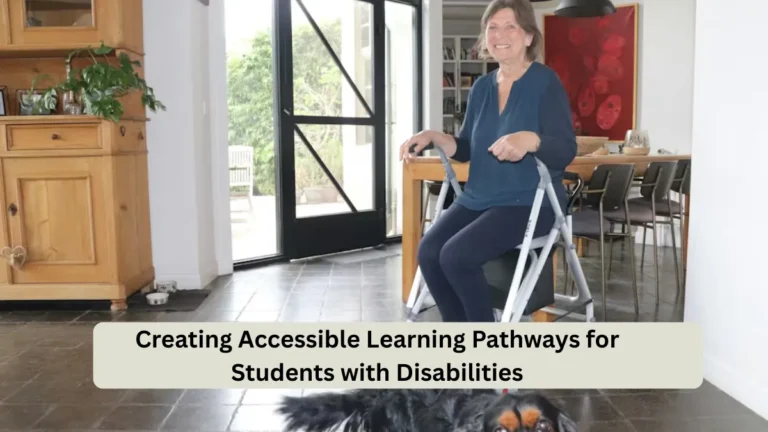
 Creating Accessible Learning Pathways for Students with Disabilities
Understanding the Diverse Spectrum of Special Needs
Students with special needs represent a wide spectrum of abilities, challenges, and learning styles. These include those with autism spectrum disorder (ASD), dyslexia, ADHD, speech or hearing impairments, intellectual disabilities, and emotional or behavioral disorders. Each condition influences how a student processes information, interacts with peers, and responds to instruction.
Understanding this diversity is the first step in breaking educational barriers. Teachers must view each student not through the lens of limitation but through potential. A student with dyslexia, for example, may struggle with reading fluency but excel in creativity and verbal communication. Similarly, children with autism may face social interaction challenges yet demonstrate remarkable attention to detail or exceptional memory. Recognizing these strengths forms the foundation for individualized and inclusive teaching.
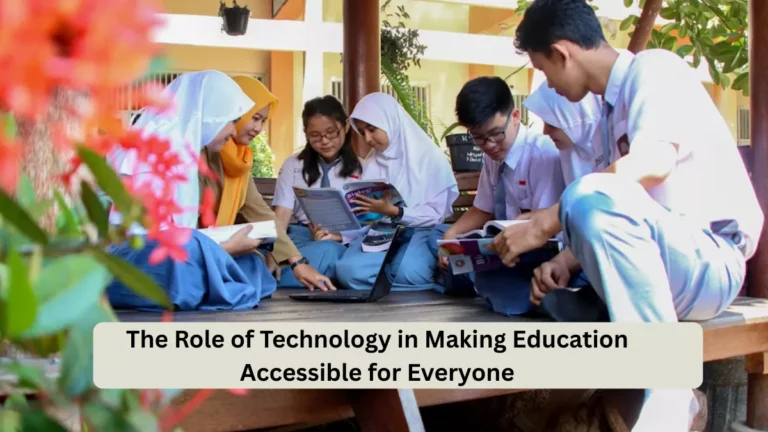
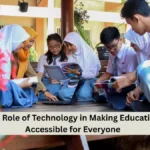 The Role of Technology in Making Education Accessible for Everyone
The Importance of Inclusive Education
Inclusive education is not a mere policy directive—it is a moral and professional obligation. It ensures that students with disabilities learn alongside their peers in regular classrooms while receiving the support they need to succeed. This approach fosters empathy, acceptance, and equality among all students.
When executed effectively, inclusive education benefits every learner, not just those with special needs. It encourages teachers to use diverse instructional strategies, enhances peer cooperation, and nurtures a classroom culture built on respect and understanding. Research consistently shows that inclusive settings improve academic outcomes, increase self-esteem, and reduce discrimination both within and beyond school environments.
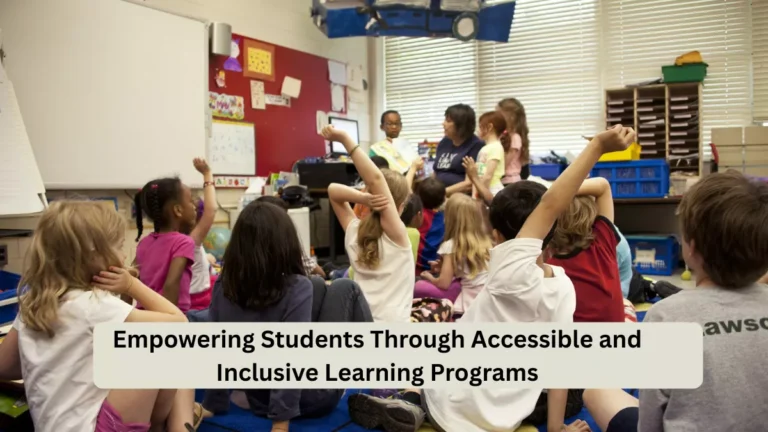
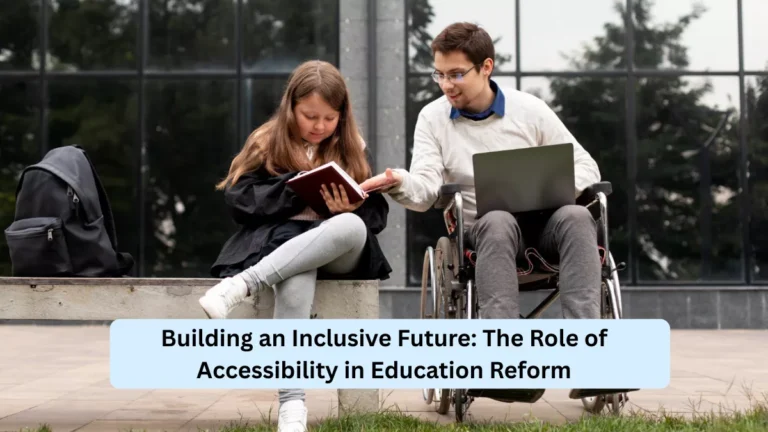
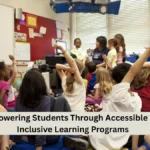 Empowering Students Through Accessible and Inclusive Learning Programs
Building an Inclusive Mindset in Educators
Breaking educational barriers begins with the teacher’s mindset. The most effective educators approach inclusion with patience, flexibility, and an unwavering belief that every student can learn. Adopting this mindset requires continuous professional development and reflection.
Educators should begin by challenging preconceived notions about disabilities. Instead of labeling students by what they cannot do, teachers should explore what methods help them learn best. Understanding that success looks different for each student allows teachers to adjust expectations and redefine achievement. This shift from deficit-based thinking to strength-based teaching transforms classrooms into nurturing environments where growth is both possible and celebrated.
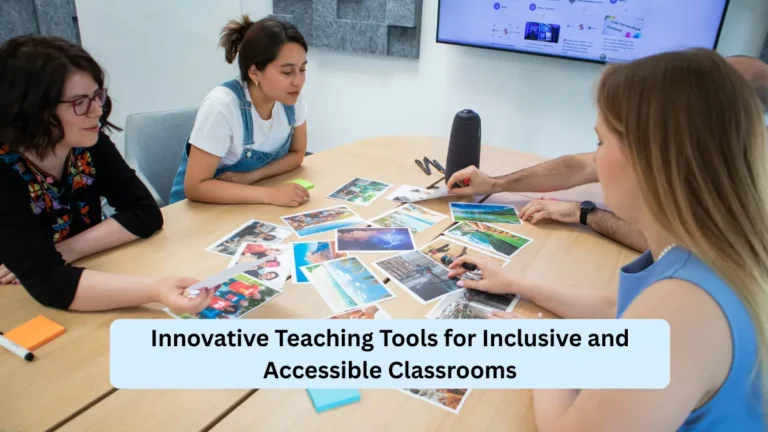
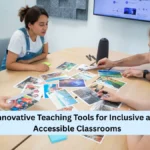 Innovative Teaching Tools for Inclusive and Accessible Classrooms
Adapting Teaching Methods to Support Diverse Learners
Students with special needs benefit most when teachers use varied instructional methods that cater to multiple learning styles—visual, auditory, kinesthetic, and tactile. Universal Design for Learning (UDL) offers a powerful framework for doing just that. UDL encourages educators to provide multiple means of engagement, representation, and expression to make learning accessible for everyone.
Teachers can apply these principles by using visual aids, real-world examples, and interactive lessons. For instance, a student with ADHD might benefit from short, structured tasks and frequent feedback, while a child with visual impairment could rely on audio materials and tactile resources. Differentiating instruction allows students to absorb content at their own pace and through their preferred learning channels.
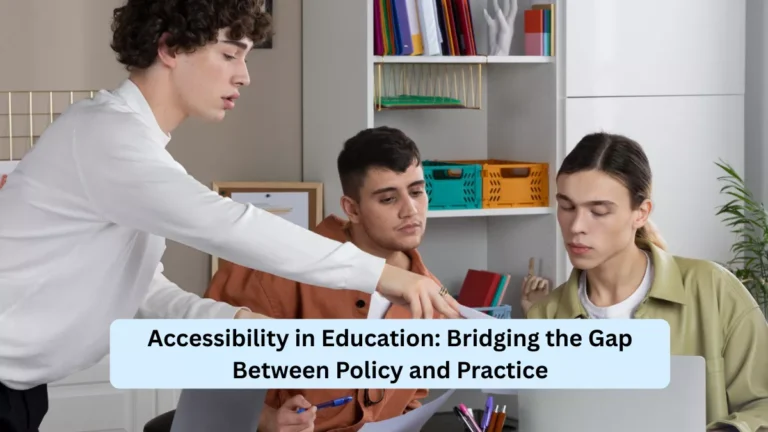
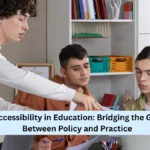 Accessibility in Education: Bridging the Gap Between Policy and Practice
Technology has also transformed accessibility. Assistive tools such as speech-to-text programs, screen readers, and adaptive keyboards empower students to participate fully in classroom activities. These innovations reduce dependency, promote independence, and level the academic playing field.
Creating a Supportive Classroom Environment
A supportive classroom environment goes beyond physical accessibility; it encompasses emotional safety, clear communication, and mutual respect. Students with special needs often face anxiety, frustration, or social isolation. Teachers can address these challenges by setting consistent routines, maintaining clear expectations, and offering positive reinforcement.
Small adjustments can make a big difference. Organizing classrooms with designated quiet zones helps students who experience sensory overload. Using soft lighting and minimizing visual clutter can reduce distractions. Pairing students strategically during group work encourages cooperation and peer learning. When children feel understood, they are more likely to engage and participate actively.
A teacher’s language also matters. Encouraging words, inclusive instructions, and patient listening convey respect and validation. Simple affirmations can transform how students perceive themselves and their abilities, fostering confidence and resilience.
Collaboration Between Teachers, Parents, and Specialists
Education for students with special needs requires collaboration among multiple stakeholders. Teachers, parents, special educators, therapists, and administrators must work together to build comprehensive support systems. Effective communication ensures that everyone understands the student’s goals, progress, and challenges.
Parents play an especially vital role, as they offer insight into their child’s behavior, preferences, and emotional triggers. When teachers engage families in open dialogue, they strengthen trust and alignment. Similarly, collaboration with specialists—such as speech therapists, occupational therapists, and psychologists—provides teachers with actionable strategies tailored to specific needs.
Creating Individualized Education Programs (IEPs) or Individual Learning Plans (ILPs) helps track student progress and define realistic, measurable objectives. These plans guide instructional decisions, ensuring consistency and accountability across educational settings.
Encouraging Social and Emotional Development
Social inclusion is as important as academic inclusion. Students with special needs often struggle with social cues, friendships, and group participation. Teachers can facilitate positive peer interactions through structured social activities, cooperative games, and empathy-building exercises.
Peer mentoring programs, for example, encourage collaboration between students with and without disabilities. These relationships build mutual understanding and reduce stigma. Teaching emotional regulation through mindfulness, breathing exercises, or storytelling helps students manage frustration and anxiety. When emotional intelligence is nurtured, students are better prepared to handle challenges inside and outside the classroom.
A holistic approach that integrates emotional well-being with academic instruction fosters balanced development and lifelong confidence.
Overcoming Common Challenges in Inclusive Education
Despite growing awareness, inclusion faces barriers such as limited training, lack of resources, and rigid curriculums. Many teachers feel unprepared to handle diverse learning needs. Addressing these gaps requires systemic change.
Schools should prioritize continuous professional development focused on inclusive strategies, behavior management, and assistive technologies. Administrators must allocate budgets for adaptive materials, teacher aides, and specialized workshops. Policymakers can further support by implementing national standards that ensure equitable education for all students.
The key lies in flexibility—adapting policies, curriculums, and teaching methods to reflect the diversity within every classroom. Inclusion is not a one-time adjustment but an ongoing process that evolves with student needs and societal progress.
Real-World Success Stories in Inclusive Education
Around the world, numerous schools and educators are setting examples of inclusive excellence. In India, for instance, several mainstream schools have introduced integrated classrooms where students with autism and learning disabilities learn alongside their peers. Teachers use visual schedules, sensory breaks, and peer buddy systems to make participation seamless.
Similarly, schools in Finland and Canada emphasize collaborative teaching, where special educators and general teachers co-plan lessons. This co-teaching model allows personalized instruction without isolating students with disabilities. Such success stories demonstrate that inclusion, when implemented with care and creativity, leads to improved academic performance and stronger communities.
The Role of Empathy and Continuous Learning
Empathy remains the cornerstone of inclusive education. It is the ability to understand students’ experiences and respond with compassion. Teachers who practice empathy not only enhance learning outcomes but also shape inclusive mindsets in future generations.
Continuous learning is equally vital. Educators must stay updated on new teaching techniques, assistive technologies, and psychological insights. Workshops, certifications, and peer learning networks allow teachers to refine their skills and adapt to emerging needs. In a rapidly changing educational landscape, growth and openness define professional excellence.
Conclusion
Breaking educational barriers for students with special needs is not a single act—it is a sustained commitment to equity, innovation, and compassion. Every child, regardless of ability, deserves the opportunity to learn, express, and succeed in a supportive environment.
By embracing inclusive teaching methods, leveraging technology, and building strong partnerships among teachers, parents, and specialists, schools can create transformative learning experiences. The journey toward inclusion is challenging but deeply rewarding. It redefines education not as a privilege for the few but as a fundamental right for all.
Educators hold the power to change lives—and by breaking barriers, they open the door to a world where every learner truly belongs.
FAQs
What is the main goal of inclusive education?
To ensure students with disabilities learn alongside peers while receiving tailored support.
How can teachers support students with ADHD?
By providing structured lessons, short tasks, frequent breaks, and clear feedback.
Why is empathy important in special education?
Empathy builds trust, reduces anxiety, and helps teachers meet emotional needs.
What are examples of assistive technologies in classrooms?
Speech-to-text tools, screen readers, adaptive keyboards, and audio books.
How do parents contribute to special education success?
Through communication, collaboration, and consistent reinforcement at home.
✨ You May Also Like ✨