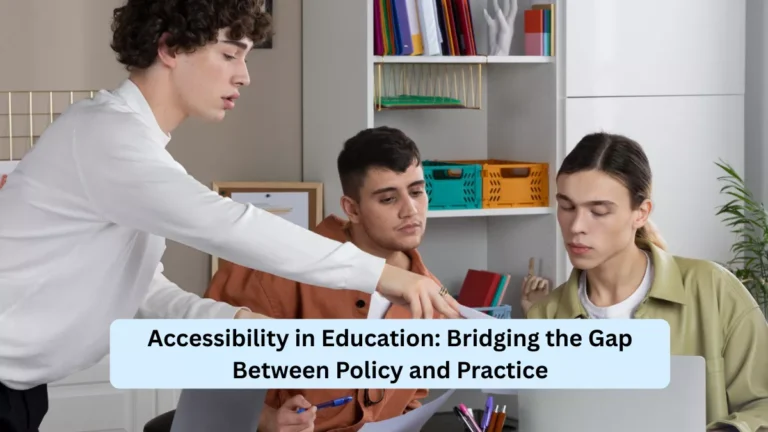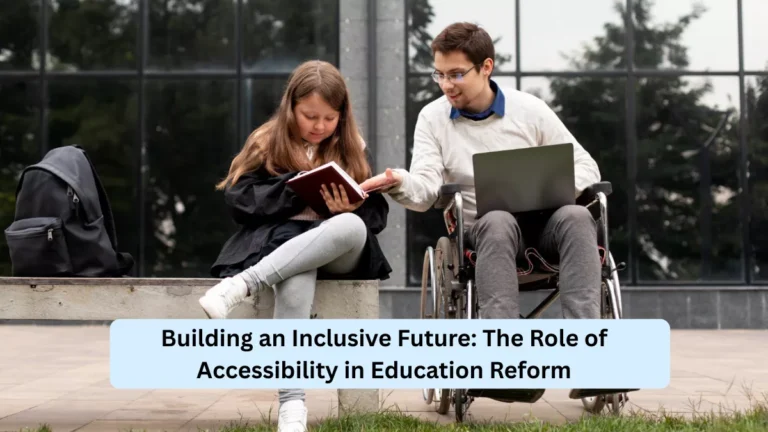

Education is the foundation of a thriving society, yet not all students experience learning on an equal footing. For many, barriers in school buildings, teaching methods, or social structures can limit participation and academic growth. Designing accessible schools is no longer a niche concern; it is a critical responsibility for educators, administrators, architects, and policymakers. Creating environments that support all students means addressing physical, cognitive, emotional, and social needs to ensure that every child has the opportunity to succeed. This article explores practical strategies, real-world examples, and expert insights for designing schools that are truly inclusive and accessible.
Understanding Accessibility in Schools
Accessibility in schools extends beyond ramps and elevators. While physical infrastructure is important, true accessibility involves a holistic approach that considers the diverse ways students interact with learning spaces, materials, and people. It includes designing classrooms, hallways, and playgrounds for mobility needs, but also creating teaching methods, schedules, and learning tools that accommodate different cognitive, sensory, and emotional abilities.

Research consistently shows that accessible environments improve learning outcomes for all students. For example, classrooms with flexible seating arrangements, quiet zones, and clear visual cues benefit not only students with disabilities but also those who thrive in less conventional learning setups. Accessibility is a universal design principle: when schools accommodate the needs of the most vulnerable, they enhance the experience for every student.
Key Principles for Accessible School Design
Creating accessible schools requires intentional planning, informed by both expert guidance and student feedback. One fundamental principle is universal design, which emphasizes flexibility, simplicity, and inclusivity in all aspects of the school environment. Another critical factor is collaboration—architects, educators, occupational therapists, and parents must work together to identify barriers and solutions. Schools must also consider legal requirements, such as the Americans with Disabilities Act (ADA), while striving to exceed minimum standards for accessibility.
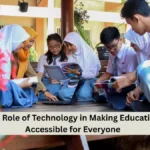
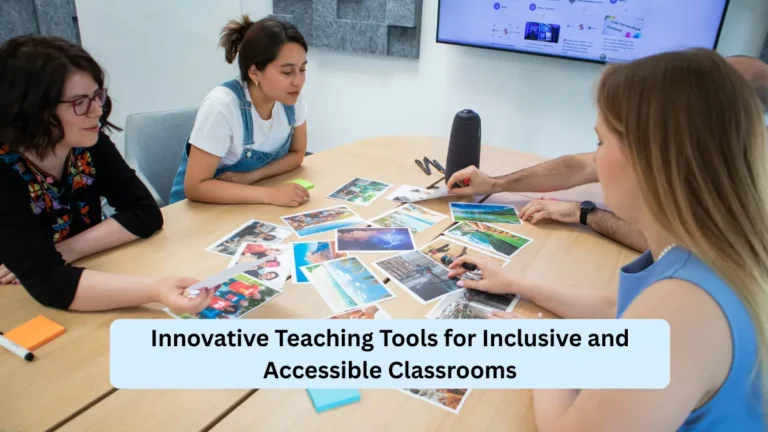
Flexible classroom layouts are central to universal design. Movable furniture allows educators to adapt spaces for group work, individual study, or sensory breaks. Clear signage, high-contrast color schemes, and non-slip flooring enhance safety and navigation for students with visual or mobility impairments. Additionally, integrating technology such as screen readers, speech-to-text tools, and adaptive learning software ensures that students with learning differences can engage fully with the curriculum.
Physical Accessibility: Creating Safe and Inclusive Spaces
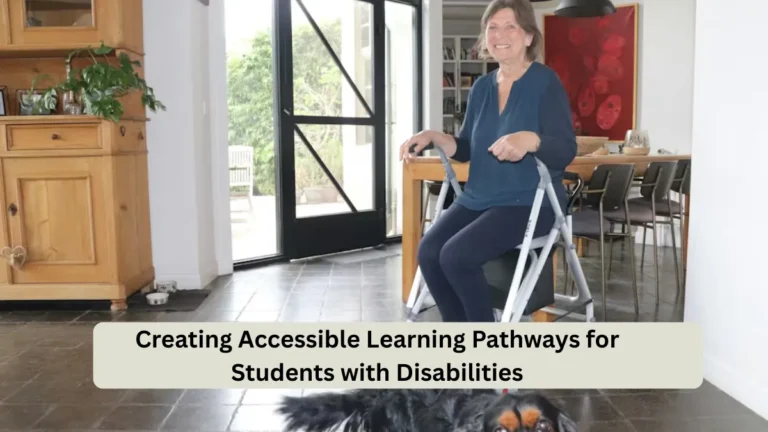
Physical accessibility is often the most visible aspect of inclusive school design, but it is more than a compliance checklist. Entryways, hallways, restrooms, and classrooms must be accessible to students using wheelchairs, walkers, or other mobility aids. Schools should consider the placement of ramps, automatic doors, and elevators, as well as furniture arrangements that allow free movement.
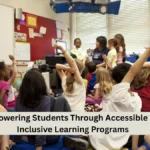
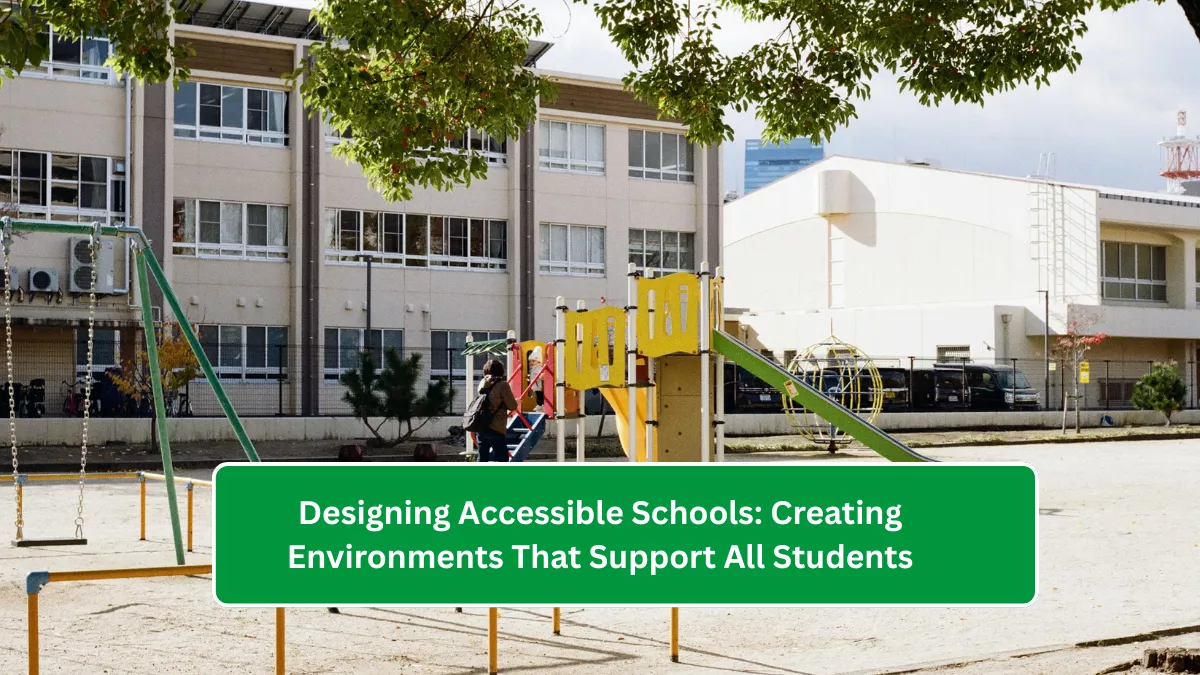
Playgrounds and recreational areas are equally important. Accessible playground equipment, such as swings and slides designed for all abilities, encourages social interaction and physical activity. Outdoor pathways should be even and wide, with clear markings for navigation. Lighting, acoustics, and air quality also contribute to a safe and comfortable environment, benefiting students with sensory sensitivities or chronic health conditions.
Beyond the built environment, emergency preparedness is essential. Schools must develop evacuation plans that accommodate students with physical or cognitive disabilities, ensuring that everyone can exit safely during drills or emergencies. Training staff on inclusive safety procedures reinforces a culture of care and vigilance.
Academic Accessibility: Supporting Diverse Learning Needs
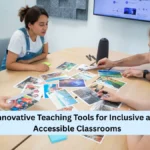
Physical accessibility is only one part of the equation. Academic accessibility focuses on how students access and engage with learning materials. Differentiated instruction is a key strategy, allowing teachers to present content in multiple formats and adjust assignments to individual needs. For instance, some students may benefit from visual aids, while others need verbal explanations or hands-on activities.
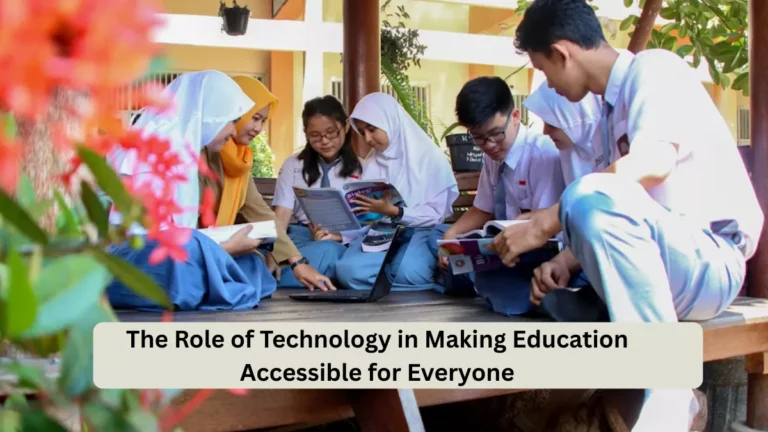
Technology plays a pivotal role in academic accessibility. Devices with adaptive software, closed captions for videos, and digital textbooks with adjustable fonts and colors empower students with learning differences. Additionally, assistive communication tools help non-verbal or speech-impaired students participate fully in class discussions. Regular assessments and personalized support plans ensure that students receive the appropriate level of guidance to reach their academic potential.

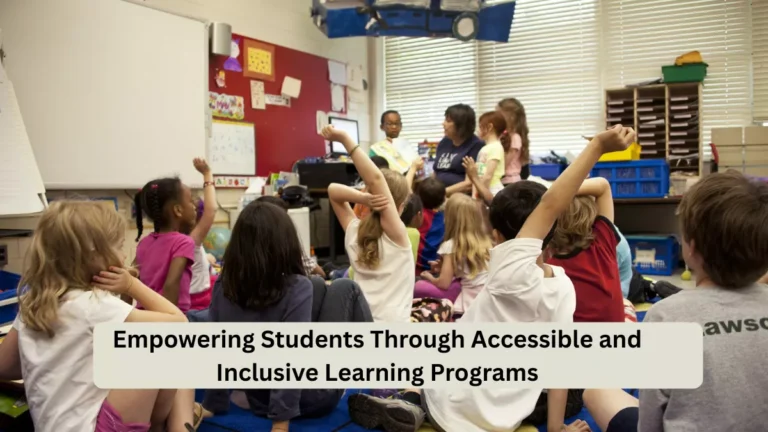
Inclusive teaching practices extend to classroom culture. Teachers must foster an environment where diversity is respected and differences are celebrated. Encouraging collaborative projects, peer tutoring, and mentorship programs helps students build social skills while reducing the isolation that can occur for those with disabilities.
Social and Emotional Accessibility: Building a Supportive Community
Accessibility is not solely about physical structures or academic resources; social and emotional well-being is equally critical. Students with disabilities or special needs often face challenges in forming friendships, participating in extracurricular activities, or managing stress. Schools can address these issues by creating support networks that promote belonging, resilience, and self-confidence.
Counseling services, peer support groups, and social skills programs provide safe spaces for students to discuss challenges and develop coping strategies. Staff training in empathy, conflict resolution, and trauma-informed practices ensures that educators can respond effectively to diverse emotional needs. Encouraging parent involvement and community partnerships further strengthens the network of support for students.
Designing spaces that facilitate social interaction is also important. Common areas, collaborative workspaces, and flexible lunchrooms allow students to connect naturally. Inclusive clubs, sports teams, and arts programs provide opportunities for participation regardless of physical or cognitive abilities, fostering a sense of community and shared purpose.
Policy and Leadership: Driving Systemic Change
Creating accessible schools requires strong leadership and supportive policies. School administrators and district leaders must prioritize accessibility in budgets, planning, and professional development. Policies should mandate accessibility audits, ongoing training for staff, and continuous evaluation of student needs. Leadership also involves advocating for equitable funding and resources to implement necessary changes, from adaptive technology to physical renovations.
Equity in education extends beyond accessibility regulations. Leaders must recognize systemic barriers that disproportionately affect students with disabilities, including limited access to advanced courses, extracurricular opportunities, or specialized support services. By embedding accessibility into the school’s mission and culture, administrators can ensure sustainable, long-term improvements that benefit all students.
Case Studies: Successful Accessible School Initiatives
Several schools have pioneered accessible design with measurable success. In one example, a public school in California reconfigured classrooms with movable desks, multi-sensory learning stations, and quiet zones. Students with attention or sensory challenges reported increased focus, while teachers noted higher engagement across the entire student body.
Another notable initiative in New York involved redesigning a playground to include ramps, inclusive swings, and tactile play panels. This project encouraged children of all abilities to participate together, fostering social integration and physical activity. These examples demonstrate that thoughtful, inclusive design not only complies with regulations but also enhances educational outcomes and community engagement.
Actionable Steps for Designing Accessible Schools
For schools beginning the journey toward accessibility, several actionable steps can guide the process. Conducting a comprehensive accessibility audit helps identify barriers in infrastructure, technology, and policies. Involving students, parents, and staff in this evaluation ensures diverse perspectives are considered.
Prioritizing universal design principles in renovations or new construction maximizes flexibility and inclusivity. Investing in professional development equips teachers and staff with strategies to support diverse learners effectively. Schools can also establish partnerships with local organizations, such as disability advocacy groups, to access expertise and resources. Ongoing monitoring, feedback, and adjustments ensure that accessibility initiatives remain effective and responsive to student needs.
The Role of Community and Collaboration
Creating accessible schools is not a solitary task. Collaboration between educators, families, architects, therapists, and policymakers is essential. Community engagement brings fresh ideas, supports advocacy efforts, and fosters a culture of inclusion that extends beyond the classroom.
Parent and student feedback is particularly valuable, offering insights into daily experiences that may be overlooked in planning stages. Professional networks and conferences provide opportunities to learn about innovative practices and emerging technologies. By fostering a culture of collaboration, schools can build environments where accessibility is integrated into every aspect of education.
Future Trends in School Accessibility
As technology and research evolve, school accessibility continues to advance. Artificial intelligence, adaptive learning platforms, and virtual reality tools are enabling highly personalized education. Smart classrooms can adjust lighting, acoustics, and learning materials to meet individual student needs in real time.
Additionally, the growing emphasis on social-emotional learning is influencing school design. Spaces that encourage mindfulness, reflection, and collaboration are becoming standard. Policy trends also indicate stronger requirements for equity and inclusion, ensuring that accessibility remains a priority in future educational planning.
Conclusion
Designing accessible schools is a multifaceted challenge that requires commitment, creativity, and collaboration. By addressing physical, academic, social, and emotional needs, schools can create environments where all students thrive. Implementing universal design principles, leveraging technology, fostering inclusive teaching practices, and engaging communities are essential strategies for success. Accessibility is not just a legal obligation—it is a moral and educational imperative that enriches the learning experience for everyone. Schools that embrace accessibility empower students to reach their full potential while promoting equity, inclusion, and lifelong success.
FAQs
What is school accessibility?
School accessibility ensures students of all abilities can safely navigate spaces and fully engage in learning and activities.
Why is inclusive school design important?
Inclusive design supports diverse learning needs, improves outcomes, and fosters social-emotional growth for all students.
How can technology improve accessibility in schools?
Adaptive software, speech-to-text tools, and digital learning platforms help students with disabilities engage effectively.
What are universal design principles in education?
Universal design promotes flexible, inclusive environments that accommodate physical, cognitive, and social learning differences.
How can schools support emotional accessibility?
Counseling, peer support, and trauma-informed teaching practices help students feel safe, valued, and engaged.
✨ You May Also Like ✨