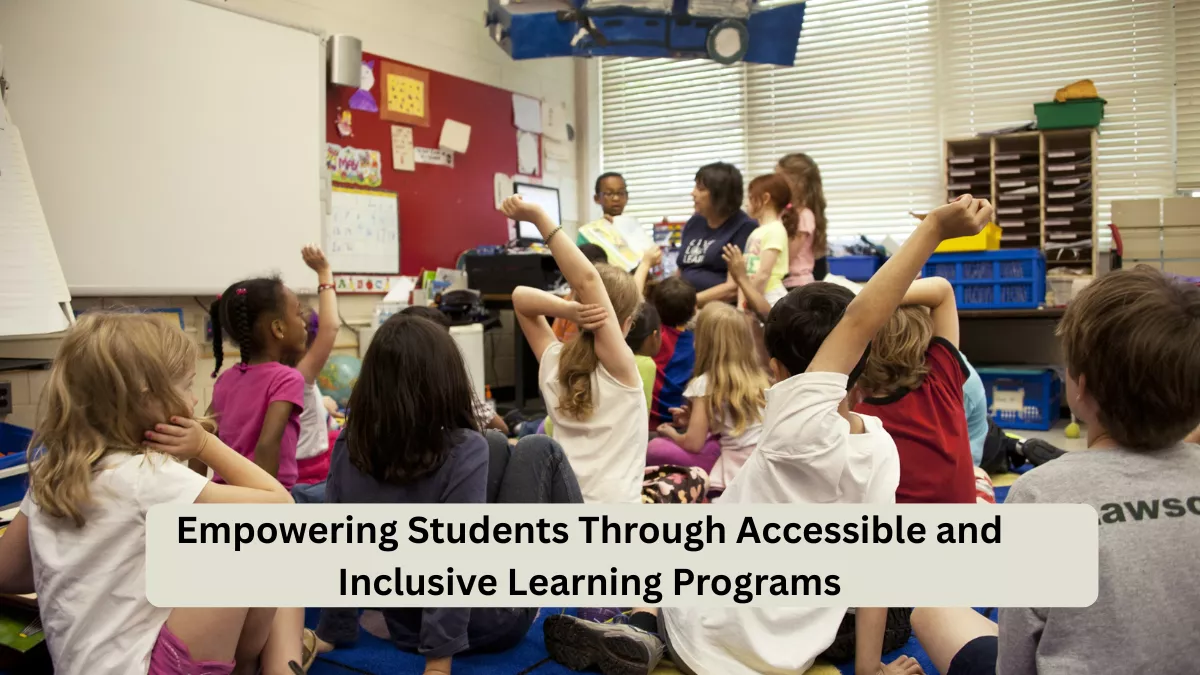
Education is the key to unlocking potential, yet millions of students face barriers that prevent them from fully accessing quality learning opportunities. Traditional education models often overlook the diverse needs of learners, from students with disabilities to those from marginalized communities. Accessible and inclusive learning programs are no longer optional—they are essential for creating an equitable education system.
By removing barriers and offering tailored resources, these programs ensure that every student can thrive, regardless of background or ability. In this article, we explore how accessible and inclusive learning programs are transforming education, the benefits they bring, and practical strategies for schools, educators, and communities.
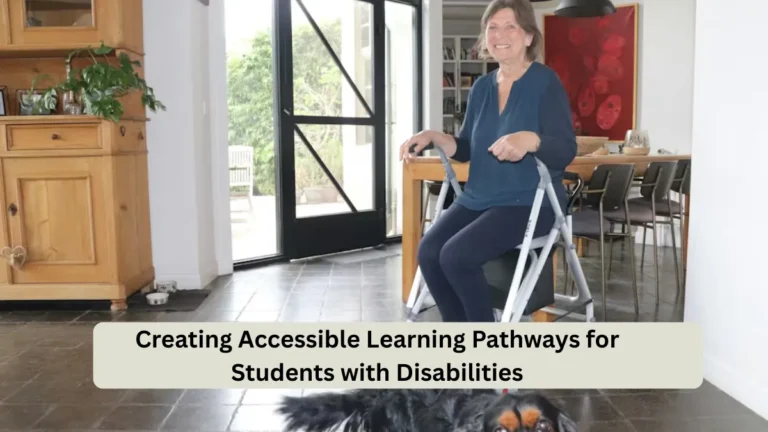
 Creating Accessible Learning Pathways for Students with Disabilities
Understanding Accessible and Inclusive Learning
Accessible learning focuses on removing obstacles that prevent students from fully engaging with educational content. This includes physical, digital, and instructional accessibility. For example, classrooms with wheelchair ramps, accessible textbooks, and assistive technology support students with physical disabilities. Digital accessibility, such as screen readers or captioned videos, ensures students with visual or hearing impairments can participate in online learning.
Inclusive learning goes beyond accessibility. It emphasizes valuing diversity and creating environments where all students feel respected and supported. Inclusive programs consider cultural, linguistic, cognitive, and socio-economic differences. When combined, accessibility and inclusivity form a holistic approach that addresses both practical barriers and systemic inequities, allowing students to reach their full potential.
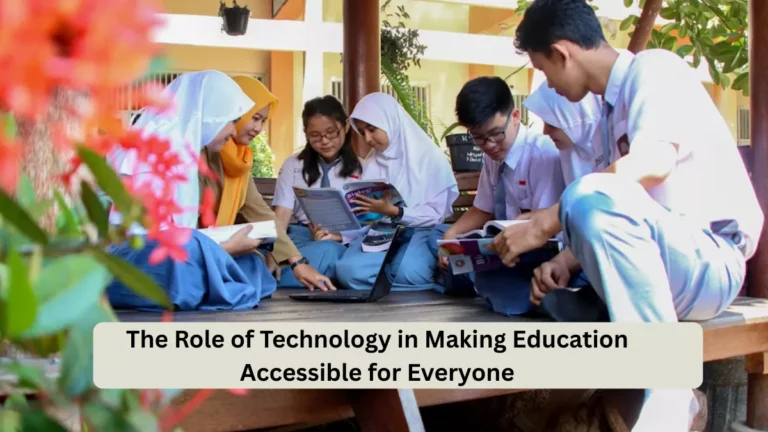
 The Role of Technology in Making Education Accessible for Everyone
Why Accessible and Inclusive Programs Matter
Education is more than academics; it shapes confidence, critical thinking, and social skills. Students who feel excluded or unsupported often experience lower engagement, higher dropout rates, and reduced long-term opportunities. Accessible and inclusive programs counter these challenges by fostering a sense of belonging and empowerment. Studies have shown that students in inclusive classrooms develop stronger social skills, higher empathy, and improved academic performance compared to those in segregated or inaccessible environments.
Moreover, inclusive programs prepare students for the diverse world beyond school. They learn to collaborate with peers of different abilities, cultures, and perspectives, promoting understanding and innovation. Accessibility ensures that no student is left behind, creating an education system that is fair, equitable, and effective.
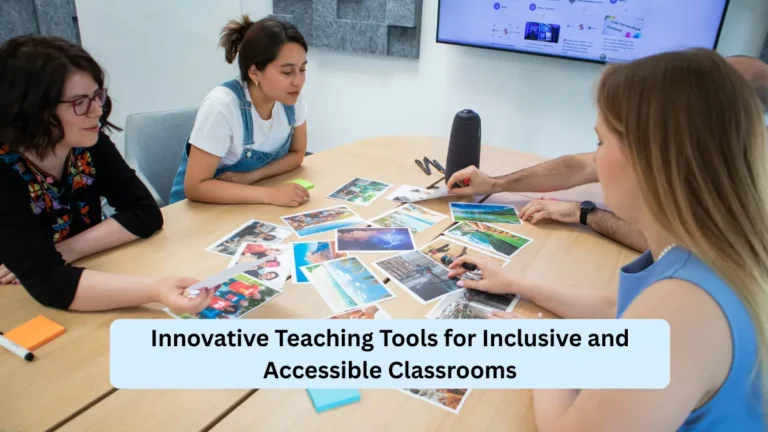
 Innovative Teaching Tools for Inclusive and Accessible Classrooms
Key Features of Effective Programs
Successful accessible and inclusive learning programs share several core characteristics. First, they are flexible, accommodating different learning styles and needs. Teachers use multiple formats, such as visual, auditory, and kinesthetic methods, to ensure all students can grasp concepts. Second, they incorporate assistive technology, like speech-to-text tools or adaptive software, which helps students overcome learning challenges. Third, these programs provide training for educators to recognize and respond to diverse student needs. Teachers equipped with the right knowledge can implement differentiated instruction, create inclusive lesson plans, and cultivate positive classroom dynamics.
Curriculum design also plays a crucial role. Inclusive programs integrate content that reflects diverse cultures, histories, and experiences, helping students feel represented and valued. Policies that support accessibility, such as reasonable accommodations and anti-discrimination measures, reinforce these initiatives and ensure they are sustainable over time.
 Accessibility in Education: Bridging the Gap Between Policy and Practice
Examples of Successful Initiatives
Several initiatives around the world demonstrate the impact of accessible and inclusive learning. For instance, some schools use universal design for learning (UDL), a framework that provides multiple means of engagement, representation, and expression. UDL helps students with learning disabilities or language barriers participate fully in lessons. In higher education, universities offer programs with flexible scheduling, online accessibility, and disability support services, allowing non-traditional students or those with chronic illnesses to succeed.
Community-based programs also contribute to inclusivity. Organizations providing mentorship, tutoring, or after-school support often tailor their services to underserved populations, bridging gaps in access and opportunity. These real-world examples highlight how thoughtful program design can transform the educational experience and outcomes for students who might otherwise be overlooked.
 Building an Inclusive Future: The Role of Accessibility in Education Reform
Strategies for Implementation
Implementing accessible and inclusive learning programs requires a multifaceted approach. First, schools must conduct needs assessments to identify barriers students face, ranging from physical access to curriculum relevance. Next, educators should receive professional development in inclusive teaching practices and cultural competency. Technology should be leveraged thoughtfully, ensuring digital content is accessible and adaptable. Engagement with families and communities strengthens the impact of programs, creating a network of support that reinforces learning beyond the classroom.
Policy support is equally critical. Schools and districts must allocate funding for accessibility resources, adaptive technology, and specialized staff. Collaboration with local organizations, universities, and experts in special education can provide additional guidance and resources. Ongoing evaluation ensures programs remain effective, adapting to changes in student needs and emerging best practices.
Benefits for Students and Society
The benefits of accessible and inclusive programs extend far beyond individual students. Students who thrive academically and socially are more likely to pursue higher education, secure meaningful employment, and participate actively in their communities. Inclusive education fosters empathy, cross-cultural understanding, and problem-solving skills, which are essential for a rapidly evolving workforce.
For society, these programs reduce inequities and promote social cohesion. Education that accommodates diversity ensures that talent and potential are not wasted due to systemic barriers. It creates a generation of learners who value equity, respect differences, and contribute to a more inclusive society. The return on investment is both social and economic, benefiting communities, employers, and the broader economy.
Overcoming Common Challenges
Despite the clear benefits, implementing inclusive and accessible programs comes with challenges. Limited funding, lack of teacher training, and outdated infrastructure can hinder progress. Resistance to change, whether cultural or institutional, may also slow adoption. However, solutions exist. Schools can prioritize incremental improvements, starting with the most critical accessibility needs and scaling programs over time. Grants and partnerships with nonprofits can provide funding and expertise. Professional development ensures teachers are prepared, while ongoing advocacy fosters a culture that values inclusivity.
Technology, when used strategically, can overcome many challenges. Digital platforms allow personalized learning, adaptive assessments, and communication tools that support collaboration between teachers, students, and families. Combining innovation with commitment creates lasting change, demonstrating that even schools with limited resources can implement meaningful programs.
The Role of Educators
Educators are the backbone of accessible and inclusive learning. Their attitudes, knowledge, and teaching practices determine whether students feel valued and supported. Teachers must embrace differentiated instruction, adjusting lessons to accommodate diverse abilities and learning styles. Building strong relationships with students, recognizing their unique strengths, and maintaining high expectations fosters both confidence and achievement.
Ongoing professional development is essential. Workshops, peer collaboration, and exposure to new teaching methods keep educators informed and equipped to handle evolving classroom needs. Educators also serve as advocates for students, collaborating with administrators and policymakers to ensure programs are adequately supported and continuously improved.
Future Directions
The future of education depends on accessibility and inclusivity. Emerging trends such as artificial intelligence, adaptive learning software, and immersive technologies offer new ways to tailor education to individual student needs. Virtual reality, for instance, can simulate real-world experiences for students who cannot access certain physical environments. AI-driven tools provide personalized feedback, helping educators track progress and intervene when necessary.
Policy trends are also shifting, with governments increasingly recognizing the importance of inclusive education in meeting broader social and economic goals. International frameworks, such as the United Nations’ Sustainable Development Goals, emphasize quality education for all, reinforcing the global importance of accessible and inclusive programs. The combination of technology, policy, and educator commitment promises a future where no student is left behind.
Conclusion
Accessible and inclusive learning programs are not merely an educational trend—they are a necessity for fostering equity, opportunity, and student success. By addressing physical, digital, and instructional barriers, these programs empower learners to reach their full potential. They create classrooms where diversity is valued, engagement is maximized, and all students can thrive academically and socially.
For educators, administrators, and policymakers, the path forward involves assessing needs, implementing best practices, investing in professional development, and leveraging technology. Communities and families play a vital role in reinforcing these initiatives. The result is an education system that is not only fair but transformative, preparing students for a diverse, interconnected world.
FAQs
What is accessible learning?
Accessible learning removes barriers so all students, including those with disabilities, can fully engage in education.
What is inclusive learning?
Inclusive learning values diversity and ensures every student feels respected and supported in their educational journey.
How do programs benefit students?
They improve academic performance, social skills, confidence, and provide equal opportunities for all learners.
What role does technology play?
Assistive and adaptive technologies help students overcome learning barriers and access curriculum effectively.
Why is teacher training important?
Trained educators can implement inclusive practices, differentiate instruction, and address diverse student needs.
✨ You May Also Like ✨