
Education has always been a powerful tool for shaping societies, breaking barriers, and promoting equality. Yet, for millions of students worldwide, especially those with disabilities or diverse learning needs, education still remains an uneven experience. The difference between exclusion and inclusion often depends on how well teachers are prepared to create accessible learning environments.
Empowering teachers through proper training for accessibility and inclusive education is not just a professional responsibility—it is a moral and social necessity. This article explores why such training matters, how it transforms classrooms, and what effective strategies can ensure that every student has the opportunity to succeed.

Why Accessibility and Inclusion Matter in Education
Accessibility in education means removing barriers that prevent learners with disabilities or challenges from participating fully in learning activities. Inclusive education goes a step further—it ensures that every child, regardless of background, ability, or circumstance, learns together in the same classroom. These concepts are not trends but essential components of equitable education systems. When teachers understand how to create accessible learning spaces, they help close gaps that have long separated students with different needs.
Students with disabilities, learning difficulties, or social disadvantages face more than just academic challenges. They often experience emotional and psychological barriers that make learning even harder. Teachers trained in inclusive methods are better equipped to recognize these barriers early and adapt their teaching to meet diverse learning styles. As a result, classrooms become more empathetic, collaborative, and effective. When teachers master accessibility, the benefits extend beyond special education—they improve teaching quality for all students.
The Role of Teacher Training in Promoting Accessibility
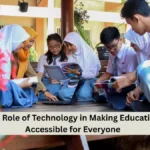
Training teachers in accessibility is the foundation of inclusive education. Educators are the primary drivers of change, and without the right preparation, even well-intentioned teachers can struggle to implement inclusive practices. Effective training focuses on developing both the mindset and skillset required to address diversity in the classroom. Teachers learn to identify individual learning needs, adjust instructional strategies, and apply assistive technologies.
Accessibility training teaches educators how to design lessons that cater to multiple learning styles—visual, auditory, and kinesthetic—without isolating or labeling students. For example, a science lesson can be taught using tactile materials, audio descriptions, and visual aids to ensure all learners grasp the concept. Teachers also learn the importance of language sensitivity, classroom layout, and emotional inclusion. By integrating these elements into their teaching practice, they create environments where students feel seen, respected, and capable.
Building Inclusive Mindsets Among Educators
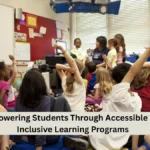
Inclusion begins with attitude. Teachers must first believe in the capacity of all students to learn, regardless of their physical, emotional, or intellectual differences. Training programs focused on accessibility often include sessions on empathy development, cultural awareness, and bias recognition. These help educators challenge stereotypes and build inclusive mindsets. It is essential that teachers not view inclusion as an additional task but as an integral part of effective teaching.
A shift in mindset also encourages collaboration among teachers. When educators exchange experiences and strategies, they create a community of inclusion advocates. School administrators can strengthen this by organizing peer learning sessions, reflection circles, and mentoring programs. The collective power of teachers who believe in inclusion transforms schools into safe and inspiring spaces for every learner.
Effective Strategies for Teacher Training Programs
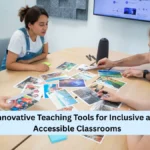
Teacher training for accessibility and inclusive education must go beyond theory. It should combine practical tools, real-life examples, and continuous professional development. One of the most effective approaches is experiential learning, where teachers simulate learning experiences from the perspective of students with disabilities. For instance, wearing vision-limiting glasses while reading a text helps teachers understand visual impairments. Such experiences deepen empathy and inspire creative teaching solutions.
Another essential strategy is the integration of Universal Design for Learning (UDL). UDL promotes flexible teaching methods that accommodate diverse learners from the start rather than retrofitting lessons after challenges arise. Teachers trained in UDL principles learn to design lessons that allow multiple means of engagement, representation, and expression. This approach empowers both teachers and students by offering choices in how learning occurs.
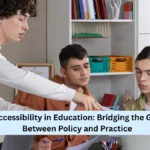
Technology also plays a vital role in modern accessibility training. Teachers need to be familiar with assistive tools such as screen readers, text-to-speech software, and captioning applications. Understanding how to use digital platforms inclusively ensures that online and hybrid learning environments remain accessible to all students.
Real-World Examples of Successful Inclusion Practices
Across the world, schools that have invested in accessibility training for teachers are witnessing remarkable outcomes. In Finland, inclusive education is part of teacher preparation from the start, leading to classrooms that naturally accommodate differences. In the United States, many districts have adopted co-teaching models where general and special education teachers collaborate to deliver instruction. This not only benefits students with disabilities but also enhances the learning environment for all.
In developing countries, where resources are limited, teacher creativity has proven to be a powerful tool. For example, educators in rural India and Africa have adapted low-cost local materials to support sensory learning. Their commitment to inclusive teaching shows that true accessibility begins with intention and training, not technology alone.
Challenges in Implementing Accessibility Training
Despite its importance, implementing accessibility-focused teacher training is not without challenges. Many education systems still lack standardized frameworks or funding to support such initiatives. Teachers often report time constraints, limited access to training programs, and insufficient support from administrators. Additionally, some educators may feel uncertain or overwhelmed when faced with the responsibility of meeting diverse learning needs.
To overcome these barriers, governments and educational institutions must prioritize inclusion in policy and budget planning. Continuous professional development should be encouraged, with regular workshops, mentorship, and online learning opportunities. Recognizing teachers who successfully apply inclusive practices can also motivate others to follow suit. Building a culture of inclusion requires not just training but sustained commitment from all levels of the education system.
The Impact of Inclusive Education on Students and Society
The effects of accessible and inclusive education reach far beyond the classroom. Students who learn in inclusive environments develop greater empathy, respect, and social understanding. They learn to value diversity, which prepares them for life in a multicultural world. For students with disabilities, inclusion boosts confidence, academic performance, and long-term employment prospects. The positive effects ripple through communities, promoting equality and social cohesion.
When teachers are empowered with accessibility training, they do more than teach lessons—they change lives. They help build societies where diversity is seen as strength and inclusion as the norm. Inclusive education nurtures problem-solvers, innovators, and compassionate citizens, creating a more equitable future for everyone.
Actionable Steps for Schools and Educators
Schools that want to implement accessibility training can begin by conducting a needs assessment to understand where gaps exist. From there, administrators can design training programs tailored to their staff’s experience levels. Including parents, counselors, and community members in the process strengthens collaboration. Teachers should also engage in self-reflection to identify biases and areas for growth.
Continuous feedback is essential for success. Schools should regularly evaluate the effectiveness of training and adjust based on student outcomes. Creating inclusive learning spaces requires patience and persistence, but each step forward benefits both teachers and learners. Empowered educators are the cornerstone of inclusive education.
Conclusion
Empowering teachers through accessibility and inclusive education training is one of the most effective ways to ensure that every student, regardless of ability, has an equal chance to succeed. It fosters understanding, breaks down barriers, and cultivates classrooms where all learners thrive. The journey toward inclusion is not simply about policy or technology—it is about people, empathy, and empowerment. When teachers are equipped with the skills, knowledge, and confidence to teach inclusively, they become agents of change who shape not only the minds but also the hearts of future generations. Education that includes everyone benefits everyone.
FAQs
What is the goal of accessibility training for teachers?
It helps teachers create learning environments that support all students, including those with disabilities or diverse learning needs.
Why is inclusive education important for schools?
Inclusive education ensures equal opportunities, encourages social acceptance, and improves learning outcomes for all students.
How can teachers promote accessibility in classrooms?
Teachers can use diverse teaching materials, assistive tools, and flexible strategies to support different learning styles.
What is Universal Design for Learning (UDL)?
UDL is a teaching framework that designs lessons to meet the varied needs of all learners from the start, ensuring equal access.
How can schools support in inclusive education?
Schools can offer ongoing training, provide assistive resources, and create policies that prioritize inclusion and accessibility.
✨ You May Also Like ✨