
Education is often described as the great equalizer—a pathway to opportunity, empowerment, and participation in society. Yet, for many students with disabilities, education systems remain full of barriers that hinder learning, communication, and inclusion. While most schools acknowledge the importance of accessibility, turning policies into tangible practices often remains an unfinished journey.
Implementing accessibility standards in schools is not just a compliance measure; it’s a moral and social obligation that ensures every learner can thrive in a supportive environment. This article explores how schools can transform accessibility policies into real-world practices, offering educators, administrators, and policymakers a roadmap toward truly inclusive education.

Understanding Accessibility in Education
Accessibility in education means designing environments, tools, and teaching methods that accommodate all learners—especially those with physical, sensory, cognitive, or learning disabilities. It extends beyond ramps and elevators; it encompasses digital learning platforms, instructional materials, assessments, and classroom interactions. Accessibility ensures that every student can perceive, understand, and participate fully in learning experiences.
Globally, education laws and conventions emphasize this right. The UN Convention on the Rights of Persons with Disabilities underscores equal access to education for all. Similarly, national education policies require schools to provide reasonable accommodations. However, many institutions struggle with interpreting these mandates into classroom realities. Understanding accessibility as a holistic framework—rather than a checklist—is the first step toward systemic transformation.
Why Accessibility Standards Matter
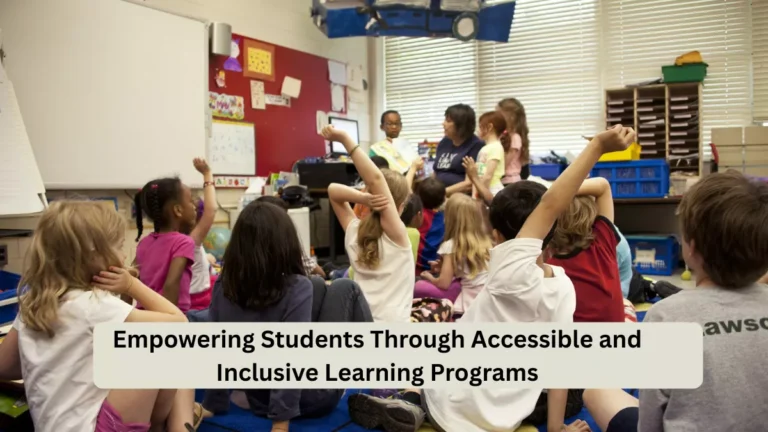
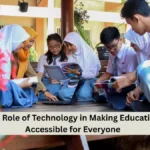
Accessibility standards in schools are crucial for fostering equity. When learning spaces are inclusive, all students benefit—not only those with disabilities. A classroom equipped with captioned videos, adaptive seating, and accessible learning materials supports diverse learning styles and enhances comprehension for everyone.
Furthermore, accessible environments encourage social inclusion. Students learn empathy, cooperation, and respect for differences. They witness firsthand that diversity enriches their educational experience. On a broader scale, implementing accessibility standards helps schools meet legal obligations and avoid compliance issues, but more importantly, it aligns with ethical responsibilities that promote fairness and equality.
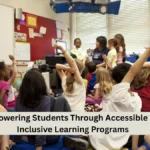
Ignoring accessibility creates long-term disadvantages. Students who face barriers are more likely to experience lower academic performance, social isolation, and decreased confidence. These consequences ripple into adulthood, limiting opportunities in higher education and employment. Ensuring accessibility from the ground up is a proactive way to build inclusive societies.
Translating Policy into Practice
Bridging the gap between policy and practice requires strong leadership, training, and accountability. Schools must move beyond symbolic commitments to actionable implementation. Policies only work when they are consistently applied, monitored, and refined.
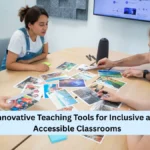
Administrators play a critical role in embedding accessibility into institutional culture. They must develop implementation plans with clear responsibilities, timelines, and evaluation mechanisms. These plans should integrate accessibility into curriculum design, infrastructure planning, technology use, and staff development.
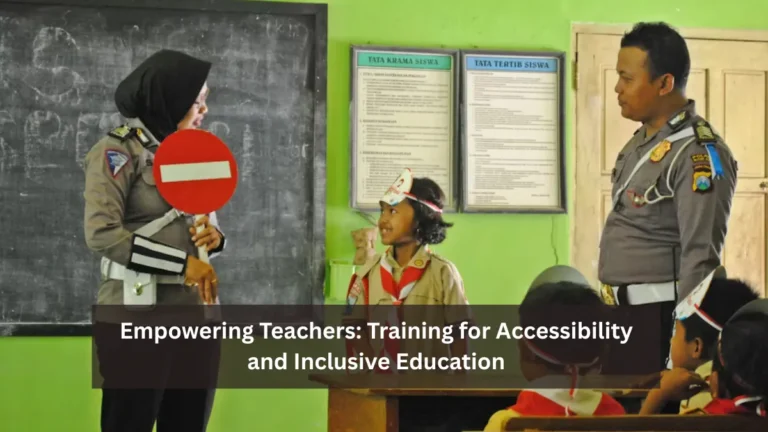
Teachers are equally essential in this process. They translate institutional policies into daily practices that directly affect students. Training teachers to design accessible lessons, use assistive technologies, and differentiate instruction ensures policies come to life inside classrooms. Teachers who understand how to adapt content for diverse learners help make inclusion sustainable, not exceptional.

Building Accessible Learning Environments
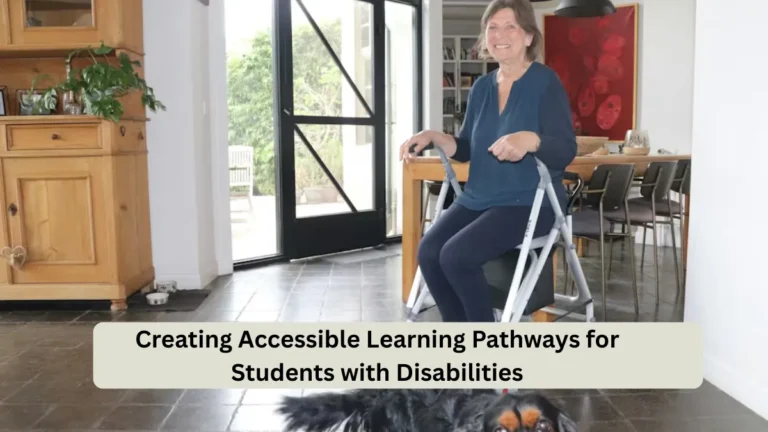
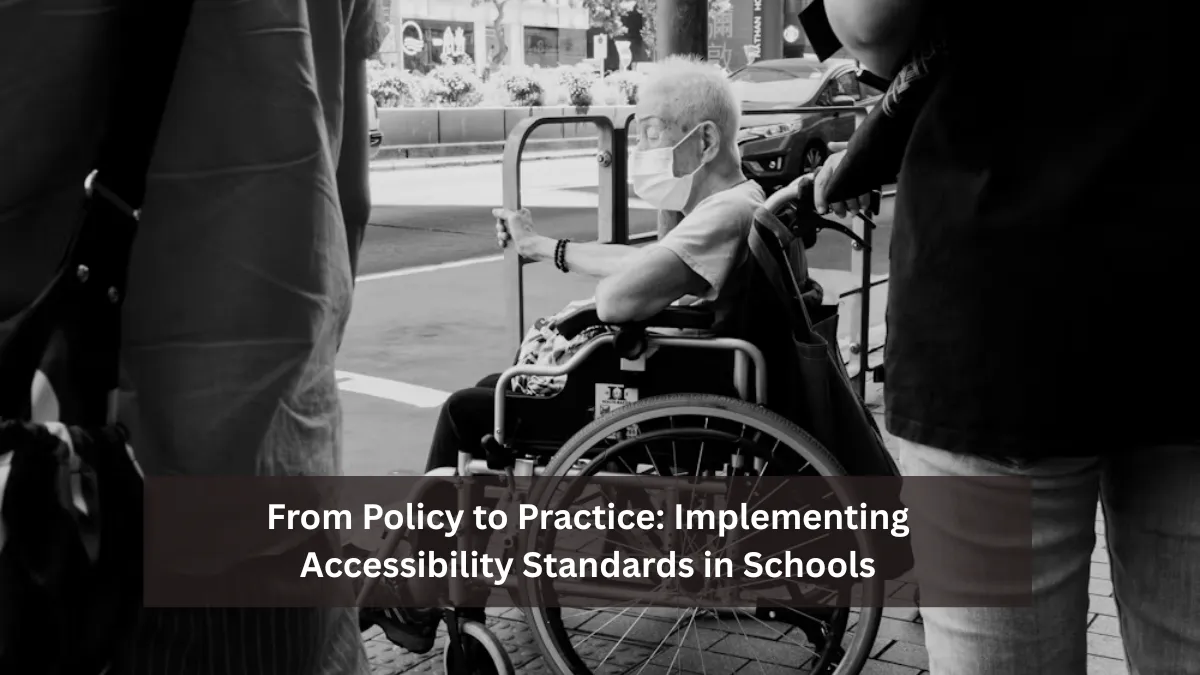
Creating accessible schools begins with physical spaces. Architectural accessibility ensures that students with mobility challenges can move freely and safely. This involves installing ramps, wide doorways, accessible restrooms, and properly designed classrooms. However, true accessibility extends beyond physical spaces to sensory and cognitive aspects of the learning environment.
Lighting, acoustics, and classroom layout can significantly influence how students engage with materials and peers. For instance, clear visual signage benefits both hearing-impaired and non-disabled students, while acoustically balanced classrooms support learners with attention difficulties.
Accessibility must also extend to extracurricular activities and shared facilities such as libraries and sports complexes. A student’s right to participate does not end at the classroom door; it encompasses every part of school life. Schools that prioritize inclusive design create a sense of belonging for all.
Digital Accessibility and Inclusive Technology
In the digital age, accessibility must include technology. Many schools now rely on online platforms, e-learning materials, and digital communication tools. Unfortunately, these systems often pose new challenges for students with disabilities.
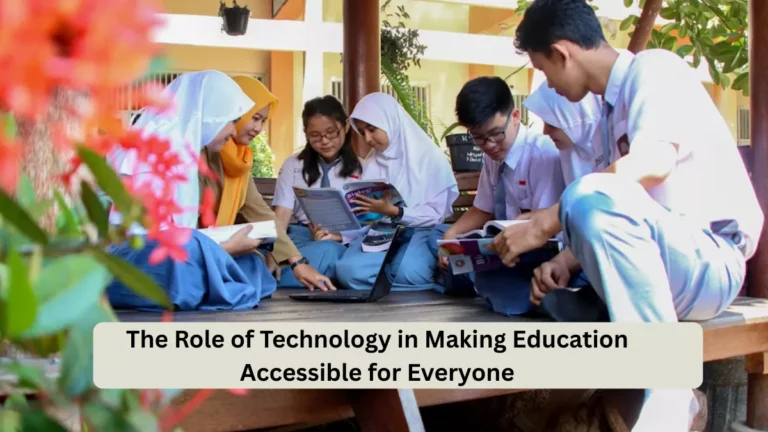
Digital accessibility ensures that online content, applications, and devices are usable by all students. This involves using screen-reader-friendly websites, captions for videos, text-to-speech software, and accessible formats for documents. Teachers must also ensure that digital assessments and learning platforms meet accessibility guidelines.
Inclusive technology can transform education when applied effectively. For example, speech recognition tools support students with motor impairments, while visual aids help learners with dyslexia. Schools should invest in assistive technologies and ensure that teachers receive training to integrate them effectively into lessons.
Ultimately, technology should bridge gaps, not create new ones. Regular audits of digital tools can help schools identify and address accessibility shortcomings before they become barriers.
Professional Development for Educators
One of the most significant factors influencing accessibility success is teacher preparation. Even the best policies and resources fall short if educators lack the knowledge to apply them effectively. Professional development programs should emphasize universal design for learning (UDL), inclusive pedagogy, and adaptive instruction methods.
Teachers should be equipped to recognize diverse needs and select appropriate strategies. This might include simplifying language in instructional materials, providing alternative assessments, or incorporating multi-sensory approaches. Collaboration among teachers, special educators, and therapists ensures holistic support for every learner.
Moreover, training should not be a one-time event. Ongoing workshops, peer mentoring, and reflective practices sustain accessibility implementation over time. Schools that invest in teacher competence build long-term capacity for inclusion.
The Role of School Leadership and Policy Frameworks
Leadership commitment determines whether accessibility becomes a priority or remains a theoretical goal. School leaders set the tone by integrating accessibility into institutional policies, budgeting, and evaluation systems. They must ensure accessibility goals are measurable, transparent, and regularly reviewed.
Effective leaders engage stakeholders—including parents, students, and community organizations—in accessibility planning. This participatory approach ensures that decisions reflect real needs. Leaders who foster a culture of accountability and empathy inspire staff to treat accessibility not as an obligation, but as a shared value.
Policy frameworks must also evolve with changing needs. Schools should update accessibility policies to align with technological advances and new teaching methodologies. Regular policy reviews help institutions remain compliant and responsive to student diversity.
Measuring Impact and Ensuring Continuous Improvement
Accessibility implementation should not end with installation or policy approval. Schools must establish mechanisms to evaluate progress and outcomes. Evaluation includes assessing student participation, satisfaction, and academic achievement.
Collecting feedback from students, parents, and teachers helps identify gaps and success areas. This feedback should inform adjustments in teaching methods, infrastructure, and technology. Continuous improvement ensures accessibility remains dynamic rather than static.
Data-driven decision-making enhances accountability. Schools that use performance metrics and case studies can demonstrate tangible progress and justify resource allocation. Ultimately, accessibility is an evolving process—one that must adapt to new challenges and opportunities.
Actionable Strategies for Schools
To translate accessibility goals into results, schools can take several concrete steps. They can start by conducting accessibility audits to identify existing barriers. Once these are identified, schools should prioritize improvements based on urgency and impact.
Creating an accessibility committee with representation from staff, students, and parents ensures that diverse perspectives shape decisions. Establishing feedback channels allows continuous input from the community.
Most importantly, accessibility must be embedded in the school’s vision and daily operations. When accessibility is seen as a natural part of education rather than a special project, inclusivity becomes sustainable.
Overcoming Common Challenges
Implementing accessibility often encounters practical and financial challenges. Limited budgets, outdated infrastructure, and lack of awareness can delay progress. However, many solutions are achievable through strategic planning and resource reallocation.
Partnerships with local authorities, NGOs, and businesses can provide funding or technical support. Schools can also leverage open-source digital tools and community expertise to reduce costs. Most importantly, leadership commitment can turn constraints into opportunities by encouraging innovation and collaboration.
Changing mindsets is perhaps the greatest challenge. True inclusion requires shifting from viewing accessibility as a favor to seeing it as a right. Schools that embrace this philosophy create stronger, more empathetic learning communities.
Conclusion
Implementing accessibility standards in schools is both a practical necessity and an ethical responsibility. Moving from policy to practice requires leadership, training, and continuous evaluation. Accessibility is not a one-time project but a sustained commitment to inclusion, equality, and human dignity.
When schools adopt accessible design and inclusive teaching, they send a powerful message—that every learner matters, that differences are valued, and that education is truly for all. The transformation begins when accessibility stops being an afterthought and becomes a foundational principle guiding every decision.
FAQs
What does accessibility in schools mean?
Accessibility ensures that all students, including those with disabilities, can participate fully in learning environments without barriers.
Why is implementing accessibility standards important?
It ensures equal opportunities, improves learning outcomes, and fosters inclusion for students of all abilities.
How can schools improve digital accessibility?
By using screen-reader-friendly websites, captioned media, and accessible learning platforms that support diverse learners.
What role do teachers play in accessibility?
Teachers design lessons, adapt materials, and use inclusive strategies that turn accessibility policies into classroom reality.
How can schools measure accessibility success?
By collecting feedback, tracking student progress, and continuously improving based on measurable outcomes and evaluations.
✨ You May Also Like ✨