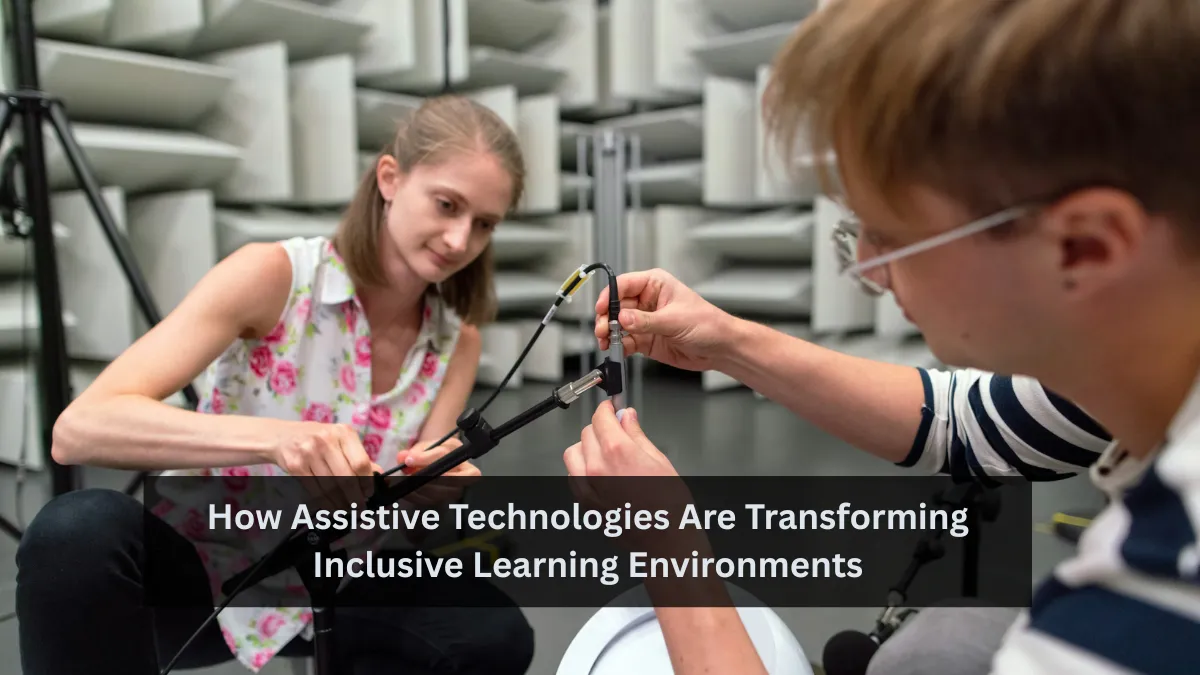
Education has long been seen as the great equalizer, yet for millions of students with disabilities, traditional classrooms have not always provided an equal opportunity to learn. Today, that landscape is changing rapidly thanks to the rise of assistive technologies. These innovations are reshaping how learners with physical, sensory, and cognitive challenges access education, engage with teachers, and reach their potential. From speech-to-text tools to AI-driven learning platforms, assistive technologies are not just enhancing inclusion—they are redefining what inclusive education truly means.
In this article, we’ll explore how assistive technologies are transforming learning environments, empowering students, and helping educators build classrooms where every learner thrives. Readers will gain insight into the latest developments, real-world examples, and practical strategies for integrating assistive tech effectively in both traditional and digital learning spaces.
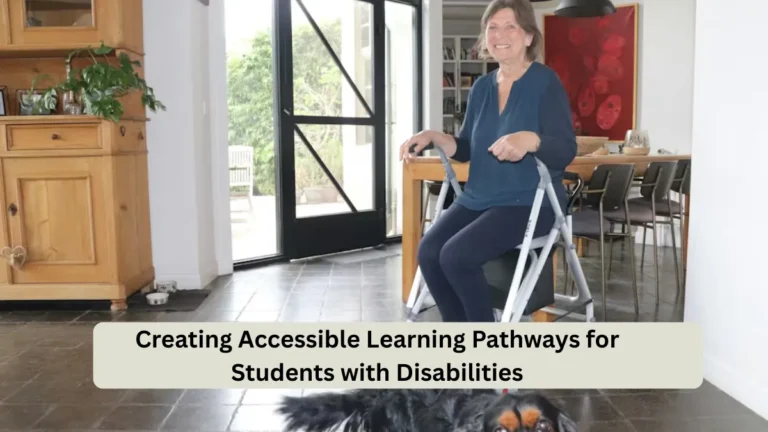
 Creating Accessible Learning Pathways for Students with Disabilities
What Are Assistive Technologies and Why They Matter
Assistive technologies (AT) refer to devices, software, or systems designed to support individuals with disabilities in performing tasks that might otherwise be difficult or impossible. In educational settings, these tools bridge the gap between potential and performance, ensuring that all learners can participate fully.
Examples include screen readers for visually impaired students, hearing aids and captioning tools for those with auditory challenges, and adaptive keyboards for students with motor difficulties. Modern assistive technologies have evolved far beyond simple aids; they now incorporate artificial intelligence, speech recognition, and machine learning to personalize learning experiences in real time.
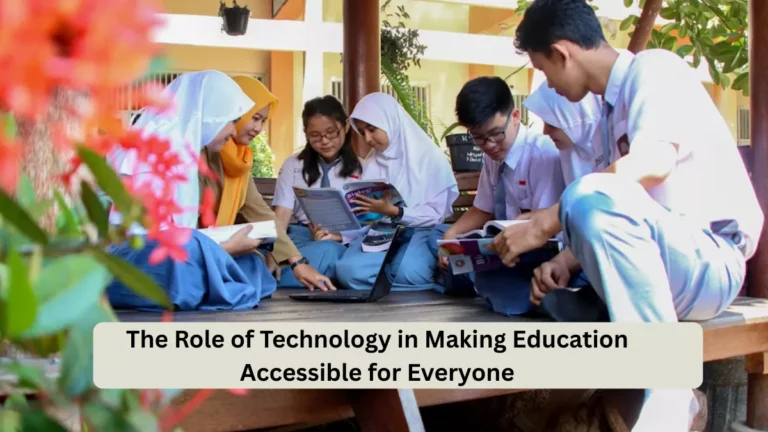
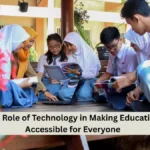 The Role of Technology in Making Education Accessible for Everyone
The importance of these technologies lies in their power to promote independence, confidence, and equal access to education. They help level the playing field, ensuring that disability no longer determines a learner’s opportunity to succeed.
The Evolution of Assistive Technology in Education
Over the past two decades, assistive technology has evolved from specialized hardware into accessible and mainstream digital solutions. In the early days, tools were often expensive and limited to specific institutions. Today, cloud-based applications and affordable software have made AT accessible to schools and students worldwide.
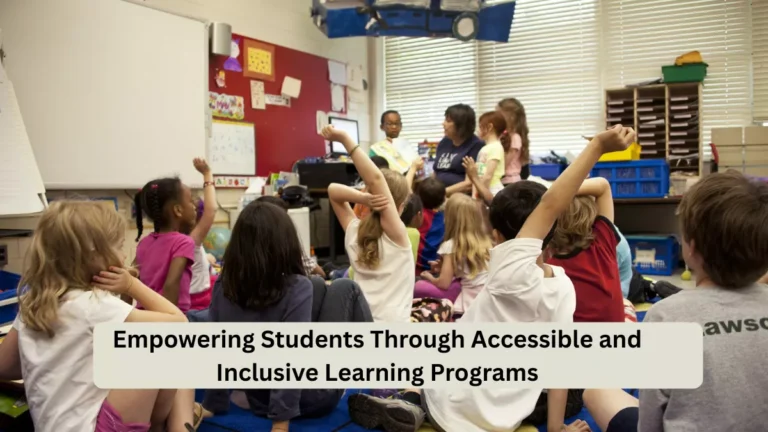
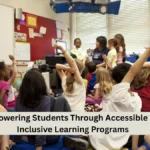 Empowering Students Through Accessible and Inclusive Learning Programs
For example, early text-to-speech programs were mechanical and rigid, but now AI-driven tools can interpret context, tone, and even emotion. Similarly, visual recognition systems can now describe objects and environments to students who are blind, offering a richer and more interactive experience. The shift from isolated devices to integrated platforms has revolutionized inclusive education by embedding accessibility features directly into widely used learning tools like tablets and laptops.
This evolution reflects a larger shift in educational philosophy: inclusivity is no longer optional but essential.
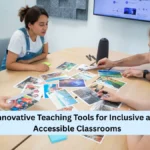 Innovative Teaching Tools for Inclusive and Accessible Classrooms
Enhancing Learning Through Personalized Experiences
One of the most profound benefits of assistive technologies is their ability to personalize learning. No two learners are alike, and students with disabilities often require unique approaches to education. Assistive technology enables educators to customize lessons based on individual strengths and needs.
For instance, students with dyslexia can use advanced reading applications that highlight text as it is read aloud, improving comprehension and engagement. Learners with ADHD can benefit from time-management apps and visual scheduling tools that promote structure and focus. For students on the autism spectrum, visual communication apps help interpret emotions and social cues, reducing anxiety and improving participation.
 Accessibility in Education: Bridging the Gap Between Policy and Practice
Personalized learning powered by assistive technology not only supports academic achievement but also fosters a sense of ownership and confidence in students. It turns learning from a struggle into an empowering experience.
Assistive Technologies Driving Inclusion in the Classroom
The integration of assistive technology in inclusive classrooms benefits all learners, not only those with disabilities. Universal Design for Learning (UDL), an educational framework that aims to make learning accessible to everyone, is now closely aligned with the use of assistive technologies.
In a typical inclusive classroom, a student with hearing impairment might use captioned videos while another uses voice-to-text software to complete assignments. These tools encourage collaboration and understanding among peers. Teachers can also leverage data from learning apps to monitor progress and identify areas needing extra support, ensuring no student is left behind.
Moreover, assistive technology helps reduce the stigma around disability. When accessibility tools are seamlessly embedded into daily instruction, they become part of the learning culture rather than a marker of difference. This integration nurtures empathy, respect, and teamwork—key ingredients of a truly inclusive environment.
Real-World Examples of Assistive Technologies in Action
Across the globe, schools and universities are embracing assistive technologies to create more equitable learning environments. Speech-to-text programs like Dragon NaturallySpeaking empower students with physical disabilities to write essays through voice commands. Screen readers such as JAWS and NVDA make digital textbooks accessible to blind students, while hearing-impaired learners benefit from captioning systems integrated into virtual classrooms.
In higher education, AI-powered note-taking tools record lectures and summarize key points automatically. This is particularly helpful for students who cannot take notes quickly or have memory difficulties. Virtual reality (VR) and augmented reality (AR) are also finding a place in inclusive learning. These immersive tools provide sensory experiences that enhance understanding for students with learning disabilities, making abstract concepts more tangible.
Each of these examples demonstrates how assistive technologies transform barriers into bridges—turning limitations into opportunities for growth.
The Role of Educators in Implementing Assistive Technologies
While assistive technology offers immense potential, its success depends heavily on the educators who implement it. Teachers must receive proper training to integrate these tools effectively into their teaching methods. Many schools now include professional development programs that focus on digital accessibility and inclusive pedagogy.
Educators play a vital role in identifying the right tools for individual students. They collaborate with special education professionals, therapists, and families to ensure the chosen technology aligns with a student’s goals. Moreover, teachers must create an environment that encourages experimentation and feedback. Students should feel comfortable trying different tools until they find the one that best supports their learning style.
When educators champion assistive technology, they become advocates for equity and innovation in education.
Overcoming Barriers to Accessibility
Despite tremendous progress, several challenges remain in making assistive technologies universally available. Cost is one major barrier, particularly in low-income or rural schools. Even though software-based solutions have become more affordable, the lack of infrastructure and training often limits their adoption.
Another challenge lies in awareness. Some educators are unaware of the range of assistive tools available or how they can benefit all learners. Additionally, outdated policies and rigid curricula can prevent schools from fully integrating technology into their systems.
Addressing these barriers requires a collaborative effort between governments, educational institutions, and technology developers. Investment in accessible technology must be paired with clear policies promoting digital inclusion. Only then can assistive technology truly reach every learner who needs it.
The Future of Assistive Technology in Inclusive Learning
The future of inclusive education looks promising as emerging technologies continue to push boundaries. Artificial intelligence is set to make learning even more adaptive, predicting student needs in real time and adjusting content accordingly. Eye-tracking software will give physically disabled students new ways to control devices, while haptic feedback tools will make virtual environments more immersive for visually impaired learners.
Moreover, mainstream technology companies are embedding accessibility features into their products by default. This shift ensures that assistive functionality becomes part of the educational experience for all, not a separate or optional add-on. The goal is a future where the term “assistive technology” fades away because every piece of educational technology is inherently inclusive.
The transformation is ongoing, but one thing is clear—assistive technology is not just helping students learn; it is reshaping what learning means in a connected world.
Conclusion: Building a Truly Inclusive Future
The integration of assistive technologies into education represents one of the most powerful shifts in modern learning. It brings us closer to a world where every student, regardless of ability, can learn, grow, and contribute meaningfully. By embracing these innovations, educators and institutions are not only enhancing academic outcomes but also fostering empathy, equity, and inclusion.
The journey toward fully inclusive learning environments requires commitment, investment, and awareness. However, the rewards—empowered students, engaged teachers, and accessible classrooms—make it a mission worth pursuing. As technology continues to evolve, so will our capacity to make learning more inclusive, adaptive, and human-centered.
FAQs
What are assistive technologies in education?
Assistive technologies are tools or devices that help students with disabilities access and participate in learning effectively.
How do assistive technologies promote inclusion?
They remove learning barriers, enabling students with diverse abilities to participate equally in classroom activities.
Can assistive technology benefit students without disabilities?
Yes, many tools improve learning for all students, enhancing engagement, comprehension, and flexibility.
What challenges exist in adopting assistive technologies?
Limited funding, lack of awareness, and insufficient training are common barriers to implementation.
What is the future of assistive technology in education?
Advancements in AI, VR, and adaptive learning tools will make education more personalized and inclusive
✨ You May Also Like ✨