
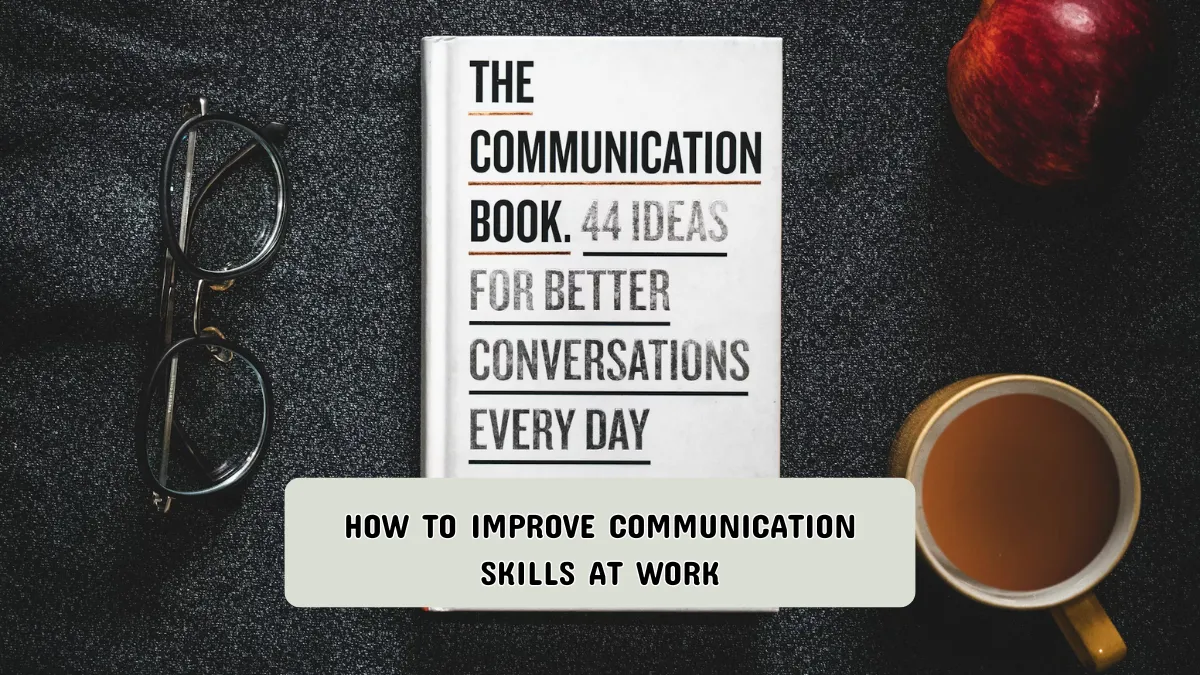
Good communication skills are one of the most valuable assets in any workplace. Whether you’re part of a large team, working remotely, or managing people, your ability to express yourself clearly can shape your career success. Many professionals struggle with communication—either they have trouble speaking up, misunderstand others, or feel nervous during meetings. The good news is that communication is a skill anyone can improve with practice and awareness.
Why Communication Problems Happen
Communication issues at work often arise because people have different ways of expressing themselves. Sometimes it’s about tone, timing, or unclear wording. In other cases, stress, fear of judgment, or workplace pressure can make it difficult to communicate confidently. Misunderstandings can also occur when people rely too much on emails or texts instead of face-to-face conversations. Recognizing what’s causing the problem is the first step toward improvement.


Step 1: Start by Actively Listening
One of the most powerful ways to improve communication is to focus on listening. Many people think communication means talking, but real connection starts with understanding others. When someone is speaking, give them your full attention—avoid interrupting, put away your phone, and make eye contact. Listening carefully helps you respond thoughtfully instead of reacting too quickly. For example, if your coworker shares a concern, repeating their main point before replying shows that you care and truly heard them.
Step 2: Be Clear and Concise
Clarity is essential in professional communication. Whether you’re writing an email or speaking in a meeting, keep your message simple and direct. Avoid using too many technical terms unless everyone understands them. If you’re giving instructions, break them into short, clear steps. A good rule of thumb: if someone can summarize what you said in one sentence, you’ve communicated well. For instance, instead of saying “We might want to look into possibly adjusting our plan,” say “Let’s revise our plan by Friday.”

Step 3: Practice Empathy in Every Interaction
Empathy means trying to understand what others feel or need. In a diverse workplace, empathy builds trust and reduces conflict. Before replying to a message or speaking in a tense meeting, take a moment to consider the other person’s point of view. Using phrases like “I understand how that could be frustrating” or “Thanks for sharing your thoughts” can make communication smoother. Empathy turns ordinary conversations into meaningful teamwork.
Step 4: Improve Nonverbal Communication
Words are only part of communication. Your body language, facial expressions, and tone of voice all send messages. A friendly smile, nodding when others speak, or keeping an open posture can make you appear approachable and confident. If you often work remotely, pay attention to your tone in written messages. Using polite language and greetings like “Good morning” or “Thanks for your help” can make virtual communication feel warmer and more personal.

Step 5: Ask Questions and Clarify
Misunderstandings often happen because people assume instead of asking. If something isn’t clear, ask for clarification right away. It shows professionalism, not weakness. For example, if a manager gives you a task without full details, you might say, “Just to make sure I understand, do you want the report by Friday or next week?” Asking questions prevents mistakes and ensures everyone stays on the same page.
Step 6: Manage Emotions During Difficult Conversations
Tough conversations happen in every workplace—whether it’s giving feedback, handling disagreements, or managing stress. The key is to stay calm and professional. Take a few deep breaths before responding, and avoid raising your voice. Focus on facts, not feelings. For example, instead of saying, “You never help me,” say, “I noticed I’ve been handling most of the reports lately—can we share the workload more evenly?” Managing emotions allows you to solve problems instead of creating new ones.

Step 7: Seek Feedback and Keep Practicing
Like any skill, communication improves with feedback. Ask trusted coworkers or supervisors for honest input on how you communicate. You might say, “I’m working on improving my communication—do you have any suggestions?” Attend workshops, join speaking clubs, or take online courses to strengthen your skills. Even reading books on communication can help. The more you practice, the more natural it becomes to express yourself clearly and confidently.
Common Mistakes to Avoid
Many people unknowingly weaken their communication by doing small things. Avoid speaking too fast, using negative language, or dominating conversations. Don’t assume others understand your point of view—always check in. Also, be careful with humor in professional settings, as it can be misunderstood. Finally, never send messages in anger; step away and respond later when you can think clearly.

Helpful Tips to Strengthen Workplace Communication
- Start meetings with a quick summary of goals and expectations.
- Use “I” statements to express your thoughts without sounding accusatory.
- Keep digital communication professional—avoid slang or overly casual words.
- Listen more than you speak, especially during conflicts.
- End conversations with clear next steps or agreements.
FAQs
How can I communicate better with my manager?
Be direct but respectful. Prepare before discussions, focus on solutions, and follow up with written summaries to confirm understanding.
What’s the best way to handle misunderstandings at work?
Address them early and calmly. Clarify what was meant, apologize if needed, and restate your intentions to avoid confusion.
How do I improve communication in remote work?
Use video calls for important discussions, write clear emails, and check in regularly. Always keep a friendly, professional tone online.
How can I become more confident when speaking in meetings?
Practice in small groups, prepare your points in advance, and focus on the message rather than how you sound. Confidence grows with repetition.
What if English isn’t my first language?
Practice daily conversations, read aloud, and watch English videos or podcasts. Your effort matters more than perfection.
Conclusion: Communication Is a Lifelong Skill
Improving communication skills at work doesn’t happen overnight, but every small effort counts. By listening actively, being clear, and showing empathy, you’ll build stronger relationships and create a more positive work environment. Whether you’re an intern or a senior professional, communication remains the foundation of career growth. Keep practicing, stay patient, and remember—effective communication is not about speaking more, but about connecting better.
✨ You May Also Like ✨