
Online exams have become a regular part of education and professional development in the United States. From college assessments to certification tests, many people now take exams from home or other remote settings. However, preparing for online exams can be challenging due to distractions, technology issues, and unfamiliar formats. Understanding how to study, plan, and set up your environment can make a big difference in achieving good results.
Why Online Exams Feel More Challenging
Many test-takers struggle with online exams because they require more self-discipline and technical readiness. At home, distractions like noise, social media, or multitasking can easily interrupt focus. Some students also feel anxious about technical problems, such as internet connection issues or unfamiliar testing software.
 Creating Accessible Learning Pathways for Students with Disabilities
Others underestimate how much preparation is needed, assuming online exams are easier than in-person ones. In reality, the key challenge is balancing effective study habits with a reliable setup.
Step 1: Understand the Exam Format
Start by learning everything you can about the exam structure. Find out if it’s multiple choice, essay-based, or a mix of both. Check whether you’ll have time limits for each question or section. Knowing this helps you organize your study sessions to match the type of questions you’ll face. For example, if it’s a timed exam with multiple-choice questions, practice answering similar questions quickly to build accuracy and speed.
 The Role of Technology in Making Education Accessible for Everyone
Step 2: Create a Study Schedule
A clear schedule prevents last-minute stress. Break down the topics into smaller sections and assign specific days to each. For instance, if your exam covers five major subjects, dedicate one subject per day and review on the sixth day. Use short study sessions with breaks to maintain focus. Set achievable goals—such as reading two chapters per session—rather than cramming everything in one night.
Step 3: Prepare Your Study Environment
Your environment plays a major role in how well you study and take the exam. Choose a quiet, comfortable spot with good lighting and minimal distractions. Keep your phone on silent or in another room if possible. If you live with family or roommates, let them know your exam schedule so you can have uninterrupted time. Consider using noise-canceling headphones or instrumental music if you need background sound to concentrate.
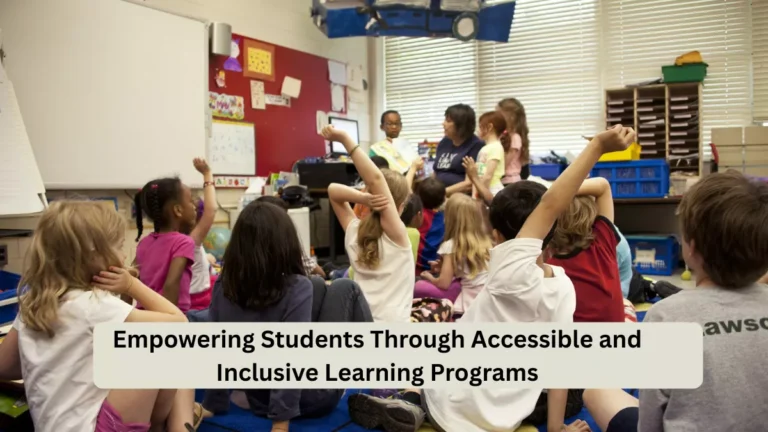
 Empowering Students Through Accessible and Inclusive Learning Programs
Step 4: Check Your Technology Early
Since online exams depend on technology, make sure your devices are working well. Test your computer, internet connection, and any required software at least a few days before the exam. If the exam uses a webcam or proctoring tool, practice using it beforehand. Keep your charger plugged in during the test and have a backup plan, such as a mobile hotspot, in case of an internet issue. This preparation avoids panic during the actual exam.
Step 5: Take Practice Tests
Practice exams help you understand what to expect and identify weak areas. Many online platforms offer sample tests or past papers. Set a timer and simulate real exam conditions to build endurance and confidence. After each practice session, review your mistakes and focus on those topics. This approach strengthens your problem-solving skills and reduces test anxiety.
 Innovative Teaching Tools for Inclusive and Accessible Classrooms
Step 6: Organize Your Notes and Resources
Keep your notes neat and accessible. Use color-coded folders or digital documents for each subject. If the exam allows open notes, make a quick reference sheet with key formulas, terms, or summaries. This saves valuable time during the test. However, if the exam is closed-book, rely on this step for review purposes only. Organizing materials also reinforces memory through repetition and structure.
Step 7: Manage Your Time During the Exam
Time management is crucial in online exams. Read all instructions carefully before starting. If you get stuck on one question, move to the next and come back later if time allows. Use the timer to pace yourself through each section. Try not to rush, but also avoid overthinking questions. Staying calm and focused can help you finish all sections efficiently without errors.
 Accessibility in Education: Bridging the Gap Between Policy and Practice
Step 8: Stay Calm and Focused
Nervousness can affect performance, even for well-prepared test-takers. Before the exam, take deep breaths and visualize success. Have water nearby and avoid heavy meals that make you sluggish. If anxiety rises, pause briefly, stretch your hands, or close your eyes for a few seconds. Remind yourself that your preparation has built the foundation for success.
Common Mistakes to Avoid
- Procrastinating: Waiting until the last minute increases stress and reduces memory retention.
- Ignoring technical checks: Many test issues occur because of untested software or poor connectivity.
- Multitasking while studying: Dividing attention between screens or activities lowers study quality.
- Skipping breaks: Continuous studying without rest leads to fatigue and reduced focus.
Helpful Tips for Better Results
- Stick to a consistent study routine every day leading up to the exam.
- Use online study groups to discuss challenging topics.
- Sleep well the night before; rest helps with focus and recall.
- Keep snacks and water nearby to stay energized during longer tests.
- Review summaries instead of reading full chapters the night before.
FAQs
How early should I start preparing for an online exam?
Ideally, start preparing at least two weeks before the exam. This gives you enough time to review, take practice tests, and fix any technical issues ahead of time.
What should I do if my internet disconnects during the exam?
Stay calm and reconnect as soon as possible. Many exam platforms allow short reconnect windows. If the issue continues, contact the exam support team immediately. Always have a backup internet option, such as a mobile hotspot.
Are online exams harder than in-person tests?
Not necessarily. The difficulty depends on the exam format and your preparation level. Online exams require more self-discipline and focus but can be easier for those comfortable with digital tools.
How can I stay focused while studying at home?
Eliminate distractions by setting clear boundaries. Study in a quiet area, turn off notifications, and use the “Pomodoro” method—25 minutes of focused work followed by a short break.
What items should I have ready before the test?
Have your ID, computer charger, stable internet connection, any allowed notes, and water. Check your login details in advance and close all unnecessary programs.
Conclusion
Preparing for online exams takes planning, discipline, and awareness of your environment. By understanding the exam format, organizing your study time, and ensuring your technology is reliable, you can approach your test with confidence. Focus on building consistent study habits and managing stress. With the right preparation, online exams can be just as successful—and sometimes even more convenient—than traditional in-person tests.
✨ You May Also Like ✨