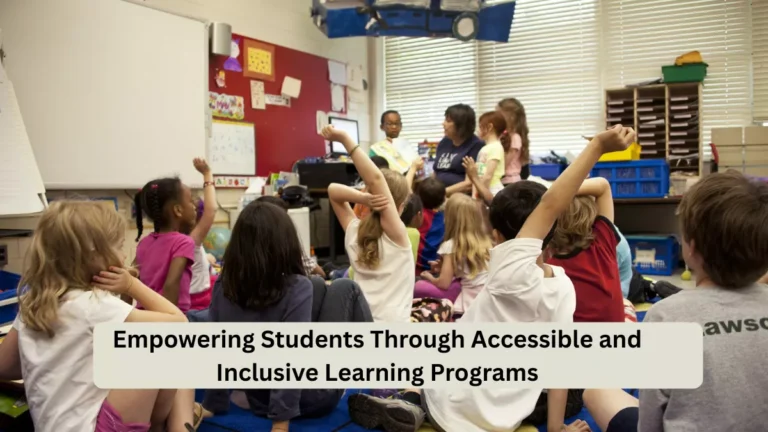

Creating inclusive classrooms is one of the most important goals in modern education. Today’s schools are more diverse than ever, with students from different cultural, social, and ability backgrounds learning side by side. Inclusive education ensures that students with special needs are not separated from their peers but are instead given equal opportunities to learn and participate in general classrooms.
This approach helps every student feel valued, respected, and capable of success. For teachers and schools, adopting inclusive practices means transforming traditional teaching methods into flexible strategies that meet the needs of all learners. This article explores best practices for teaching students with special needs, offering educators practical guidance, proven techniques, and inspiration to create classrooms where every student thrives.

Understanding Inclusive Education
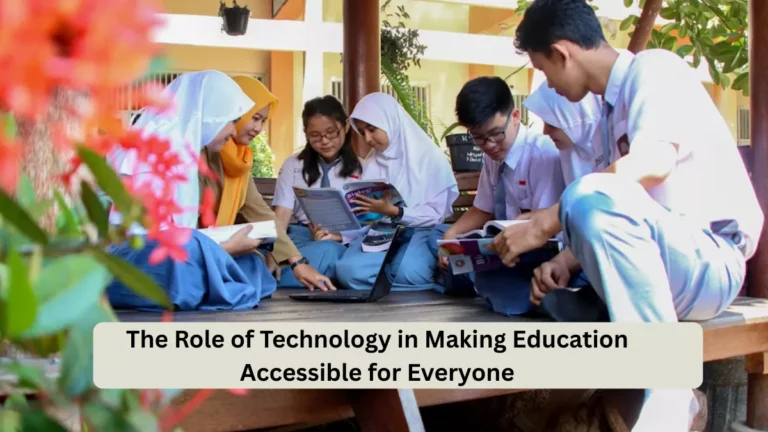
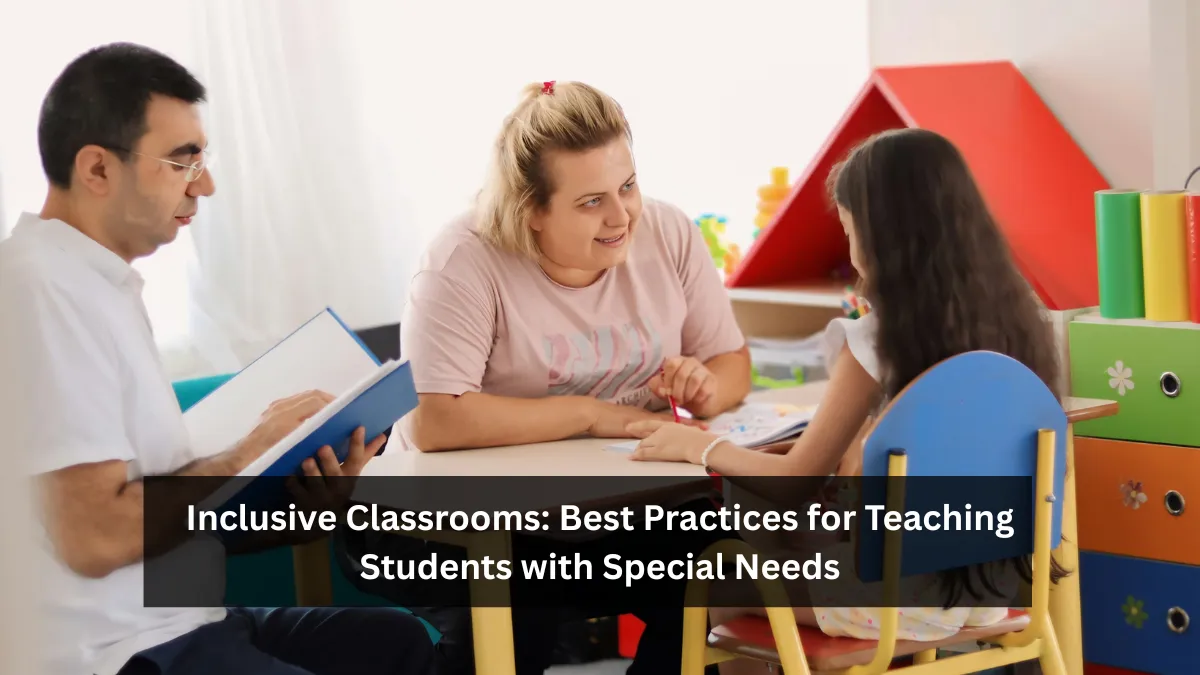
Inclusive education is based on the belief that all students, regardless of their physical, intellectual, social, or emotional differences, should learn together. It is not simply about placing students with disabilities in general classrooms—it is about ensuring they have the necessary support to succeed. Teachers play a critical role in identifying each child’s strengths and challenges, adapting lessons to suit individual learning needs, and promoting collaboration among all students.
Inclusion also benefits typically developing peers, who gain empathy, respect for diversity, and teamwork skills. Research consistently shows that inclusive classrooms improve academic performance and social development for all students when implemented effectively.
Recognizing Diverse Learning Needs
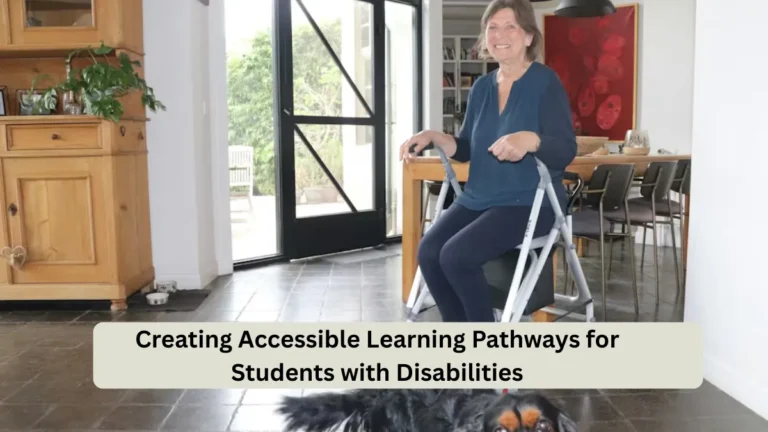
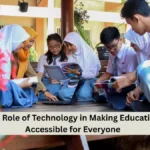
Every student learns differently, but for students with special needs, the range of differences can be wider. Some students may have learning disabilities such as dyslexia, dyscalculia, or ADHD, while others might have sensory impairments or autism spectrum disorders. Recognizing these differences early allows teachers to implement effective strategies that promote understanding and participation.
Educators can use formative assessments, classroom observations, and collaboration with specialists to identify each student’s unique needs. The goal is not to lower academic expectations but to provide the right tools, environments, and instructional supports to help every learner succeed.
Building a Supportive Classroom Environment
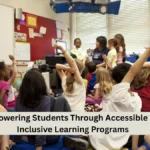
The physical and emotional environment of a classroom plays a vital role in inclusion. A supportive space goes beyond wheelchair accessibility or visual aids—it must also foster belonging, respect, and psychological safety. Teachers should establish clear rules about respect and kindness, encouraging students to support one another.
Visual schedules, structured routines, and predictable transitions can help students with autism or anxiety feel more secure. Flexible seating arrangements, calm-down corners, and sensory-friendly spaces allow students to regulate emotions and focus better. Creating such an environment shows students that differences are not barriers but natural parts of the human experience.
Differentiated Instruction and Universal Design for Learning
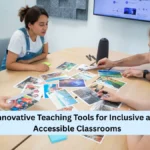
Differentiated instruction is at the heart of inclusive teaching. It means designing lessons that can be adapted for various learning styles, abilities, and interests. For example, a reading activity might include text, audio, and visual formats so students can engage in ways that suit them best. Universal Design for Learning (UDL) expands this concept by ensuring that learning materials and activities are accessible to everyone from the start.
Teachers can apply UDL principles by offering multiple means of engagement, representation, and expression. For instance, students can choose how they demonstrate understanding—through writing, speaking, drawing, or digital presentations. When instruction is intentionally flexible, inclusion becomes a natural outcome rather than an added challenge.
Collaborative Teaching and Team Support
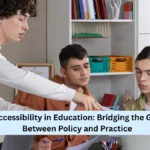
Effective inclusion requires collaboration among teachers, support staff, and specialists. Co-teaching models are highly successful in inclusive classrooms, where general and special education teachers work together to plan lessons, monitor progress, and adapt strategies. This shared responsibility ensures that students receive targeted support without feeling singled out.
Collaboration also extends to speech therapists, occupational therapists, counselors, and paraprofessionals who contribute valuable expertise. Regular team meetings, open communication, and shared professional development build a culture of cooperation that directly benefits students. Parents are also vital partners in this process, as their insights help educators understand how a child learns and behaves beyond the classroom.
Using Assistive Technology Effectively
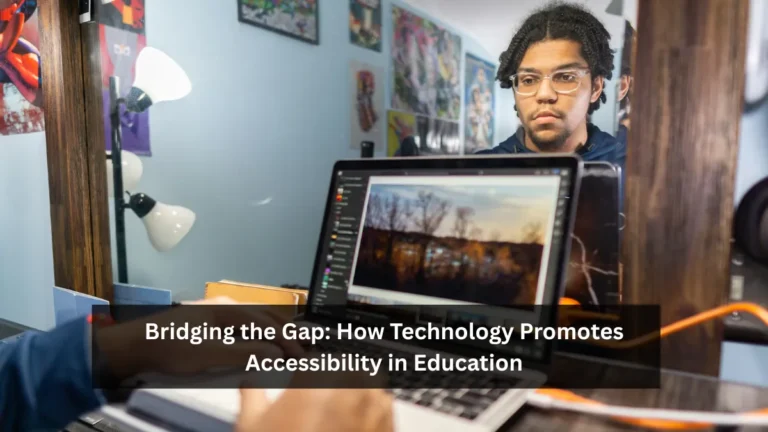
Technology plays a transformative role in inclusive education. Assistive tools such as text-to-speech software, speech recognition programs, and visual learning apps help bridge gaps for students with disabilities. Tablets and interactive whiteboards allow teachers to present information in multiple formats, ensuring accessibility for all learners.
For instance, a student with dyslexia might use audiobooks to access the same material as peers, while a student with motor impairments may rely on voice commands to write. However, technology must be used thoughtfully. Teachers should ensure that digital tools enhance learning rather than isolate students or replace human interaction. The goal is always to empower students to learn independently and confidently.
Encouraging Peer Support and Social Inclusion
True inclusion is not just academic—it is also social. Students with special needs often face barriers to friendship and participation, which can lead to isolation or bullying. Teachers can encourage peer support by pairing students strategically during group work and fostering empathy through classroom discussions about diversity.
Social-emotional learning (SEL) programs are effective in helping all students understand emotions, build positive relationships, and manage conflicts constructively. Celebrating differences through class activities or inclusive storytelling also strengthens community bonds. When peers become allies instead of bystanders, classrooms transform into spaces of acceptance and shared growth.
Continuous Professional Development for Teachers
Teaching in an inclusive classroom requires ongoing learning. Educational practices and research on special needs evolve constantly, and teachers must stay informed to remain effective. Schools should provide regular professional development on topics such as behavior management, differentiated instruction, and trauma-informed teaching.
Workshops, mentorship programs, and peer observations allow teachers to exchange strategies and reflect on their own practices. Beyond training, cultivating an inclusive mindset is equally important. Teachers who view challenges as opportunities for creativity and growth inspire the same resilience in their students. Commitment to professional growth ensures that inclusion remains sustainable and effective over time.
Promoting Emotional and Behavioral Support
Many students with special needs struggle with emotional regulation or behavioral challenges that affect their learning experience. Teachers can use positive behavioral interventions and supports (PBIS) to create clear expectations and reinforce appropriate behaviors. Instead of punitive measures, PBIS emphasizes understanding the reasons behind a student’s behavior and teaching alternative ways to respond.
Emotional support can also come through mindfulness exercises, check-in routines, or personalized behavior plans. Teachers who listen with empathy and respond with consistency build trust, which is essential for emotional safety. By combining structure with compassion, educators help students develop the self-regulation skills needed for lifelong success.
Assessment and Fair Evaluation
Assessment in inclusive classrooms must reflect a student’s individual learning progress rather than a comparison with peers. Traditional exams often fail to capture the diverse abilities of special needs students. Teachers can use alternative assessments such as portfolios, project-based evaluations, or oral presentations. These methods allow students to demonstrate understanding in ways that align with their strengths.
Accommodations like extra time, simplified instructions, or visual aids ensure fairness while maintaining academic rigor. Transparent grading criteria and regular feedback motivate students to focus on growth, not perfection. Inclusive assessment practices validate effort, progress, and perseverance.
The Role of Parents and Families
Parents are crucial partners in inclusive education. They provide insight into their child’s personality, strengths, and challenges, helping teachers design more effective support plans. Regular communication between schools and families builds trust and ensures consistency between home and classroom expectations. Teachers should involve parents in decision-making processes, from Individualized Education Program (IEP) meetings to progress reviews.
When parents feel heard and respected, collaboration flourishes. Additionally, schools can organize family workshops to equip parents with strategies for supporting learning at home. Strong family-school partnerships amplify the impact of inclusive education by creating a united network of support.
Building an Inclusive School Culture
Inclusive classrooms cannot exist in isolation—they thrive in schools where inclusion is part of the culture. School leaders must prioritize policies that support diversity, equity, and inclusion at every level. Professional development, resource allocation, and leadership modeling all influence how inclusion is practiced. When principals and administrators champion inclusion, teachers feel empowered to take creative risks and advocate for their students.
Celebrating inclusive successes, sharing best practices, and recognizing staff efforts reinforce the school’s collective commitment to equity. A truly inclusive school culture benefits not only students with special needs but every learner who seeks belonging and opportunity.
Conclusion
Inclusive classrooms are more than just educational spaces—they are reflections of society’s commitment to fairness, compassion, and shared progress. Teaching students with special needs is not a challenge to be solved but an opportunity to redefine what learning can look like for everyone. Through understanding, adaptation, and collaboration, teachers can create environments where every student is supported and celebrated.
The best practices outlined here—differentiated instruction, emotional support, technology use, and teamwork—are not isolated strategies but interconnected pathways to inclusion. The future of education depends on embracing these principles so that no student is left behind, and every learner feels empowered to reach their fullest potential.
FAQs
What does inclusive education mean?
Inclusive education ensures all students, regardless of ability, learn together in the same classroom with appropriate support.
How can teachers support special needs students?
Teachers can use flexible instruction, assistive technology, and personalized strategies to help each student succeed.
Why is inclusion important in schools?
Inclusion promotes equality, empathy, and shared learning, benefiting both students with and without disabilities.
What role do parents play in inclusive education?
Parents provide insights about their child’s needs and work with teachers to ensure consistent support and growth.
How does technology help in inclusive classrooms?
Assistive tools like text-to-speech or voice recognition make learning materials accessible for all types of learners.
✨ You May Also Like ✨