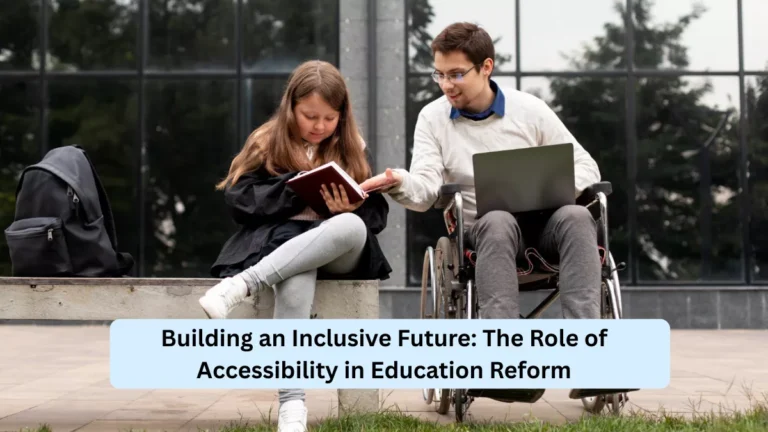

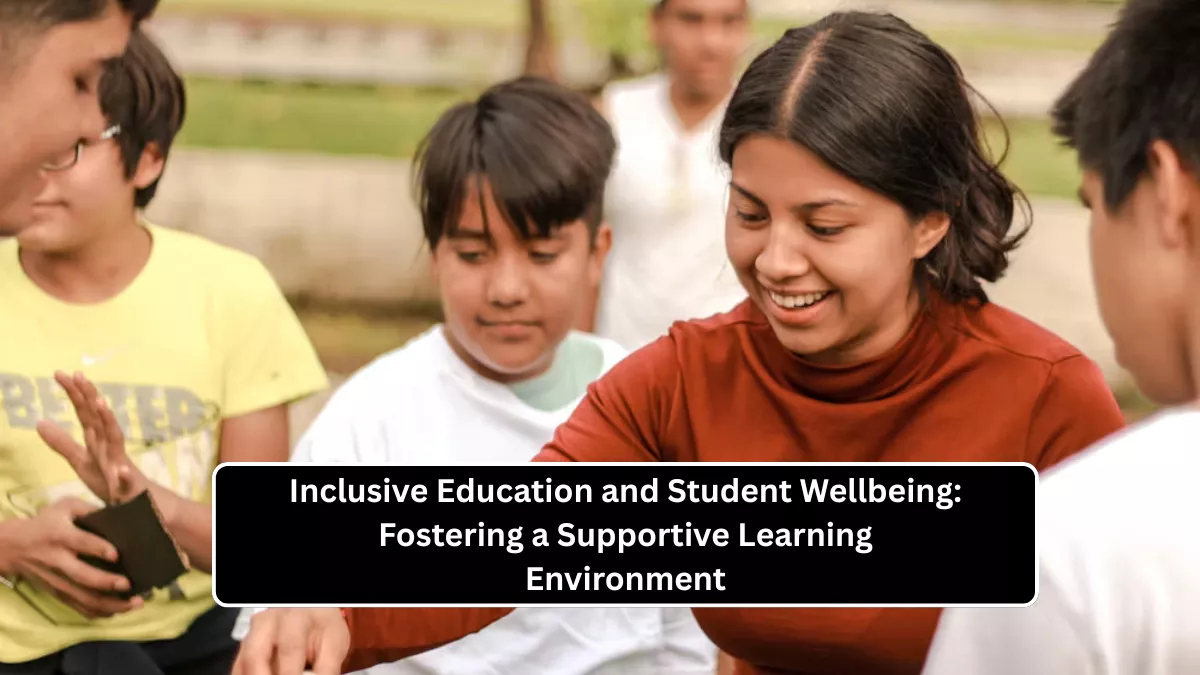
Imagine a classroom where every student, regardless of their background, abilities, or learning pace, feels valued and supported. Inclusive education is not just a pedagogical strategy—it is a commitment to equity, understanding, and holistic student development. In today’s rapidly evolving educational landscape, fostering student wellbeing has become as crucial as academic achievement. When schools prioritize inclusivity and mental health, students are more engaged, confident, and better prepared to thrive in life. This article explores the intersection of inclusive education and student wellbeing, providing educators, parents, and policymakers with insights and practical strategies to create nurturing learning environments.
Understanding Inclusive Education
Inclusive education is a philosophy and practice that seeks to ensure every child has equal access to quality education. It moves beyond mere physical integration of students with diverse abilities into mainstream classrooms. True inclusion requires adapting teaching methods, curricula, and school culture to accommodate a wide range of learning needs. Inclusive classrooms recognize that each student has unique strengths, challenges, and potential, and the role of educators is to provide equitable opportunities for all to succeed.


Research consistently shows that inclusive education benefits both students with disabilities and their peers. Students exposed to diversity develop empathy, social skills, and collaboration abilities that extend beyond the classroom. Meanwhile, students requiring additional support receive tailored interventions, ensuring they can participate meaningfully in academic and social activities. When implemented effectively, inclusive education fosters a sense of belonging, reduces discrimination, and improves overall student wellbeing.
The Connection Between Inclusion and Student Wellbeing
Student wellbeing encompasses emotional, social, and psychological health, along with a sense of safety and belonging in the school environment. Inclusive education directly impacts wellbeing by addressing multiple dimensions of a child’s experience. A supportive classroom can reduce anxiety, improve self-esteem, and enhance motivation. Students who feel included are more likely to engage actively in learning and demonstrate resilience in the face of challenges.
A key element of wellbeing is social connectedness. Inclusive classrooms promote peer interaction, collaboration, and mutual respect. When students learn to appreciate differences, they develop stronger interpersonal skills and empathy. Moreover, inclusive practices often involve differentiated instruction, which can prevent students from feeling left behind or overwhelmed. By aligning academic expectations with individual capabilities, teachers can minimize stress and create a positive, growth-oriented learning culture.
Strategies for Fostering Inclusivity in Schools
Creating an inclusive environment requires deliberate planning, teacher training, and systemic support. The first step is developing a school culture that celebrates diversity rather than merely tolerating it. Educators should be equipped with knowledge of diverse learning needs, inclusive pedagogy, and strategies to identify and address barriers to learning. Professional development programs can enhance teacher confidence and competence, ensuring that inclusive practices are consistently applied.
Curriculum adaptation is another crucial strategy. Learning materials should reflect the diverse experiences and identities of students, providing multiple entry points for understanding concepts. Teachers can employ differentiated instruction techniques, such as visual aids, hands-on activities, and technology-assisted learning, to cater to various learning styles. Additionally, flexible assessment methods that evaluate understanding in multiple ways help ensure that all students can demonstrate their abilities without unnecessary stress.
The physical and social environment of schools also plays a significant role. Accessible classrooms, safe recreational spaces, and clear anti-bullying policies contribute to a supportive atmosphere. Peer mentoring programs, collaborative projects, and inclusive extracurricular activities further strengthen social bonds and reinforce positive behavior. Schools that actively involve parents and caregivers in promoting inclusivity create a broader network of support, enhancing the overall wellbeing of students.

Supporting Mental Health Through Inclusive Practices
Mental health is an integral part of student wellbeing, and inclusive education provides an effective framework for early identification and support of mental health challenges. Teachers trained to recognize signs of stress, anxiety, or emotional difficulties can intervene promptly, offering guidance or referrals to school counselors. Creating an open dialogue about mental health helps destigmatize challenges and encourages students to seek help when needed.
Mindfulness practices, social-emotional learning, and stress management programs can be embedded within inclusive classrooms. These approaches teach students skills to regulate emotions, solve conflicts constructively, and build resilience. Importantly, inclusivity ensures that mental health support reaches all students, including those who may be marginalized or overlooked in traditional educational models. By integrating emotional and academic support, schools foster holistic development and equip students with tools for lifelong wellbeing.

Challenges and Solutions in Implementing Inclusive Education
Despite its clear benefits, inclusive education faces several challenges. Limited resources, inadequate teacher training, and rigid curricula can hinder effective implementation. Resistance to change or misconceptions about students’ abilities may create barriers in school communities. Addressing these challenges requires systemic commitment, including investment in infrastructure, professional development, and policy reforms that prioritize equity and inclusion.
Collaborative problem-solving is essential. Schools can establish multidisciplinary teams involving teachers, counselors, parents, and specialists to design individualized support plans. Technology can assist in monitoring progress, personalizing learning experiences, and providing additional resources. By approaching inclusion as a dynamic, evolving process rather than a fixed requirement, schools can adapt strategies to meet emerging needs and ensure that every student benefits from equitable educational opportunities.
Case Studies and Real-World Examples
Numerous schools worldwide demonstrate the power of inclusive education in enhancing student wellbeing. For instance, Scandinavian countries emphasize inclusive curricula, early intervention programs, and integrated social-emotional learning, resulting in high student satisfaction and reduced behavioral issues. Similarly, schools in urban and rural contexts that implement co-teaching models and peer mentoring have observed improvements in both academic performance and social cohesion.
These examples highlight the importance of a holistic approach. Inclusion is not limited to classroom instruction; it encompasses school policies, community engagement, and continuous assessment of student needs. When implemented thoughtfully, inclusive education creates an environment where students feel respected, supported, and empowered to reach their full potential.
Practical Tips for Educators and Parents
Fostering inclusivity and student wellbeing is a shared responsibility. Educators can start by building strong relationships with students, understanding their individual needs, and creating a safe space for expression. Differentiated instruction, flexible assessment, and collaborative learning activities help meet diverse needs while encouraging engagement. Incorporating social-emotional learning into daily routines equips students with essential life skills.
Parents and caregivers also play a critical role. Encouraging open communication, supporting learning at home, and advocating for inclusive policies strengthen the partnership between families and schools. Communities that promote acceptance, respect, and empathy further reinforce the benefits of inclusive education, creating a network that supports students beyond the classroom.
Measuring Success and Continuous Improvement
To ensure the effectiveness of inclusive education initiatives, schools should establish metrics that track both academic and wellbeing outcomes. Surveys on student satisfaction, engagement levels, behavioral reports, and academic performance provide valuable insights. Feedback from students, parents, and teachers informs ongoing adjustments to teaching practices and support mechanisms.
Continuous professional development for educators is equally important. Staying informed about evidence-based strategies, technological tools, and emerging research ensures that inclusive education evolves in response to changing student needs. By embracing a culture of reflection and improvement, schools can sustain a supportive learning environment that nurtures both academic and emotional growth.
Conclusion
Inclusive education and student wellbeing are deeply interconnected. By fostering equity, understanding, and social-emotional support, schools create learning environments where every student can thrive. The journey toward inclusivity requires commitment, creativity, and collaboration, but the rewards are profound: enhanced student engagement, reduced stress, and stronger interpersonal skills. Educators, parents, and communities must work together to implement strategies that prioritize both academic achievement and emotional health. By embracing inclusive practices, schools cultivate not only knowledgeable students but also compassionate, resilient, and confident individuals ready to contribute meaningfully to society.
FAQs
What is inclusive education?
Inclusive education ensures all students, regardless of ability or background, receive equal learning opportunities.
How does inclusion affect student wellbeing?
Inclusion improves confidence, social skills, and emotional health, creating a positive learning environment.
What strategies promote inclusive classrooms?
Differentiated instruction, diverse curricula, and supportive social policies foster effective inclusion.
Why is mental health support important in schools?
Mental health support helps students manage stress, build resilience, and thrive academically and socially.
How can parents support inclusive education?
Parents can communicate openly, advocate for equity, and reinforce supportive learning at home.
✨ You May Also Like ✨