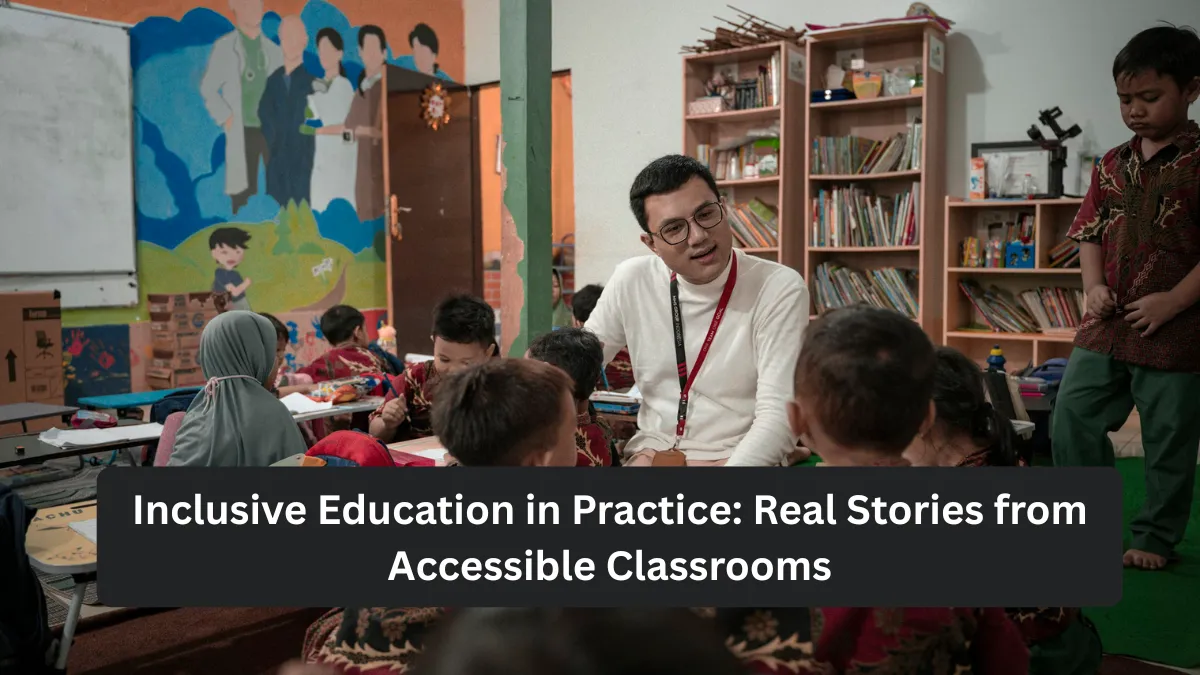
Education is often described as the great equalizer, yet for millions of children with disabilities or learning differences, traditional classrooms have not always lived up to this promise. Inclusive education is transforming that narrative, ensuring that all students, regardless of their abilities or backgrounds, have the opportunity to learn, thrive, and feel valued. This approach is not only a moral and legal imperative but also a practical strategy for fostering empathy, collaboration, and innovation among students.
By exploring real stories from accessible classrooms, we can understand how inclusive practices are implemented and the tangible impact they have on students’ lives. Readers will gain insights into practical methods, inspiring success stories, and actionable steps to make education more inclusive.
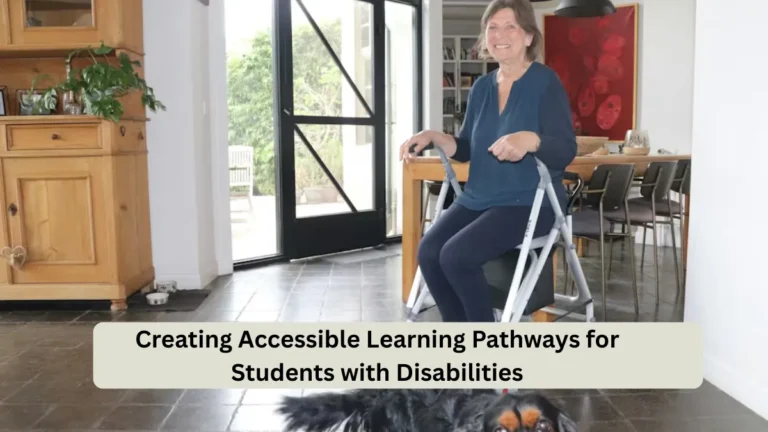
 Creating Accessible Learning Pathways for Students with Disabilities
Understanding Inclusive Education
Inclusive education is more than a policy or a classroom arrangement; it is a philosophy rooted in equality, respect, and social justice. At its core, it emphasizes the removal of barriers to learning and participation for all students. This approach integrates children with disabilities into mainstream classrooms, provides support tailored to individual needs, and encourages peer collaboration.
Inclusive classrooms are designed to accommodate diverse learning styles, physical abilities, and cultural backgrounds, ensuring that each student can access the curriculum fully. Research has consistently shown that inclusive education benefits all students. Children with disabilities gain improved academic and social outcomes, while their peers develop empathy, patience, and stronger interpersonal skills.
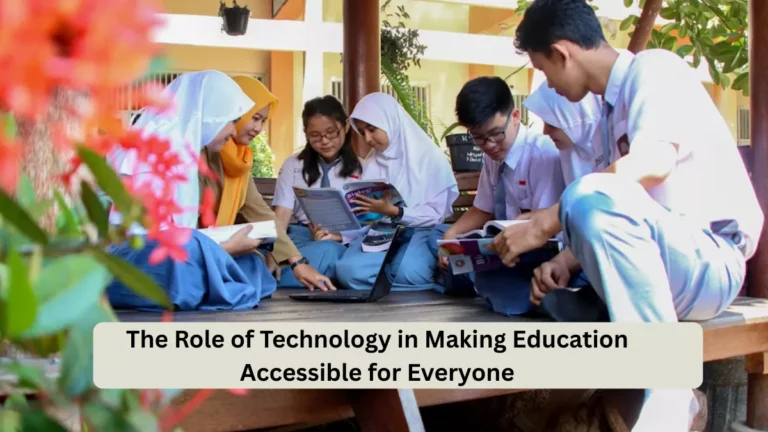
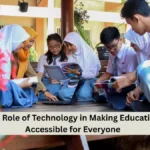 The Role of Technology in Making Education Accessible for Everyone
Real Stories from Accessible Classrooms
One remarkable story comes from a primary school in Chicago, where a student with cerebral palsy participates fully in daily lessons thanks to adaptive technology. This child uses a specialized communication device that translates eye movements into speech, allowing him to ask questions, contribute to discussions, and collaborate with classmates. Teachers report that his presence has encouraged all students to become more mindful communicators and problem-solvers.
In another example, a high school in California adopted universal design for learning (UDL) principles, providing materials in multiple formats, including audio, visual, and tactile versions. Students with dyslexia now access lessons more effectively, while their peers benefit from diverse learning methods that improve comprehension and engagement.
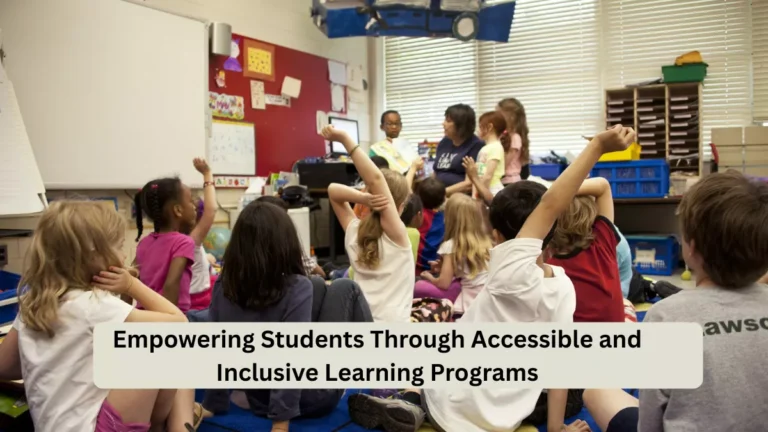
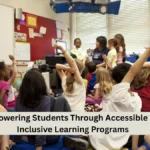 Empowering Students Through Accessible and Inclusive Learning Programs
Teacher Strategies for Inclusive Classrooms
Teachers play a crucial role in making inclusion successful. Effective strategies begin with understanding each student’s strengths and challenges. Educators often differentiate instruction, adjusting the pace, format, or method to suit diverse learners. For instance, in a middle school in New York, teachers use collaborative projects that pair students with and without disabilities.
This fosters mutual support and encourages students to leverage each other’s strengths. Another essential strategy is cultivating an inclusive classroom culture. Teachers create environments where all contributions are valued, and differences are celebrated rather than stigmatized. Classroom norms emphasize respect, patience, and collaboration, ensuring students feel safe and empowered to participate.
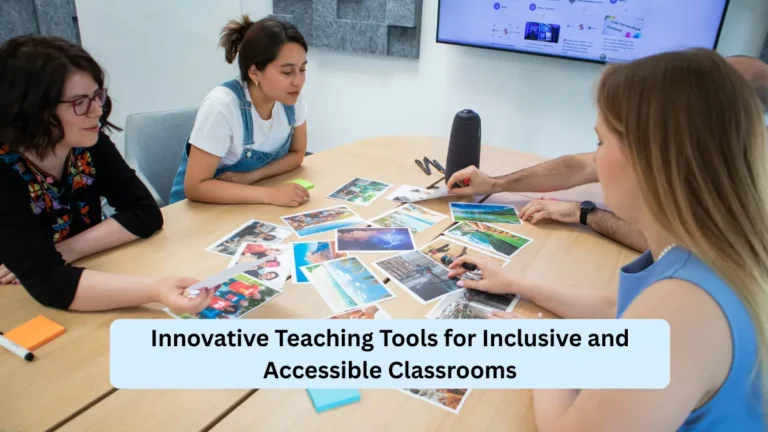
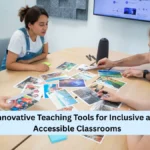 Innovative Teaching Tools for Inclusive and Accessible Classrooms
Technology as a Catalyst for Inclusion
Technology has become a cornerstone of accessible education. Assistive devices, such as screen readers, speech-to-text software, and adaptive keyboards, enable students with disabilities to engage fully in lessons. In addition, learning management systems can be customized to provide content at different difficulty levels, offering a more personalized learning experience. One inspiring case from Florida involved a visually impaired student who used a braille tablet and audio-enabled textbooks.
With these tools, she not only kept up with her peers but excelled in mathematics, demonstrating that accessibility directly impacts achievement. Technology also facilitates communication between teachers, students, and parents, allowing for more responsive support and timely interventions.
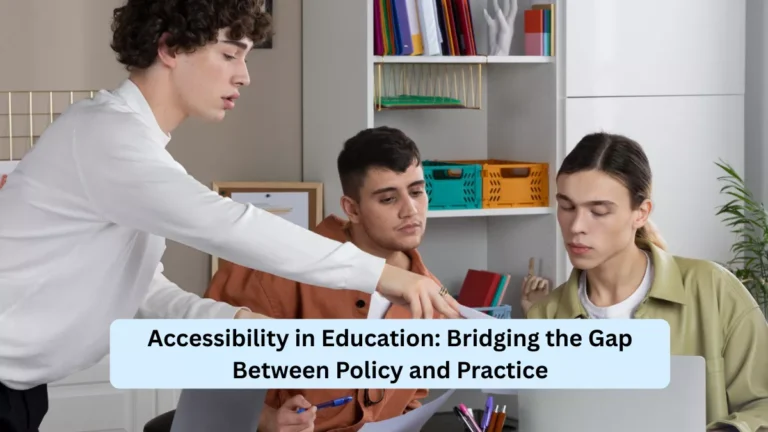
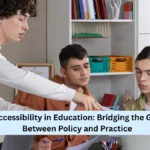 Accessibility in Education: Bridging the Gap Between Policy and Practice
Social and Emotional Benefits of Inclusive Education
Beyond academics, inclusive classrooms foster significant social and emotional growth. Students with disabilities often experience isolation in segregated settings, while inclusive classrooms promote friendships, teamwork, and a sense of belonging. Peers learn to appreciate diversity and develop empathy, patience, and conflict-resolution skills.
One poignant story from a primary school in Texas highlights a student with autism who initially struggled to participate in group activities. Through a structured peer-buddy program, he gradually built confidence, formed friendships, and contributed meaningfully to class discussions. His classmates reported learning patience and understanding, illustrating the reciprocal benefits of inclusion.
Overcoming Challenges in Implementation
Despite its benefits, inclusive education faces challenges, including resource limitations, teacher preparedness, and societal attitudes. Many schools lack sufficient staff, adaptive materials, or training to meet diverse needs effectively. Resistance from some educators or parents can also hinder progress. Successful programs often address these challenges through professional development, ongoing collaboration, and advocacy.
Teachers who receive training in special education strategies, classroom management, and technology integration are better equipped to implement inclusive practices. Administrative support, community engagement, and a commitment to continuous improvement are equally critical for sustaining inclusion efforts.
Policy and Community Support
Inclusive education requires not only classroom strategies but also robust policy frameworks. Governments and educational boards play a vital role by establishing legal protections, funding support, and accountability mechanisms. In countries where inclusive education is mandated, schools report higher levels of student participation and achievement. Community involvement further strengthens these initiatives.
Parents, volunteers, and local organizations can provide mentorship, resources, and extracurricular opportunities that enrich the inclusive experience. For example, community programs that pair students with mentors who have disabilities promote understanding, motivation, and long-term engagement.
Practical Steps for Schools
Schools looking to implement or enhance inclusive practices can begin by assessing their current environment and identifying barriers. Creating individualized education plans (IEPs), adopting universal design for learning, and providing assistive technology are practical steps that can immediately improve accessibility. Teacher collaboration is also essential; sharing strategies and resources ensures consistency and effectiveness.
Additionally, cultivating a culture of empathy and respect can transform the classroom atmosphere, making students feel supported and valued. Finally, schools should measure outcomes and adjust strategies as needed, ensuring that inclusion is a dynamic and evolving process rather than a static goal.
Real-World Impact and Success Stories
The impact of inclusive education is evident in student success stories. A high school student with ADHD in Oregon credits inclusive teaching strategies for helping him complete assignments on time and engage in class discussions. A visually impaired student in New Jersey reported increased confidence and academic performance after receiving braille textbooks and peer support.
Teachers consistently highlight the positive changes in classroom dynamics, noting that inclusive practices encourage collaboration, creativity, and problem-solving. These stories underscore that inclusion is not just a theoretical concept but a practical approach that transforms lives and strengthens communities.
Conclusion
Inclusive education is a powerful approach that goes beyond compliance or idealism; it shapes students into empathetic, resilient, and capable individuals. By examining real stories from accessible classrooms, we see how thoughtful strategies, technology, and supportive environments create tangible benefits for all learners. Schools, teachers, and communities must continue to invest in inclusive practices, recognizing that every student has the right to learn, contribute, and thrive.
As more classrooms embrace inclusion, society as a whole benefits from a generation better equipped to understand diversity, collaborate effectively, and innovate with compassion. The journey toward full inclusion requires commitment, creativity, and collaboration, but the rewards are profound, demonstrating that education, when truly accessible, empowers every learner.
FAQs
What is inclusive education?
Inclusive education integrates all students, including those with disabilities, into mainstream classrooms with necessary support.
Why is inclusive education important?
It ensures equal access, promotes empathy, improves social skills, and benefits both students with and without disabilities.
How do teachers support inclusive classrooms?
Teachers use differentiated instruction, adaptive technology, and collaborative activities to meet diverse learning needs.
What role does technology play in inclusion?
Assistive devices, adaptive software, and personalized learning platforms help students engage fully with lessons.
What are the social benefits of inclusive education?
Inclusive classrooms foster friendships, empathy, teamwork, and a sense of belonging among all students.
✨ You May Also Like ✨