Education is often hailed as the great equalizer, yet millions of learners worldwide continue to face barriers that prevent them from accessing quality education. These barriers—ranging from learning disabilities and socio-economic challenges to language differences and digital divides—create inequities that hinder students from reaching their full potential.
Inclusive education aims to remove these obstacles, ensuring every learner, regardless of ability or background, can thrive. In today’s rapidly evolving educational landscape, innovative solutions are emerging that promise to bridge these gaps, making learning more accessible, engaging, and effective for all students. This article explores these solutions in detail, offering actionable insights for educators, policymakers, and learners themselves.
 Creating Accessible Learning Pathways for Students with Disabilities
Understanding Learning Barriers
Learning barriers can manifest in numerous ways. For some students, cognitive or physical disabilities make traditional classroom instruction challenging. Dyslexia, ADHD, visual or hearing impairments, and mobility limitations require specialized approaches to learning. Other barriers are environmental and socio-economic, such as limited access to technology, unstable home environments, or under-resourced schools.
Language and cultural differences also play a critical role, as learners who do not speak the primary language of instruction may struggle to participate fully. Recognizing the diversity and complexity of these barriers is the first step toward designing inclusive educational strategies.
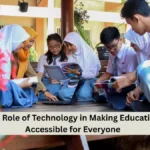 The Role of Technology in Making Education Accessible for Everyone
The Importance of Inclusive Education
Inclusive education is not merely a moral imperative—it also produces measurable benefits. Research shows that inclusive classrooms promote social cohesion, empathy, and improved academic outcomes for all students. When learning environments are designed to accommodate diverse needs, students develop better problem-solving skills, adaptability, and resilience.
Furthermore, inclusive education fosters lifelong learning habits, as learners are equipped with strategies to overcome challenges and take ownership of their education. Creating these environments requires commitment, creativity, and a willingness to rethink conventional teaching methods.
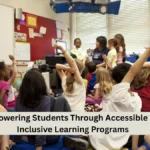 Empowering Students Through Accessible and Inclusive Learning Programs
Innovative Classroom Practices
One of the most effective ways to overcome learning barriers is through adaptive and personalized teaching methods. Adaptive learning technologies leverage artificial intelligence to tailor instruction to each student’s pace, strengths, and weaknesses. For instance, software can provide extra practice for learners struggling with specific concepts or adjust reading levels automatically.
Beyond technology, differentiated instruction remains a cornerstone of inclusive classrooms. Educators can offer varied approaches to teaching the same content—through visual aids, hands-on activities, storytelling, or peer collaboration—to ensure every student grasps the material in a way that resonates with them.
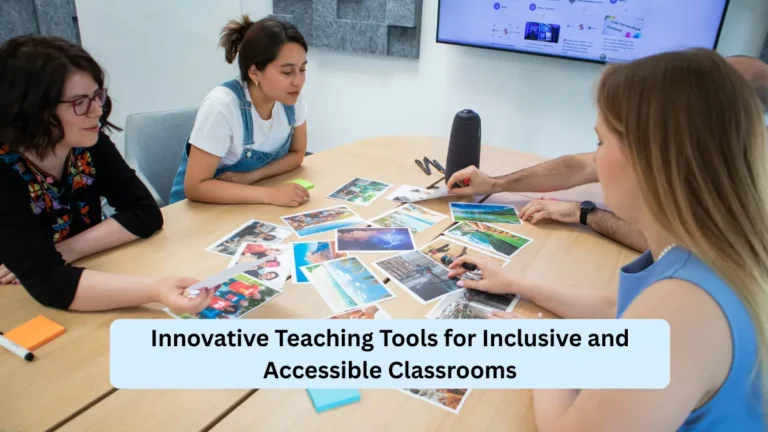
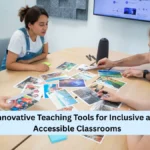 Innovative Teaching Tools for Inclusive and Accessible Classrooms
Universal Design for Learning (UDL) has gained traction as a framework for inclusive education. UDL emphasizes multiple means of representation, engagement, and expression, allowing students to interact with content in diverse ways. Classrooms designed under UDL principles incorporate flexible seating, interactive digital resources, and multimodal assessments, reducing barriers for students with different learning profiles. This approach also encourages creative problem-solving, as students explore new ways to demonstrate understanding beyond traditional testing methods.
Leveraging Technology for Accessibility
Digital tools have transformed the educational landscape, providing unprecedented opportunities to address learning barriers. Text-to-speech and speech-to-text applications help students with dyslexia or other reading difficulties access content more easily. Similarly, screen readers, magnification software, and closed-captioning enable visually or hearing-impaired learners to participate fully in lessons.
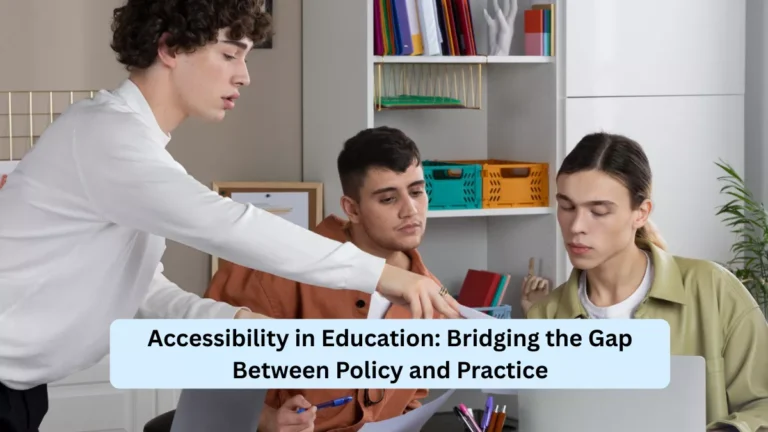
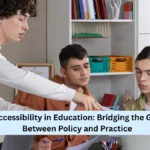 Accessibility in Education: Bridging the Gap Between Policy and Practice
Educational apps with gamified elements make learning engaging, while virtual and augmented reality experiences allow students to explore complex concepts through immersive simulations. These technologies also support remote learning, ensuring students in underserved areas or with mobility limitations can access high-quality instruction.
Artificial intelligence-driven analytics offer another layer of support by helping educators identify students who may be struggling early. By analyzing patterns in performance, attendance, and engagement, teachers can implement targeted interventions before minor issues escalate. This proactive approach not only improves academic outcomes but also reduces anxiety and frustration, creating a more inclusive and supportive learning environment.
Socio-Emotional Support in Inclusive Education
Learning barriers are not only academic but also emotional and psychological. Students who face persistent difficulties may experience low self-esteem, anxiety, or social isolation. Addressing socio-emotional needs is therefore integral to inclusive education.
Social-emotional learning (SEL) programs equip students with skills to manage emotions, build relationships, and develop resilience. Teachers trained in trauma-informed practices can recognize and respond to the impact of adverse experiences on learning, creating safe and supportive spaces for all students.
Peer support and collaborative learning models also enhance inclusivity. When students work together on projects or problem-solving tasks, they learn to appreciate diverse perspectives and develop empathy. These interactions reduce stigma associated with learning differences and foster a sense of belonging, which is essential for engagement and long-term academic success.
Policy and Community Initiatives
Government policies and community involvement play a crucial role in overcoming systemic barriers. Funding for special education programs, teacher training, assistive technology, and school infrastructure ensures that inclusive education is not limited to privileged areas. Community partnerships with non-profits, local businesses, and universities can provide mentorship, resources, and extracurricular opportunities for learners who might otherwise be left behind. Awareness campaigns also help reduce prejudice and promote acceptance of diverse learning needs, creating a more inclusive culture both inside and outside the classroom.
Policies that encourage flexible curricula and assessment models also facilitate inclusion. For instance, competency-based education allows learners to progress at their own pace rather than being constrained by rigid grade-level expectations. Alternative assessments, such as project-based evaluations or portfolio reviews, offer students multiple ways to demonstrate mastery, reducing the impact of learning barriers on academic performance.
Teacher Training and Professional Development
Teachers are at the forefront of implementing inclusive education. Professional development programs that focus on differentiated instruction, UDL, assistive technology, and socio-emotional learning equip educators with practical skills to address diverse learner needs. Ongoing mentorship and collaboration among teachers allow for the exchange of strategies and experiences, fostering a culture of continuous improvement.
Moreover, teachers trained in cultural competence can better navigate language and cultural differences in their classrooms. Understanding students’ backgrounds, learning styles, and prior experiences enables educators to tailor instruction effectively and reduce unconscious biases that may contribute to learning barriers.
Real-World Examples of Success
Several schools and educational programs worldwide have successfully implemented inclusive practices. For example, certain Scandinavian countries have integrated UDL and SEL frameworks into mainstream classrooms, resulting in high academic achievement and low dropout rates. In the United States, some districts have invested in one-to-one technology programs and adaptive learning software, enabling students with disabilities or language barriers to keep pace with their peers. These success stories demonstrate that with commitment, resources, and innovation, learning barriers can be significantly reduced, and inclusive education can become a reality for all.
Practical Steps for Educators and Parents
Overcoming learning barriers requires coordinated effort between educators, parents, and the wider community. Teachers can start by assessing individual student needs and implementing adaptive strategies that cater to diverse abilities. Parents can support learning at home by providing access to technology, creating structured routines, and advocating for their child’s needs in school settings. Collaboration and open communication between home and school ensure that interventions are consistent and effective.
Professional learning communities, workshops, and online resources offer ongoing support for educators seeking innovative approaches. Regular evaluation of teaching methods and learning outcomes ensures that strategies remain effective and responsive to changing needs. Both educators and parents should prioritize flexibility, creativity, and patience, recognizing that progress may be incremental but meaningful over time.
The Future of Inclusive Education
The future of inclusive education is bright, driven by technological advances, research-based teaching methods, and a growing global commitment to equity. Artificial intelligence, virtual reality, and adaptive learning platforms will continue to revolutionize the classroom, enabling highly personalized learning experiences. Inclusive curricula and assessment frameworks will expand to accommodate diverse learners, fostering a culture of innovation and empathy. As societies increasingly recognize the value of education for all, inclusive practices will become integral to mainstream education rather than optional enhancements.
Investing in inclusive education benefits everyone. It cultivates a generation of learners equipped with critical thinking, creativity, and social skills, preparing them to thrive in a complex, interconnected world. By overcoming barriers through innovative solutions, education systems can ensure that no learner is left behind and that the transformative power of learning is truly universal.
Conclusion
Learning barriers, whether cognitive, physical, social, or cultural, present significant challenges in education. However, with innovative approaches, adaptive technologies, socio-emotional support, and community involvement, these obstacles can be addressed effectively. Inclusive education is not only a moral imperative but also a practical strategy for fostering social cohesion, improving academic outcomes, and preparing learners for future success.
Educators, parents, and policymakers must work together to create environments where every student can thrive. The journey toward inclusion requires commitment, creativity, and persistence, but the rewards—empowered, confident, and capable learners—are invaluable.
FAQs
What is inclusive education?
Inclusive education ensures all learners, regardless of ability or background, can access and succeed in learning environments.
How can technology help overcome learning barriers?
Assistive software, adaptive learning tools, and virtual reality enable personalized, accessible, and engaging learning experiences.
What are examples of learning barriers?
Barriers include cognitive disabilities, socio-economic challenges, language differences, and lack of access to technology.
Why is socio-emotional support important in learning?
It helps students manage emotions, build resilience, and engage confidently, improving both academic and social outcomes.
How can teachers implement inclusive strategies?
Teachers can use adaptive methods, differentiated instruction, UDL frameworks, and ongoing assessment to support all learners.
✨ You May Also Like ✨