Education is not just about delivering lessons; it is about shaping futures and building societies that thrive on equality and respect. As classrooms across the world become more diverse, teachers face the vital challenge of ensuring that every student—regardless of ability, background, or need—has an equal opportunity to learn. This is where teacher training and accessibility intersect to create a truly inclusive learning environment.
In recent years, inclusive education has evolved from being a moral responsibility to a professional and policy-driven necessity. With the rise of students with varying learning abilities, disabilities, linguistic differences, and socio-economic backgrounds, educators must be equipped with the knowledge, skills, and mindset to accommodate all learners. This article explores how teacher training can empower educators to create accessible, inclusive classrooms that meet the needs of every student while improving overall teaching quality.
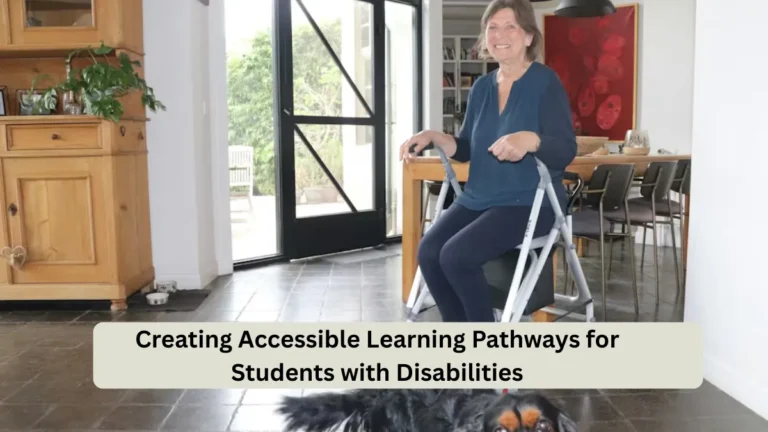
 Creating Accessible Learning Pathways for Students with Disabilities
The Changing Face of Education
The concept of education has undergone a profound transformation. Traditional teaching methods, once focused on uniformity, are now being replaced by inclusive approaches that value diversity as a strength. Today’s classrooms host students with physical disabilities, learning differences like dyslexia or ADHD, and a range of cultural and linguistic identities.
For teachers, this diversity presents both opportunities and challenges. Without proper training, educators may struggle to adapt lesson plans, communication methods, and classroom environments. However, when they receive structured professional development focused on inclusion and accessibility, they can unlock the potential of every learner and create environments that encourage participation, understanding, and respect.
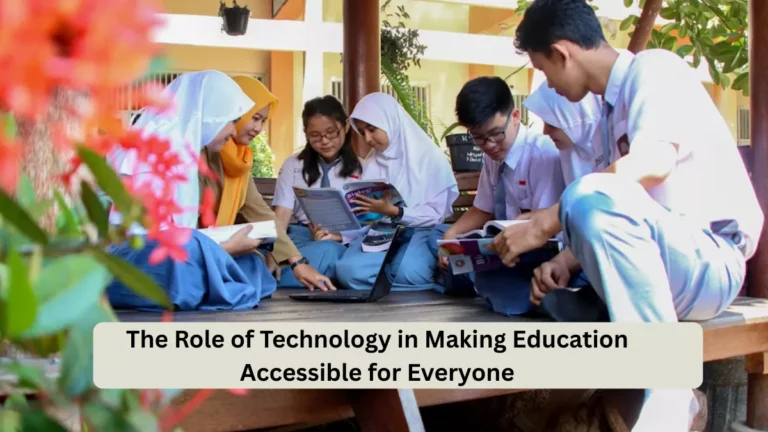
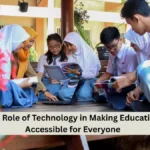 The Role of Technology in Making Education Accessible for Everyone
Why Teacher Training Is the Foundation of Inclusion
Inclusive education begins with teachers who are confident and competent in managing diverse learning needs. Teacher training ensures that educators are not just aware of inclusion policies but can translate them into effective classroom practices. It focuses on four key aspects: awareness, adaptation, implementation, and empathy.
Awareness helps teachers recognize the unique challenges faced by students with disabilities or learning difficulties. Adaptation provides strategies for modifying teaching materials and activities to ensure accessibility. Implementation ensures teachers use inclusive pedagogies such as differentiated instruction and universal design for learning. Finally, empathy enables educators to foster emotional support and belonging for all students.
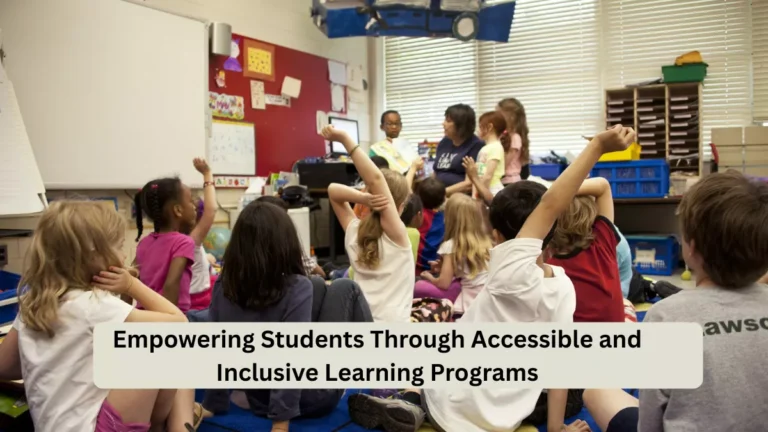
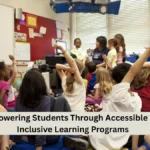 Empowering Students Through Accessible and Inclusive Learning Programs
Without continuous training, even the most dedicated teachers may inadvertently exclude students by using methods that do not accommodate different learning styles or accessibility needs.
Understanding Accessibility in Education
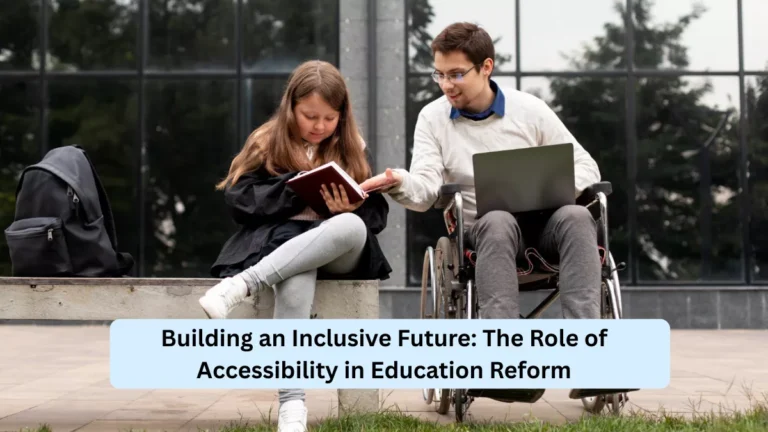
Accessibility goes beyond physical infrastructure like ramps or elevators; it encompasses digital, pedagogical, and emotional dimensions. Educational accessibility means every learner can access information, participate in activities, and engage with peers and teachers without barriers.
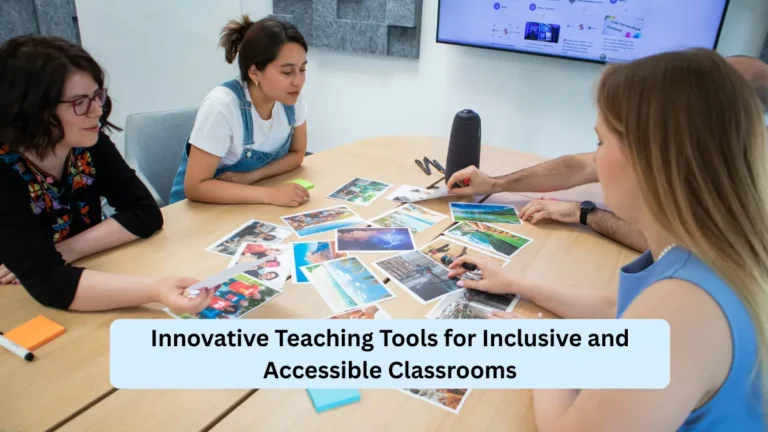
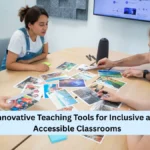 Innovative Teaching Tools for Inclusive and Accessible Classrooms
In the digital age, accessibility also includes the use of assistive technologies such as screen readers, captioning tools, and text-to-speech applications. Moreover, it involves designing materials that accommodate visual, auditory, or cognitive differences. When accessibility is embedded into teaching practices, it benefits all students—not only those with disabilities.
An accessible classroom is one where instructions are clear, learning materials are flexible, and every student feels respected and capable.
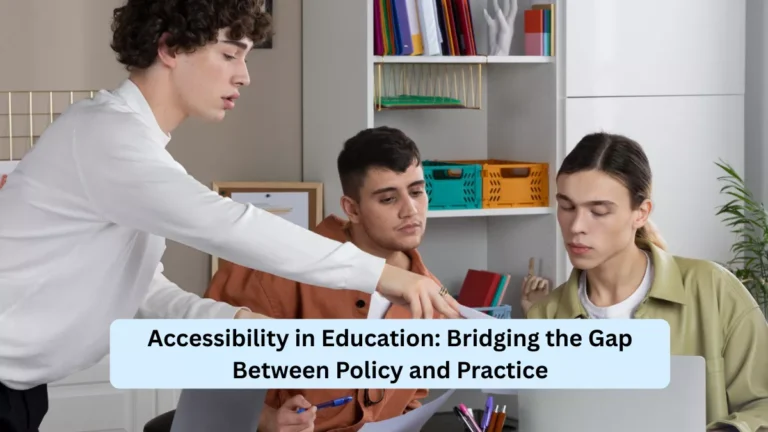
 Accessibility in Education: Bridging the Gap Between Policy and Practice
The Role of Professional Development in Building Inclusive Competence
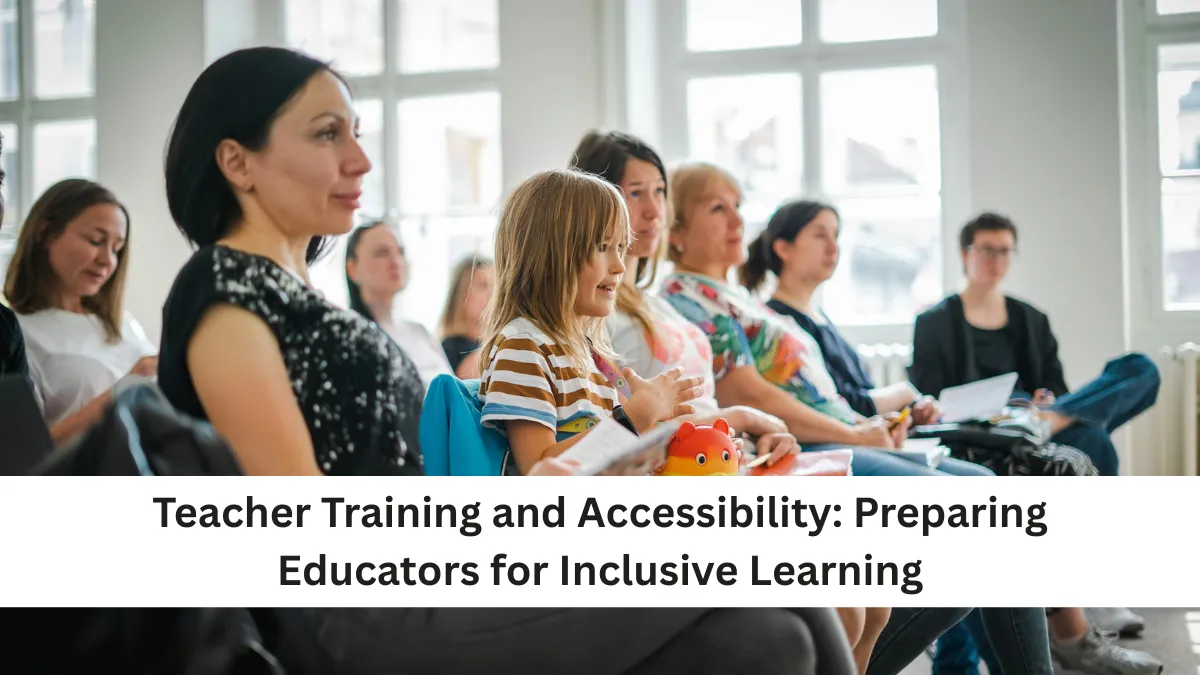
Professional development programs serve as the bridge between theory and practice. Through workshops, certifications, and ongoing mentoring, teachers can learn how to manage inclusive classrooms effectively. These programs often include modules on understanding different disabilities, adapting curriculum materials, collaborating with special educators, and using assistive technologies.
In addition, experiential learning—such as role-playing or simulation—helps teachers understand the challenges faced by students with specific needs. By experiencing these barriers firsthand, educators gain deeper empathy and practical problem-solving skills. Continuous professional development ensures that teachers remain updated with evolving inclusion standards, research findings, and innovative teaching methods.
Strategies for Effective Teacher Training in Accessibility
To make training impactful, it must move beyond theory and focus on practical application. Educators should be encouraged to integrate inclusive practices directly into lesson planning and classroom management. Training should emphasize adaptable teaching methods, inclusive assessment strategies, and collaborative problem-solving.
For example, teachers can learn to apply Universal Design for Learning (UDL), a framework that promotes flexible learning environments. UDL encourages the use of multiple means of representation, engagement, and expression to ensure every learner can access content in a way that works best for them. Additionally, peer collaboration and reflective teaching can strengthen inclusion by allowing educators to share experiences, successes, and challenges.
When training focuses on real-world teaching contexts, educators become more confident and effective in implementing accessibility principles.
Technology as a Catalyst for Accessible Learning
Technology has become a powerful ally in inclusive education. Digital tools and platforms can break barriers that once limited access for students with disabilities. Screen readers, voice recognition software, captioned videos, and adaptive keyboards have revolutionized the way students interact with content.
Teacher training must therefore include digital literacy and accessibility design. Educators should understand how to select and use technology that supports students with varying needs. More importantly, they should know how to design online content and digital assessments that meet accessibility standards.
Technology also enables personalized learning, allowing students to progress at their own pace. When teachers are trained to use digital tools effectively, they can create dynamic, engaging, and inclusive educational experiences for all learners.
Overcoming Barriers to Effective Teacher Training
Despite progress, several obstacles hinder inclusive teacher training. Time constraints, limited budgets, and lack of institutional support often prevent teachers from participating in professional development programs. Additionally, some educators may be resistant to change or lack awareness about the importance of inclusion.
Addressing these barriers requires systemic effort. Educational institutions and policymakers must prioritize inclusion as a fundamental part of teacher preparation programs. Incentives, accessible training formats, and administrative backing can encourage more teachers to engage in continuous learning.
Moreover, fostering a culture of collaboration between general and special educators can enhance inclusion. When teachers work together to design lesson plans, assess students, and adapt teaching materials, the classroom becomes a space where every learner thrives.
Creating a Culture of Inclusion in Schools
Inclusive education is not solely the responsibility of individual teachers; it requires a collective effort from the entire school community. Administrators, counselors, parents, and students all play crucial roles in creating a culture of acceptance and understanding.
Schools can promote inclusion by celebrating diversity, offering awareness campaigns, and ensuring policies reflect equity. Teacher training programs should therefore include leadership components, equipping educators to advocate for inclusion at both classroom and institutional levels. When inclusion becomes embedded in school culture, it transforms learning into a collaborative, compassionate process that benefits everyone.
The Long-Term Impact of Inclusive Teacher Training
The benefits of training teachers for accessibility extend far beyond individual classrooms. Inclusive education enhances student engagement, reduces dropout rates, and improves academic performance across the board. It nurtures empathy, tolerance, and cooperation—skills that are essential for building inclusive societies.
For educators, inclusive training promotes professional growth, adaptability, and innovation. Teachers who can effectively manage diverse classrooms become more confident in their roles and more capable of inspiring students to reach their full potential.
Over time, these educators contribute to a ripple effect, influencing peers, institutions, and policies toward greater inclusivity.
Conclusion: Building a Future Where Every Learner Belongs
Inclusive education is not just a pedagogical trend—it is a moral and professional imperative. When teachers receive the right training in accessibility and inclusion, they become catalysts for social change. Every classroom can become a place where differences are not just accepted but celebrated, and where every learner feels valued and empowered to succeed.
As education continues to evolve, investing in teacher training remains the most effective way to build equitable, accessible, and compassionate learning environments. The path to inclusive education begins with preparing educators to embrace diversity and lead with empathy. The more we train, support, and empower teachers, the closer we move toward an educational system where no one is left behind.
FAQs
What is inclusive education?
Inclusive education ensures that all students, regardless of ability or background, learn together in supportive, accessible classrooms.
Why is teacher training important for inclusion?
Teacher training equips educators with the skills and strategies needed to teach diverse learners effectively and compassionately.
How does technology improve accessibility in education?
Technology provides assistive tools and flexible learning options that help all students access and engage with educational content.
What is Universal Design for Learning (UDL)?
UDL is a teaching framework that provides multiple ways for students to access, engage with, and demonstrate their learning.
How can schools promote inclusive learning?
Schools can promote inclusion by training teachers, updating policies, using assistive technology, and fostering a culture of respect.
✨ You May Also Like ✨