
Imagine a classroom where every student, regardless of their abilities or learning differences, can fully participate, engage, and thrive. Accessible learning is no longer a luxury—it is a necessity in today’s educational landscape. With growing awareness of diverse learning needs and the rapid advancement of technology, schools and educators are now equipped to create inclusive environments that foster equity, engagement, and achievement.
Accessible learning matters because it ensures that every learner, from those with visual, auditory, or cognitive impairments to students with attention challenges, receives the support they need. When classrooms are designed inclusively, students are not only able to learn effectively but also develop confidence, creativity, and social skills. This article explores the tools, strategies, and future trends shaping accessible learning, providing educators and administrators actionable insights for creating classrooms that truly leave no one behind.

Overview of Accessible Learning Tools and Strategies
| Category | Examples & Applications |
|---|---|
| Assistive Technology | Screen readers, text-to-speech software, speech-to-text apps, adaptive keyboards |
| Digital Platforms | Learning management systems with accessibility features, online resources |
| Classroom Design | Flexible seating, sensory-friendly spaces, visual and auditory supports |
| Instructional Strategies | Universal Design for Learning (UDL), differentiated instruction, multi-sensory methods |
| Teacher Training & Support | Professional development on accessibility, collaboration with special educators |
The Role of Assistive Technology in Inclusive Classrooms
Assistive technology has become a cornerstone of accessible learning. Tools such as screen readers allow visually impaired students to access digital content, while speech-to-text and text-to-speech programs support learners with dyslexia or other reading difficulties. Adaptive keyboards, eye-tracking systems, and alternative input devices enable students with physical disabilities to interact with digital platforms effectively.
The key to leveraging these technologies is understanding each student’s unique needs. For instance, a student with limited fine motor skills may benefit from touch-screen devices, while another with auditory processing challenges might need captions or transcripts for all multimedia content. By integrating assistive technology thoughtfully, educators can remove barriers to learning and create an environment where every student can participate actively.
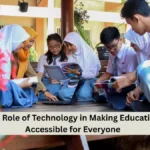
Digital Platforms Supporting Accessibility
Beyond specialized tools, mainstream digital platforms increasingly offer accessibility features. Modern learning management systems (LMS) often include screen reader compatibility, customizable font sizes, and high-contrast modes. Online educational content is also being designed with captions, audio descriptions, and alternative text for images, ensuring that digital resources are usable for all learners.
Virtual classrooms and collaborative platforms have opened new opportunities for students who may face physical or geographical limitations. Tools like shared documents, discussion boards, and interactive modules allow learners to engage at their own pace, receive timely feedback, and participate fully in group activities. The future of accessible learning will likely continue to expand these digital options, making education more equitable and flexible.
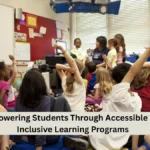
Designing Physical Classrooms for Accessibility
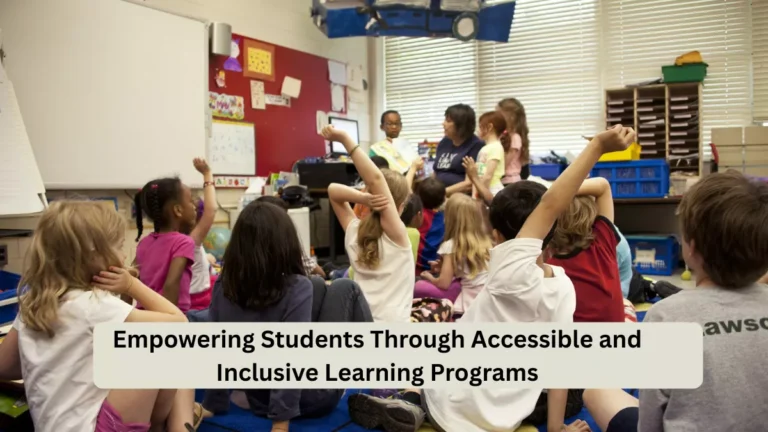
While technology is essential, the physical learning environment remains a critical factor in accessibility. Inclusive classroom design focuses on flexibility and sensory considerations. For example, adjustable desks and chairs accommodate diverse body types and mobility needs. Creating quiet corners or sensory-friendly areas helps students who may become overwhelmed by noise or activity, supporting emotional regulation and concentration.
Visual and auditory supports, such as clear signage, visual schedules, and sound amplification systems, ensure that students can navigate and participate in the classroom independently. Lighting, color contrasts, and uncluttered layouts also play an important role in minimizing distractions and improving focus for all learners. Thoughtful classroom design, paired with appropriate instructional strategies, creates an environment where accessibility is embedded in everyday learning.
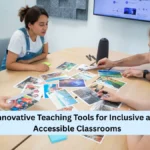
Instructional Strategies for Inclusive Learning
Instructional strategies are vital to complement technological and physical accessibility. The Universal Design for Learning (UDL) framework provides a blueprint for creating lessons that accommodate multiple learning styles and abilities. UDL encourages educators to present information in various formats, provide multiple means of engagement, and offer diverse assessment methods.
Differentiated instruction further personalizes learning by adapting content, process, and product based on student needs. Multi-sensory teaching, which integrates visual, auditory, and kinesthetic activities, ensures that learners with different strengths and preferences can engage meaningfully. Combining these strategies with ongoing assessment and feedback enables teachers to adjust lessons dynamically, maximizing student success.

Teacher Training and Professional Development
Educators’ expertise is a critical factor in the success of accessible learning initiatives. Professional development programs focused on accessibility equip teachers with knowledge about assistive technology, inclusive pedagogy, and legal requirements such as the Americans with Disabilities Act (ADA) or similar regulations in other countries.
Collaborative approaches between general and special education teachers foster shared responsibility for inclusive classrooms. Training also emphasizes the importance of empathy, communication, and proactive problem-solving. Teachers who are well-prepared can anticipate potential barriers, implement effective accommodations, and ensure that every student feels valued and supported.
Emerging Trends Shaping the Future of Accessible Learning
Several trends are poised to redefine inclusive education in the coming years. Artificial intelligence (AI) and machine learning are enabling personalized learning pathways, adaptive assessments, and intelligent tutoring systems that respond to individual learner profiles. Virtual and augmented reality offer immersive experiences for students with mobility or attention challenges, enhancing engagement and comprehension.
Open educational resources (OER) with built-in accessibility features are expanding global access to high-quality content. Gamification and interactive simulations are making learning more engaging while accommodating diverse abilities. Additionally, data analytics tools allow educators to track student progress, identify barriers, and tailor interventions in real time, ensuring that no learner is left behind.
Overcoming Challenges in Implementing Accessible Learning
Despite advancements, implementing accessible learning is not without challenges. Budget constraints, limited awareness, and inconsistent policies can impede progress. Educators may encounter resistance or lack of training in new technologies. To address these obstacles, schools can adopt phased implementation plans, prioritize high-impact interventions, and involve students and parents in the decision-making process.
Collaboration with assistive technology specialists, accessibility consultants, and community organizations can provide additional support. Continuous evaluation, feedback loops, and professional development ensure that accessibility remains a core value rather than a one-time initiative. The commitment to inclusion must be systemic, reflecting a school’s culture, policies, and practices.
Conclusion
Accessible learning is transforming education, ensuring that every student has the opportunity to succeed. By integrating assistive technology, leveraging digital platforms, designing inclusive classrooms, employing effective instructional strategies, and investing in teacher training, schools can create environments where all learners thrive. Emerging technologies and trends promise even greater flexibility and personalization, making inclusive education more achievable than ever.
Educators and administrators who embrace these strategies not only improve learning outcomes but also foster equity, confidence, and engagement. The future of accessible learning lies in commitment, collaboration, and innovation, ensuring that classrooms of tomorrow are inclusive, adaptable, and empowering for every student.
FAQs
What is accessible learning?
Accessible learning ensures students of all abilities can fully engage with educational content and activities.
Which technologies support inclusive classrooms?
Tools like screen readers, text-to-speech apps, adaptive keyboards, and captioned videos enhance accessibility.
How can teachers implement Universal Design for Learning?
UDL uses multiple formats, engagement methods, and assessment options to meet diverse learner needs.
Why is classroom design important for accessibility?
Flexible seating, sensory-friendly spaces, and visual supports help students focus and participate effectively.
What trends are shaping the future of inclusive education?
AI, VR, gamification, and adaptive digital platforms are personalizing learning for diverse abilities.
✨ You May Also Like ✨