
Education is often described as the cornerstone of individual growth and societal development. Yet, for millions of children worldwide, access to quality education remains a challenge. Barriers such as economic hardship, physical disabilities, linguistic diversity, and social inequalities prevent many students from realizing their potential. In this context, the role of parents and communities becomes not only important but transformative.
When families and local communities actively participate in education, they can help remove obstacles, foster inclusive environments, and ensure every child has a fair chance to succeed. This article explores how parents and communities can collectively promote accessible education, examining strategies, examples, and actionable steps that make a tangible difference.

Understanding Accessible Education
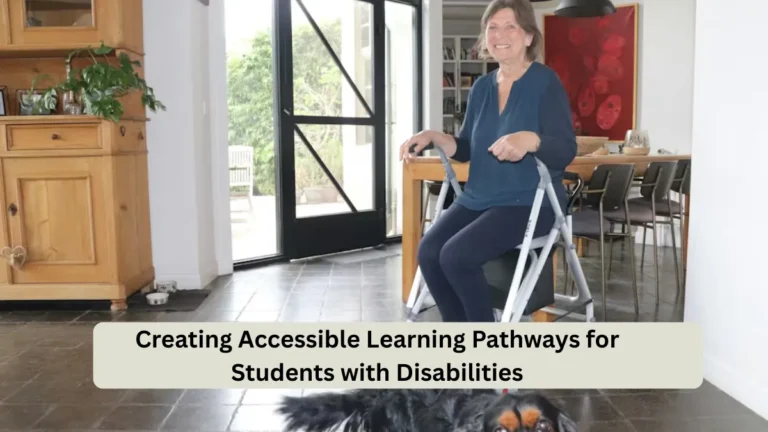
Accessible education goes beyond merely providing a place for children to learn. It encompasses the ability of all students, regardless of physical, cognitive, or socioeconomic limitations, to engage fully in the learning process. Accessibility includes physical infrastructure, learning materials, teaching methods, and support systems tailored to diverse needs. For children with disabilities, this might involve assistive technologies or inclusive classroom designs.
For learners from marginalized communities, accessibility might mean financial support, culturally relevant teaching, and safe school environments. Accessible education is not just a moral imperative; it is a societal investment that fosters equality, reduces poverty, and strengthens communities.
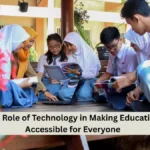
The Crucial Role of Parents
Parents are often the first educators in a child’s life. Their involvement profoundly influences a child’s academic achievements, social skills, and emotional well-being. Research consistently shows that children perform better when parents are engaged in their education. Parents can promote accessibility by advocating for their children’s needs within schools, collaborating with teachers, and fostering inclusive values at home. By setting high expectations, providing learning support, and celebrating diversity, parents create an environment that encourages all children to thrive.
Moreover, parents serve as connectors between schools and broader communities. When parents are informed about educational policies and resources, they can guide their children toward available support programs, including special education services, scholarships, and extracurricular opportunities. Effective parental involvement also entails communication with educators about the child’s learning style, potential challenges, and progress. This partnership ensures that interventions are timely and appropriate, ultimately making education more accessible for every student.
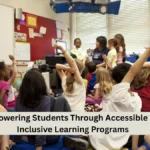
Community Engagement in Education
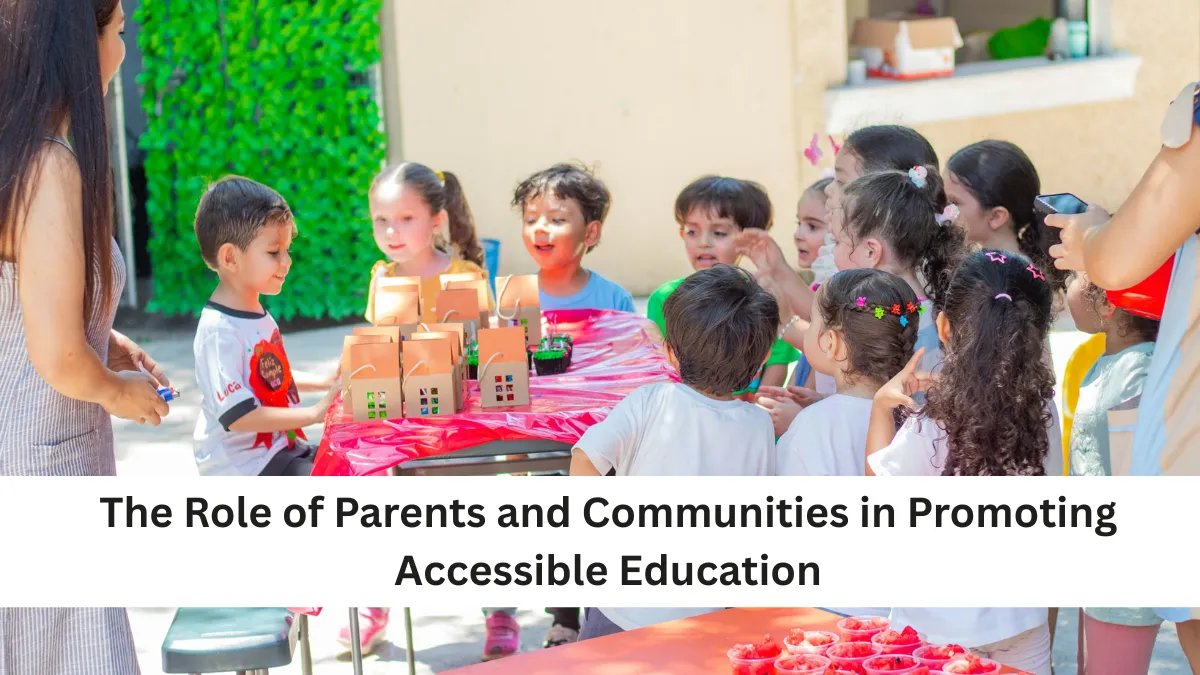
Communities play a complementary role in promoting accessible education. Schools do not exist in isolation; they are part of a wider social ecosystem. Community engagement can take many forms, including volunteer programs, mentorship opportunities, and local advocacy for educational resources. Local businesses, religious organizations, and civic groups can contribute by funding infrastructure, providing learning materials, or organizing educational workshops. Community involvement fosters a sense of ownership and responsibility toward the collective goal of inclusive education.
Communities also shape societal attitudes toward inclusion and accessibility. Cultural norms and local policies influence how children with disabilities, language barriers, or economic disadvantages are perceived and supported. By actively challenging stigma and promoting acceptance, communities create an environment where all learners feel valued. Examples from around the world illustrate the impact of community engagement. In rural regions, community-driven initiatives such as mobile libraries or parent-teacher committees have increased enrollment and reduced dropout rates. In urban areas, neighborhood mentorship programs connect students with role models who guide them through educational and personal challenges.
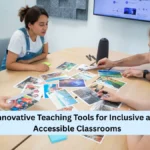
Collaborative Strategies for Parents and Communities
The synergy between parents and communities is essential for sustainable change in accessible education. Collaboration can take many forms, starting with regular communication and shared decision-making. Parent-teacher associations, community councils, and local forums provide platforms where parents and community members can advocate for improvements, address gaps, and celebrate achievements. Joint efforts can also focus on teacher training programs that emphasize inclusive teaching methods, adaptive technologies, and differentiated instruction. By working together, communities and parents ensure that educational initiatives are contextually relevant and inclusive.
Another critical strategy is raising awareness about the importance of early intervention. Children with learning difficulties or disabilities benefit immensely from timely support. Parents and communities can collaborate with schools to identify needs early, secure professional assessments, and access resources that enable children to succeed. These measures not only enhance academic outcomes but also strengthen self-esteem and social integration. Similarly, community-led initiatives can provide supplementary programs such as after-school tutoring, literacy campaigns, or health and nutrition support, all of which contribute to accessibility and student well-being.

Overcoming Barriers to Accessible Education
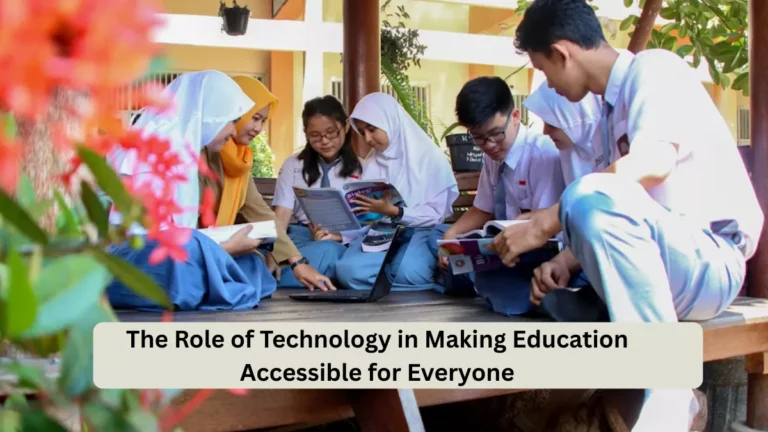
Despite the best intentions, several barriers can hinder accessible education. Economic inequality, inadequate infrastructure, and limited teacher training are common challenges. Parents and communities can help address these issues through advocacy, resource mobilization, and collective action. For instance, communities can organize fundraising events to improve school facilities, while parents can petition local authorities for inclusive classrooms or specialized programs. Additionally, technology can play a transformative role in overcoming accessibility barriers. Online learning platforms, adaptive software, and assistive devices allow children with different needs to engage with educational content at their own pace.
Social and cultural barriers also require careful attention. In some contexts, gender biases, discrimination against children with disabilities, or language differences may limit access to education. Parents and communities must challenge these norms, promote equitable opportunities, and encourage inclusivity through awareness campaigns, workshops, and role modeling. Empowering children to express their needs and participate actively in decision-making further reinforces accessibility and fosters a culture of respect and inclusion.
Case Studies and Real-World Examples
Several examples illustrate the positive impact of parental and community engagement. In Brazil, community-based programs in underprivileged neighborhoods have improved literacy rates by combining parental involvement, local mentorship, and school support. Parents participate in reading sessions, volunteer in classrooms, and collaborate with local NGOs to provide learning resources. Similarly, in Kenya, community-led initiatives have created inclusive schools for children with disabilities, ensuring access to specialized equipment, trained teachers, and supportive learning environments.
In the United States, initiatives like parent engagement workshops and local community partnerships have strengthened special education services. Parents serve on advisory boards, influence policy decisions, and organize support networks that bridge gaps between schools and students. These examples demonstrate that collective action—driven by informed parents and active communities—can break down barriers, expand opportunities, and create inclusive educational systems.
Actionable Tips for Parents
Parents can take practical steps to promote accessible education. They can start by staying informed about educational policies, resources, and programs available in their area. Regular communication with teachers and school administrators ensures that children’s needs are addressed promptly. Encouraging children to participate in school activities, supporting homework routines, and celebrating achievements builds confidence and engagement. Parents can also advocate for accessibility improvements in schools, such as adaptive technologies, inclusive curricula, and safe learning environments. By modeling empathy, inclusivity, and lifelong learning, parents influence both their children and the broader community.
Actionable Tips for Communities
Communities can implement measures that support accessible education for all children. They can establish mentorship programs, volunteer networks, and resource-sharing initiatives to supplement school efforts. Fundraising for infrastructure improvements or learning materials directly enhances educational access.
Community workshops and awareness campaigns can address social and cultural barriers, promoting inclusivity and equality. Local leaders can collaborate with schools to monitor progress, identify gaps, and implement innovative solutions. By fostering a supportive environment, communities reinforce the notion that education is a shared responsibility and a collective investment in the future.
The Long-Term Benefits of Collaborative Engagement
When parents and communities actively promote accessible education, the benefits extend beyond individual students. Inclusive educational systems contribute to reduced inequality, enhanced social cohesion, and improved economic prospects. Children who receive adequate support are more likely to complete their education, pursue higher learning, and participate meaningfully in society.
Communities benefit from a skilled, engaged, and socially responsible population, while parents gain confidence in their role as advocates and partners in education. Ultimately, collaborative engagement ensures that no child is left behind and that education serves as a true equalizer.
Conclusion
Accessible education is both a moral responsibility and a practical necessity for sustainable development. Parents and communities play indispensable roles in ensuring that all children, regardless of their circumstances, can access quality learning opportunities. By fostering collaboration, advocating for inclusive policies, providing support systems, and challenging social barriers, families and local communities create environments where every child can thrive.
The journey toward accessible education requires collective commitment, proactive strategies, and sustained effort, but the long-term rewards—for individuals, families, and society—are immeasurable. Investing in parents and communities as partners in education is investing in a brighter, more equitable future for all.
FAQs
How can parents support accessible education at home?
Parents can provide learning resources, advocate for their child’s needs, and encourage participation in school activities.
Why is community involvement important in education?
Communities offer resources, mentorship, and support, creating inclusive environments that enhance student learning.
What are common barriers to accessible education?
Economic hardship, disabilities, cultural norms, and inadequate infrastructure often limit access to quality education.
How can parents and communities collaborate effectively?
By maintaining communication, participating in school decisions, advocating for resources, and supporting inclusive programs.
What long-term benefits result from promoting accessible education?
It reduces inequality, improves student outcomes, strengthens communities, and fosters social and economic development.
✨ You May Also Like ✨