
Education has always been considered a cornerstone for personal growth, social mobility, and economic development. Yet, despite global efforts, millions of people still face barriers to quality education due to geographical, financial, or social constraints. In recent years, technology has emerged as a transformative force, reshaping how education is delivered and accessed.
From remote learning platforms to assistive tools for students with disabilities, technological innovations are breaking down traditional barriers, making education more inclusive than ever. Understanding the role of technology in education is crucial for educators, policymakers, and learners themselves, as it defines the path toward a more equitable future.

How Technology Bridges Educational Gaps
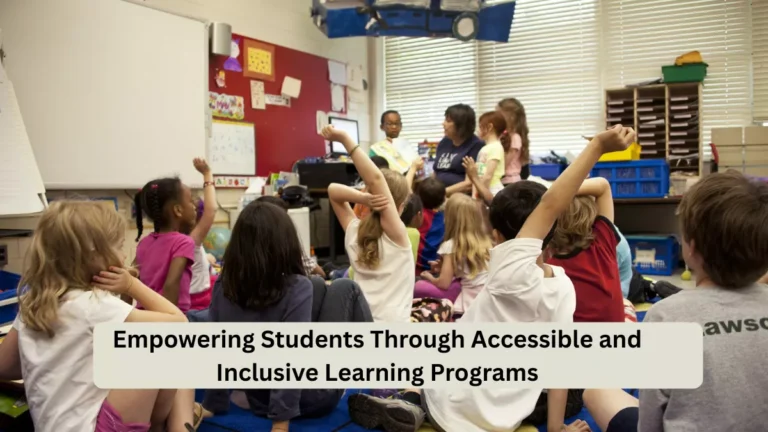
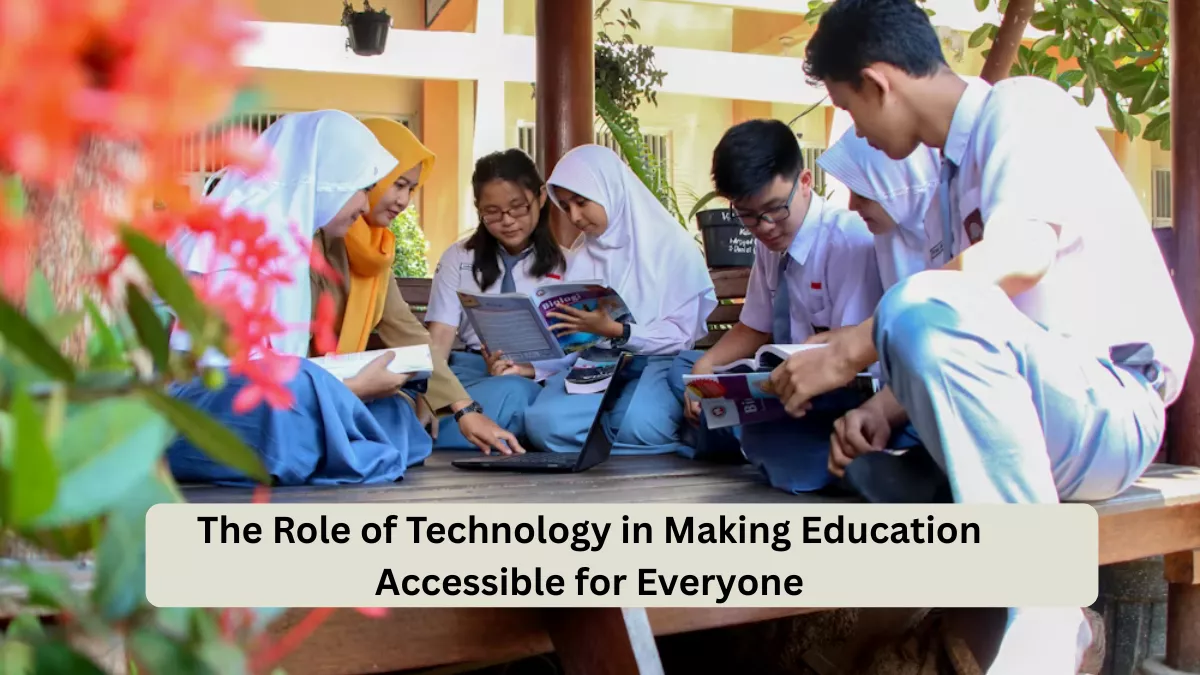
One of the most significant ways technology contributes to education is by bridging geographical divides. Rural communities and remote regions often struggle with limited access to schools, qualified teachers, and educational materials. Online learning platforms, video lectures, and digital classrooms have made it possible for students in these areas to receive the same quality education as their urban counterparts. For instance, interactive platforms enable students to participate in real-time discussions, ask questions, and receive feedback from teachers located thousands of miles away. This shift not only enhances knowledge acquisition but also fosters a sense of global connectedness among learners.
Additionally, technology allows for flexible learning schedules. Traditional classrooms operate on fixed hours, which can be challenging for students who work, care for family members, or face transportation issues. With asynchronous online courses, learners can access lessons at their convenience, enabling them to balance education with personal responsibilities. Mobile learning apps, in particular, provide educational content that can be accessed on smartphones, making learning continuous and portable. This flexibility empowers learners who might otherwise drop out or forgo educational opportunities due to time constraints.
Personalized Learning Through Technology
Every student has a unique learning style, pace, and interest. One of the most powerful aspects of technology in education is its ability to provide personalized learning experiences. Artificial intelligence and machine learning algorithms can analyze students’ progress, identify areas of weakness, and suggest targeted resources to address specific learning gaps. Adaptive learning software, for example, adjusts the difficulty of questions in real time, ensuring that students are neither bored by easy tasks nor overwhelmed by challenging material. Personalized learning enhances engagement, builds confidence, and increases the likelihood of academic success.
Moreover, technology enables educators to gather detailed data about students’ performance. Learning analytics can reveal patterns in behavior, participation, and comprehension, helping teachers make informed decisions about lesson plans and interventions. In classrooms where traditional one-size-fits-all approaches dominate, technology provides the tools necessary to tailor education to the individual, ensuring that no student is left behind.
Accessibility for Students with Disabilities
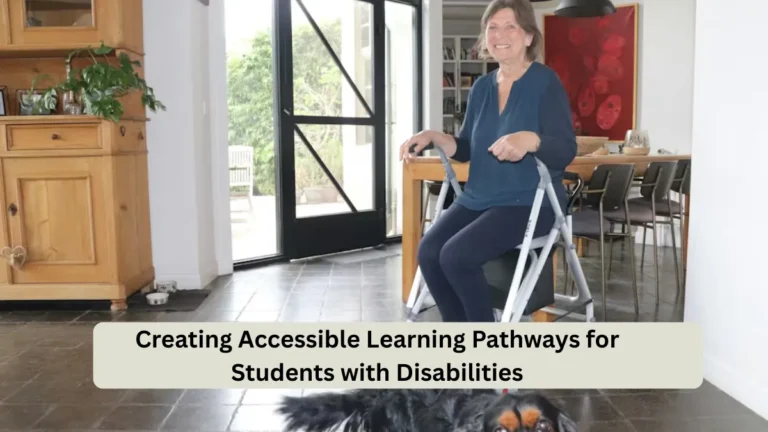
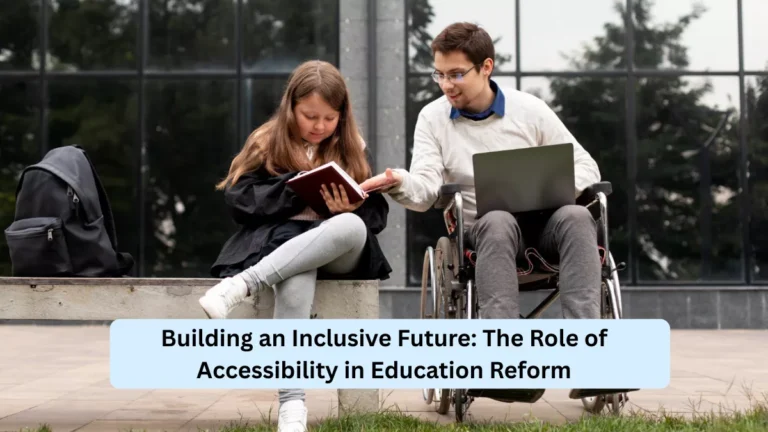
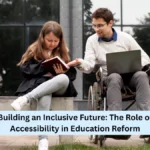
For students with disabilities, technology has been a game-changer. Assistive tools such as screen readers, voice-to-text applications, and captioning software make educational content accessible to learners with visual, auditory, or motor impairments. For students with learning disabilities, apps that break down complex concepts into manageable segments, use visual cues, or provide interactive exercises can significantly enhance comprehension. These innovations not only level the playing field but also foster inclusivity, allowing students to participate fully in academic life.
Technology also enables remote support for students who require specialized assistance. Teletherapy, virtual tutoring, and online mentoring programs provide continuous support without the need for physical travel. This ensures that students with disabilities can access consistent education and resources tailored to their needs, enhancing both learning outcomes and overall quality of life.
The Role of Open Educational Resources
Open Educational Resources (OER) are another technological innovation that promotes educational accessibility. These free, openly licensed materials include textbooks, videos, course modules, and interactive simulations. OER eliminates financial barriers, allowing students from low-income backgrounds to access high-quality learning materials without paying exorbitant fees. Teachers can also adapt and customize OER to meet the specific needs of their students, making education more relevant and engaging.
The rise of OER is complemented by massive open online courses (MOOCs), which provide structured learning experiences from prestigious institutions to learners worldwide. MOOCs enable students to earn certifications, enhance skills, or pursue professional development without the limitations of location, cost, or institutional admission requirements. This democratization of education empowers learners to take control of their educational journeys and develop skills that align with their career aspirations.
Enhancing Collaboration and Communication
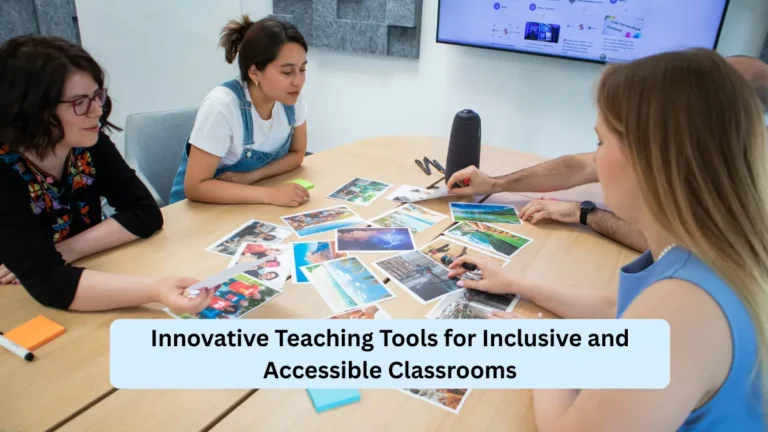
Technology also revolutionizes collaboration in education. Cloud-based platforms, discussion forums, and collaborative software allow students to work together seamlessly, regardless of physical distance. Group projects, peer reviews, and interactive exercises can be conducted virtually, encouraging teamwork and critical thinking. Teachers can also provide immediate feedback, monitor participation, and facilitate meaningful discussions that enrich the learning experience.
Furthermore, technology strengthens communication between educators, students, and parents. Notifications, progress tracking dashboards, and virtual parent-teacher meetings ensure that everyone involved in a student’s education is informed and engaged. This transparency fosters accountability and creates a supportive ecosystem that benefits student development.
Challenges and Considerations
While technology offers remarkable benefits, it is essential to acknowledge its limitations and challenges. Digital inequality remains a significant concern, as students in low-income regions may lack access to devices, reliable internet, or digital literacy skills. Ensuring equitable access requires strategic investment in infrastructure, affordable devices, and training programs for both educators and students. Without addressing these disparities, technology risks widening the gap it is meant to close.
Privacy and data security are also critical considerations. With the growing reliance on digital tools, safeguarding students’ personal information and academic data is paramount. Institutions must adopt robust cybersecurity measures, adhere to legal standards, and educate users about responsible technology usage. Ensuring safe, secure, and ethical use of educational technology builds trust and protects learners from potential harm.
The Future of Technology in Education
Looking ahead, technology will continue to shape the educational landscape in profound ways. Virtual reality (VR) and augmented reality (AR) have the potential to create immersive learning experiences, allowing students to explore historical events, scientific phenomena, or global cultures firsthand. Artificial intelligence will further refine personalized learning, making education more adaptive and efficient. Blockchain technology could revolutionize credentialing, providing secure, verifiable records of academic achievements. The possibilities are vast, and the focus must remain on leveraging these innovations to expand access, improve quality, and foster lifelong learning.
Policymakers, educators, and technology developers must collaborate to ensure that future advancements align with educational equity and inclusivity. Investing in teacher training, affordable technology solutions, and culturally relevant content will maximize the positive impact of these innovations. By placing learners at the center, technology can truly fulfill its promise of making education accessible for everyone, everywhere.
Conclusion
Technology has fundamentally transformed education, breaking down barriers and opening new opportunities for learners worldwide. From enabling remote access to personalizing learning experiences, supporting students with disabilities, and providing free educational resources, its impact is profound and far-reaching. However, challenges like digital inequality and data security must be addressed to ensure that these benefits are universally realized. By embracing technology thoughtfully and inclusively, societies can create a future where quality education is no longer a privilege but a right accessible to all.
FAQs
How does technology make education more accessible?
Technology enables online learning, personalized lessons, and assistive tools, ensuring education reaches students everywhere.
What are Open Educational Resources (OER)?
OER are free, openly licensed materials like textbooks and videos that reduce costs and increase access to learning.
Can students with disabilities benefit from technology in education?
Yes, tools like screen readers, voice-to-text, and adaptive apps make learning inclusive and accessible.
How does technology help rural or remote students?
Digital platforms provide lessons, lectures, and interactive resources to students who cannot attend traditional schools.
What challenges exist in using technology for education?
Challenges include digital inequality, limited access to devices, internet issues, and ensuring data privacy and security.
✨ You May Also Like ✨