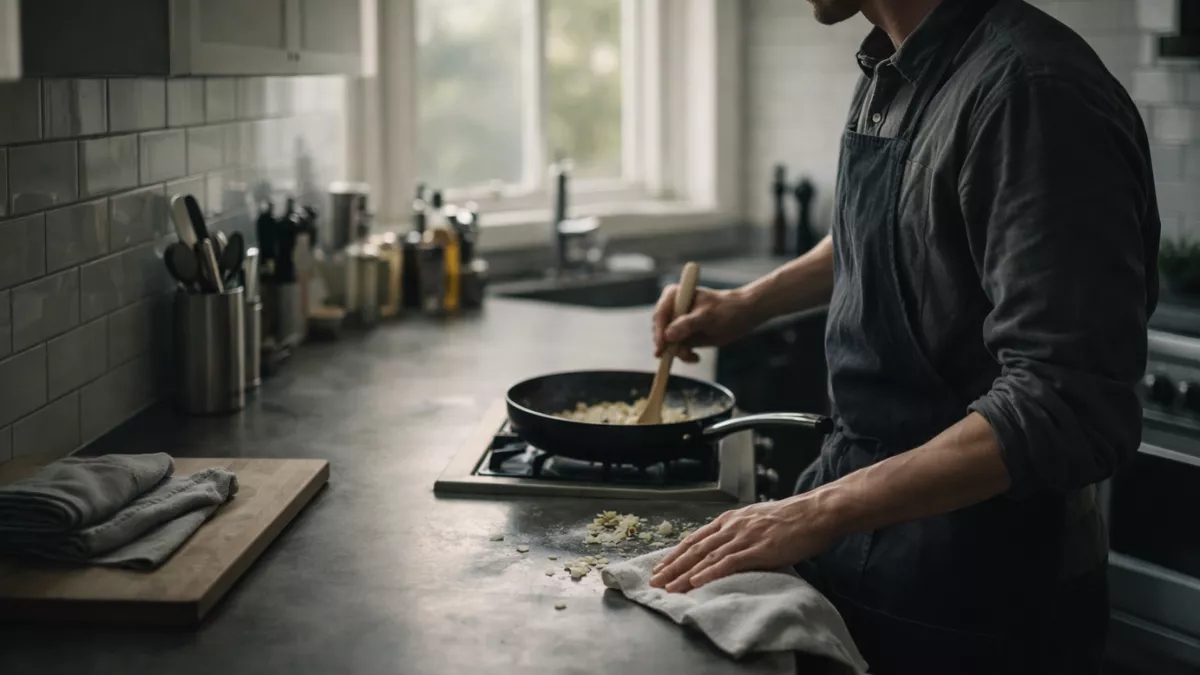
In everyday kitchens across the U.S., a small habit quietly reveals a lot about personality. Psychology suggests that people who clean as they cook are not just being neat; they are expressing deeper mental and emotional patterns. This kitchen habit reflects how individuals manage stress, time, and responsibility in daily life.
Rather than letting dishes pile up, they prefer order alongside action. Studies in behavioral psychology link this tendency to structured thinking, emotional regulation, and proactive problem-solving. For many Americans balancing busy schedules, this approach creates calm in the middle of chaos.
 Get $2,000 From IRS in February 2026- Direct Deposit, Eligibility, Payment Dates, and Steps to Receive
Understanding why people who clean as they cook behave this way offers insight into broader life habits, from work productivity to relationship dynamics. Below are eight distinctive traits psychology consistently associates with this behavior, showing how a simple cooking routine can mirror a powerful mindset.
1. Strong Sense of Personal Control
People who clean as they cook often display a strong internal locus of control. Psychology explains that they believe their actions directly influence outcomes. Instead of waiting for mess or stress to accumulate, they address it immediately. This mindset reduces feelings of overwhelm and increases confidence.
 Social Security Benefits Increase in 2026: What Beneficiaries Should Know
In the kitchen, wiping counters or rinsing tools creates a sense of order that reflects mental clarity. This trait often appears in other areas of life, such as meeting deadlines or managing finances. For these individuals, control is not about perfection but about staying ahead.
Among people who clean as they cook, this sense of control provides comfort and stability. It helps them feel capable, grounded, and prepared, even in fast-paced or uncertain situations.
 Federal Deposit Holds Add 2026: Why $2000 to $3000 Delays After Identity Reviews
2. High Emotional Regulation
Psychologists note that people who clean as they cook tend to regulate emotions effectively. Cooking can be stressful, especially when multitasking, yet cleaning along the way prevents frustration from building.
This habit reflects an ability to manage emotions before they escalate. By maintaining a clean space, they create a calmer environment that supports focus. Emotional regulation allows them to stay patient and composed under pressure. This trait often translates into healthier communication and fewer impulsive reactions.
 IRS Today Announced $2,000 Direct Deposit for All – February 2026 New Payment Schedule & Eligibility Guide
Among people who clean as they cook, emotional balance is a key driver of this behavior. They subconsciously use order as a tool to maintain inner calm while handling multiple demands at once.
3. Proactive Stress Management
Cleaning while cooking is a form of proactive stress reduction. Psychology shows that small, consistent actions lower cognitive load. Instead of facing a large mess at the end, these individuals break tasks into manageable steps.
 Social Security Payment Update: Millions May Qualify in 2026
This prevents mental fatigue and decision overload. For people who clean as they cook, stress is something to manage early, not something to endure later. This proactive approach often appears in work habits, health routines, and planning behaviors.
By addressing potential stressors immediately, they maintain energy and motivation. The kitchen becomes a training ground for resilience, reinforcing habits that support long-term mental well-being.
4. Preference for Structure and Order
A strong preference for structure is another trait linked to this habit. Psychology associates orderly environments with improved concentration and efficiency. People who clean as they cook thrive in systems where everything has a place.
This does not mean rigidity, but rather a desire for functional flow. Cleaning as they go keeps tools accessible and tasks organized. Among people who clean as they cook, structure reduces distractions and supports creativity.
They can focus on flavors and timing without visual clutter. This trait often extends beyond the kitchen into organized schedules, clear goals, and methodical problem-solving styles.
5. Efficient Time Management
Time efficiency is a defining characteristic of this group. Psychology suggests that people who combine tasks intelligently perceive time as a valuable resource. Cleaning while cooking saves time later and shortens recovery after meals. For people who clean as they cook, efficiency is about smart sequencing rather than rushing.
This habit reflects planning skills and foresight. They anticipate future effort and reduce it in advance. In daily life, this often shows up as punctuality, effective multitasking, and realistic scheduling. Their kitchens mirror their calendars: balanced, intentional, and streamlined.
6. Heightened Responsibility Awareness
Responsibility awareness plays a major role in this behavior. Psychology links cleaning as you cook with accountability for shared spaces. These individuals consider how their actions affect others. Leaving a clean kitchen benefits family members and reduces collective stress.
Among people who clean as they cook, responsibility is internalized rather than enforced. They do not wait to be reminded. This trait often aligns with reliability at work and follow-through in relationships. Cleaning while cooking becomes a quiet expression of respect, maturity, and consideration for the environment and the people around them.
7. Lower Tolerance for Mental Clutter
Mental clutter and physical clutter are closely connected in psychology. People who clean as they cook often have a low tolerance for visual chaos. A messy space can interrupt their thinking and reduce focus. By cleaning continuously, they protect mental clarity. This trait supports decision-making and creativity.
Among people who clean as they cook, clearing surfaces feels like clearing the mind. This habit may also explain why they prefer minimal distractions, organized workspaces, and clear communication. Reducing clutter helps them stay mentally agile and emotionally balanced.
8. Long-Term Thinking Mindset
Long-term thinking is a final distinctive trait. Psychology highlights that people who clean as they cook prioritize future comfort over immediate convenience. They accept small effort now to avoid larger effort later. This mindset reflects patience and foresight.
For people who clean as they cook, satisfaction comes from smooth endings, not rushed beginnings. This trait often appears in saving habits, career planning, and health choices. They value sustainability over shortcuts. Cleaning as they go symbolizes a broader life philosophy focused on steady progress and lasting ease.
Table: Traits Commonly Seen in People Who Clean as They Cook
| Trait | Psychological Meaning |
|---|---|
| Personal Control | Confidence in managing outcomes |
| Emotional Regulation | Calm under pressure |
| Stress Management | Preventive coping strategy |
| Structure Preference | Organized thinking |
| Time Efficiency | Smart task sequencing |
| Responsibility | Consideration for others |
| Low Clutter Tolerance | Clear mental focus |
| Long-Term Thinking | Future-oriented mindset |
Conclusion
Psychology makes it clear that people who clean as they cook are expressing more than cleanliness. This habit reflects emotional regulation, responsibility, efficiency, and forward-thinking behavior. In American households where time and stress are constant challenges, this small routine offers big mental benefits.
From reduced anxiety to improved focus, cleaning as you cook mirrors a mindset built on balance and intention. Recognizing these traits helps explain why this behavior feels natural to some and difficult to others. Ultimately, people who clean as they cook demonstrate how everyday habits quietly shape mental health, productivity, and overall quality of life.
FAQs
Is cleaning as you cook linked to anxiety?
Not necessarily; psychology often links it to stress prevention, not anxiety.
Do people who clean as they cook work better under pressure?
Yes, they often manage pressure through proactive organization.
Can this habit improve productivity outside the kitchen?
Psychology suggests it often transfers to work and daily routines.
Is this behavior learned or natural?
It can be both, shaped by personality traits and environment.
✨ You May Also Like ✨